


Commission progress and ANC stance
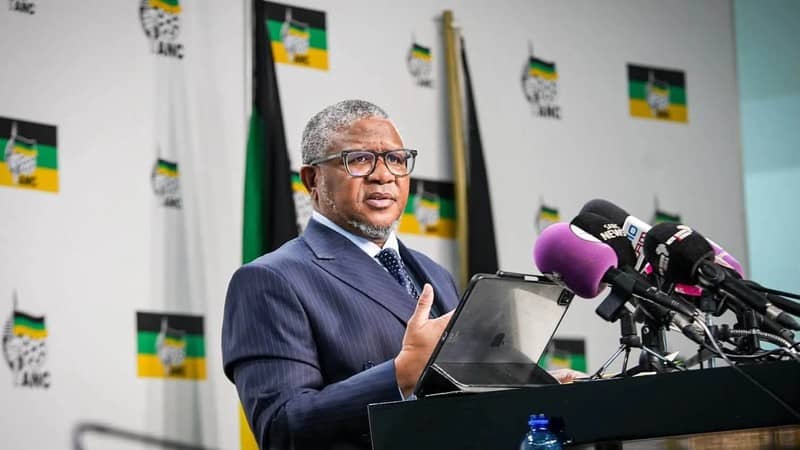
African National Congress (ANC) Secretary-General Fikile Mbalula has publicly endorsed the work being conducted by the Madlanga Commission of Inquiry. Speaking during a media briefing on Tuesday, Mbalula stated that the commission's operations are yielding tangible results.
According to Mbalula, the inquiry is addressing critical issues within the criminal justice system and must be permitted to finish its assigned mandate without interference. He noted that from the beginning of the process, the ANC had supported the establishment of the commission and maintains a belief that this work should not be undermined.
Addressing concerns regarding the nature of the investigation, Mbalula remarked: "What is encouraging is the fact that a commission that is established to do important work, you can see the results, you can touch it. It is not a witch-hunt but dealing with facts." He emphasized that the process involves an examination of reality rather than speculation.
Mbalula indicated that the final report from the Madlanga Commission is expected in November. However, he noted uncertainty regarding whether all matters will be concluded by that date, stating: "I don't know whether by November still, this commission will have done justice." Despite this caveat on timing, his primary message remains a call for patience and adherence to the inquiry's timeline.
The ANC leader highlighted that members of the party appearing before the commission must hold themselves accountable. He insisted that holding positions within the organization or serving as leaders does not provide immunity from scrutiny. In his view, accountability applies regardless of whether an individual holds a leadership role or is a standard member of the party.
Mbalula acknowledged the difficulties faced by those involved in reporting criminal activity to the commission. He stated that police officers who came forward with allegations did so despite significant risks associated with exposing alleged misconduct within their ranks. This acknowledgment suggests awareness of the potential dangers these whistleblowers face while pursuing justice through official channels.
The broader context involves challenges identified within the South African criminal justice system, which have been brought to light by the inquiry's findings. Mbalula suggested that these issues highlight systemic problems rather than isolated incidents involving specific individuals or groups alone.
Demilitarisation and policing reforms
A central component of Mbalula's public statements involves a demand for structural changes to how police forces operate in South Africa. He explicitly called for the implementation of policing reforms before the commission releases its final report. Among these specific demands is the issue of demilitarization.
Mbalula argued that certain aspects of current policing methods require alteration prior to the conclusion of the inquiry's work. His request implies a desire to see adjustments made to police tactics and equipment usage while investigations are still ongoing or immediately preceding their release.
The timing of these reforms is particularly notable given Mbalula’s comments about the report schedule. He suggested that addressing issues like demilitarization should happen before November, when the commission intends to present its findings. This sequencing indicates a preference for implementing changes while evidence and testimony are still fresh.
By linking reform requests directly to the inquiry’s timeline, Mbalula positions these demands as integral parts of ensuring fair outcomes from the investigation. He believes that allowing reforms to proceed alongside ongoing work could strengthen public confidence in both the commission and law enforcement agencies.
Risks faced by whistleblowers
During his briefing, attention was drawn to individuals who have reported alleged criminality within police ranks. Mbalula pointed out that these officers acted despite facing personal risks when coming forward with their concerns.
This observation serves as a reminder of the courage required from those willing to challenge established norms or report misconduct among colleagues. It also underscores potential vulnerabilities faced by law enforcement personnel who choose transparency over silence in matters involving serious allegations.
Broader implications for justice system
The issues emerging through the Madlanga inquiry are described as reflecting wider challenges affecting South Africa’s criminal justice infrastructure. Mbalula framed these developments not merely as internal party concerns but as part of a larger national conversation about accountability and reform.
His comments suggest that solutions proposed by the commission may need to address root causes rather than just symptoms of dysfunction within policing structures. This approach aligns with calls for comprehensive reviews of how justice is administered across different levels of government.