


Strait of Hormuz Triggers Paradigm Shift in Energy Security
The aftermath of the recent crisis at the Strait of Hormuz has initiated a fundamental change in how global energy security is conceptualized and prioritized by international stakeholders. According to Dr. Charles Ellinas, writing in an opinion piece published by the Cyprus Mail on September 22, 2026, the return of acute geopolitical risk to global energy markets is altering the strategic calculations that have long dominated energy policy.
Ellinas outlines a distinct transition in the primary objectives of energy supply chains. Historically, the dominant metric for success has been the ability to deliver energy resources with maximum efficiency and minimum cost. However, the events surrounding the Hormuz crisis have demonstrated that these economic metrics are no longer sufficient to guarantee national or regional stability. The central question facing policymakers is evolving from how to deliver energy as efficiently and cheaply as possible to how to ensure that energy continues to flow when normal sources, routes, or infrastructure are disrupted.
This shift indicates a move away from purely market-driven efficiency models toward resilience-focused strategies. The implication is that the reliability of supply lines has become more critical than the price point at which those supplies are delivered. This re-evaluation of priorities suggests that governments and energy corporations must now account for high-probability disruption scenarios in their long-term planning, a departure from previous eras where such risks were often treated as low-probability outliers.
Strategic Implications for the Mediterranean Region
The analysis provided by Ellinas specifically examines the geopolitics of the Mediterranean region within this new post-crisis context. The Strait of Hormuz, a critical chokepoint for global oil shipments, has served as the catalyst for re-evaluating energy dependencies in regions that were previously considered secondary to Middle Eastern supply routes.
The Mediterranean, which hosts significant natural gas reserves and complex geopolitical relationships between European, Middle Eastern, and North African nations, is now viewed through the lens of this new security paradigm. The disruption potential identified at Hormuz forces a reassessment of infrastructure investments and diplomatic engagements in the Mediterranean basin. Energy security in this region can no longer be decoupled from broader geopolitical stability assessments.
Ellinas suggests that the lessons learned from the Hormuz incident are being applied to understand vulnerabilities in other strategic corridors. The focus is now on diversifying routes and hardening infrastructure against physical or political interdiction. This perspective highlights the interconnectedness of global energy markets, where a crisis in one chokepoint immediately elevates the strategic importance of alternative regions like the Mediterranean.
Operationalizing New Security Priorities
The transition to ensuring continuous flow during disruptions requires concrete operational changes. Ellinas notes that this involves moving beyond theoretical risk assessments to practical contingencies. This includes stockpiling strategies, alternative routing agreements, and potentially increased state involvement in securing supply chains.
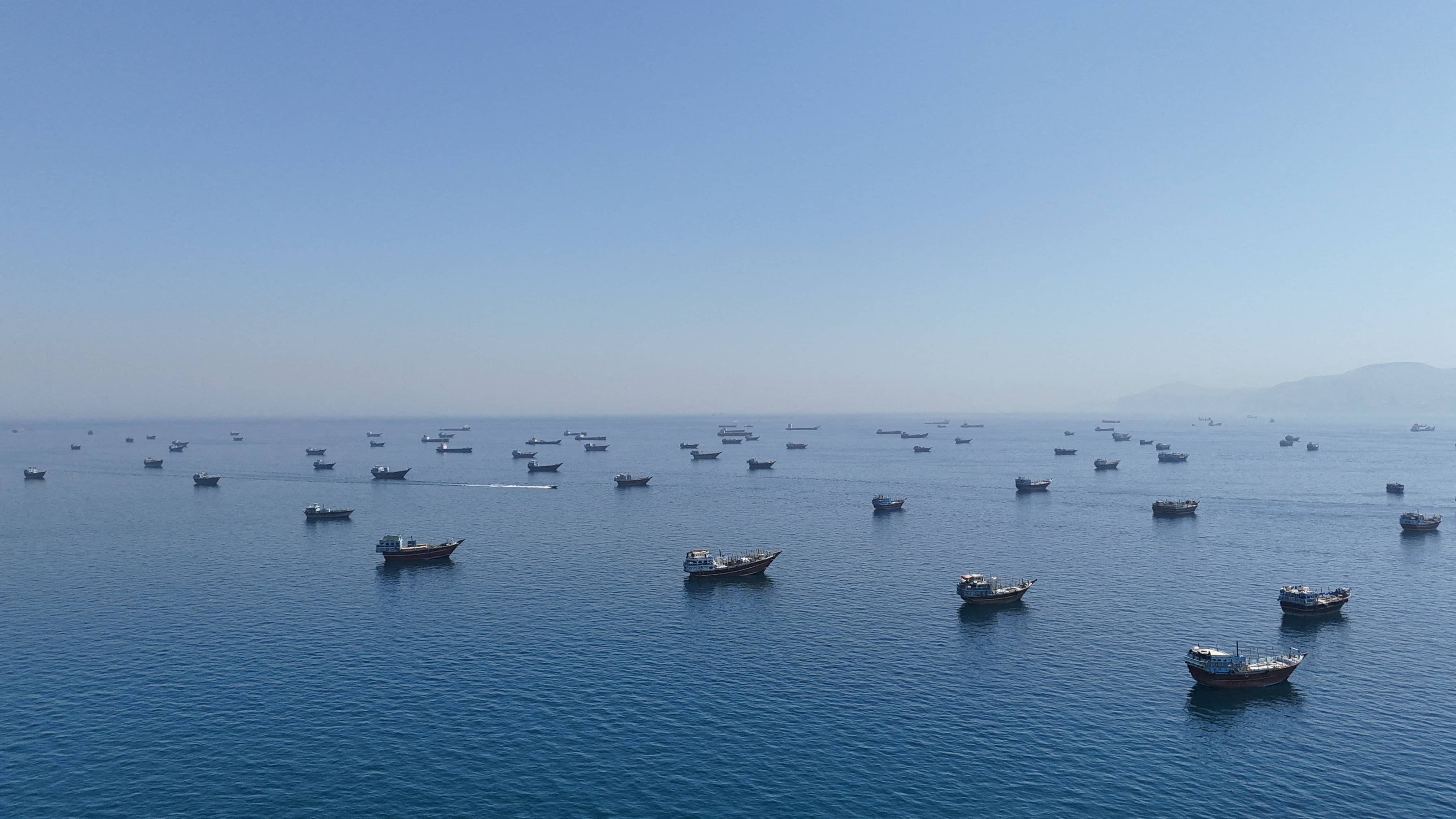
The opinion piece published on Tuesday, September 22, at 11:22, underscores the immediacy of these concerns. The reference to a file photo showing a drone view of vessels anchored in the Strait of Hormuz as seen from Musandam, Oman, serves as a visual anchor for the physical reality of these geopolitical tensions. The presence of such imagery in the reportage emphasizes the tangible nature of the risks now being factored into energy security doctrines.
As global markets adjust to this new reality, the Mediterranean region is poised to play a more central role in energy security strategies. The shift from efficiency to continuity means that countries and corporations with access to stable, albeit potentially more expensive or logistically complex, energy sources may gain strategic leverage. This reordering of priorities reflects a broader recognition that energy independence and secure access are paramount in an era of heightened geopolitical volatility.
Ellinas’s analysis does not offer specific policy prescriptions for individual nations but rather outlines the structural shift in thinking required to navigate the post-Hormuz landscape. The key takeaway is that the definition of security has expanded to include the resilience of the entire supply chain, making the Mediterranean a focal point for future energy diplomacy and infrastructure development.