

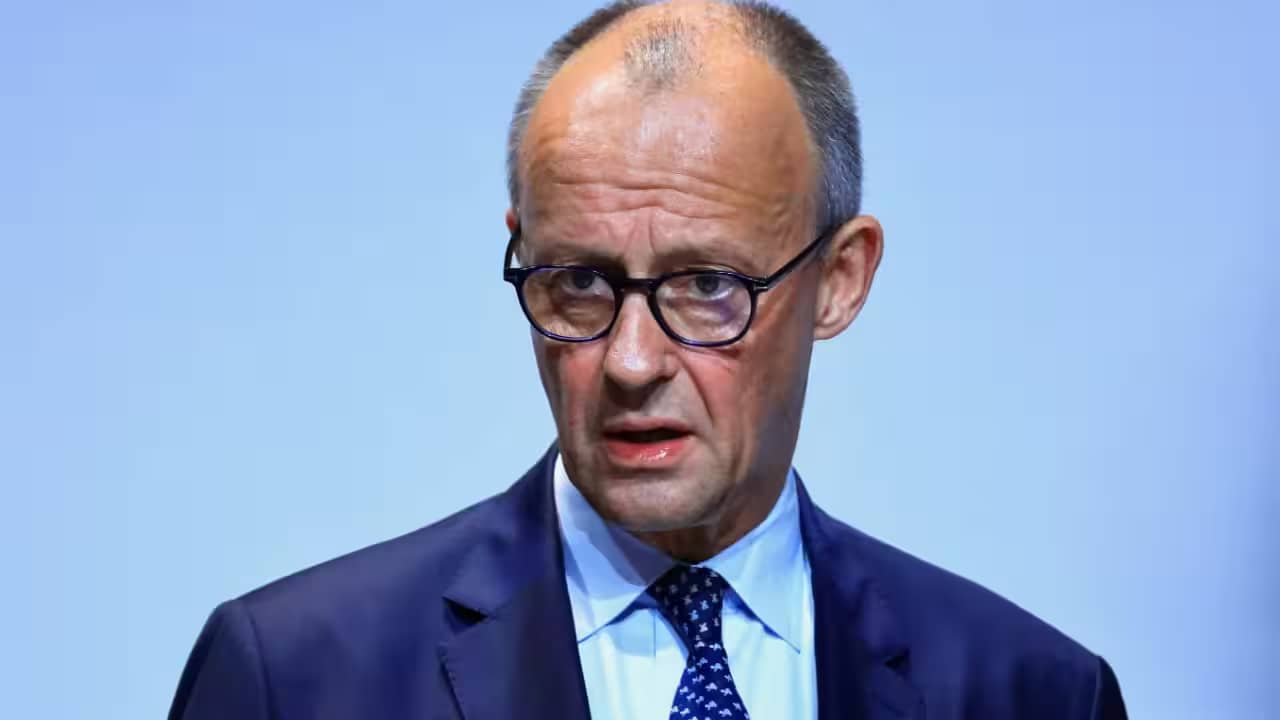

Proposal for Rules-Based Trade Alliance
German Chancellor Friedrich Merz proposed the creation of a global alliance focused on rules-based trade during an address at the 19th Asia-Pacific Conference of German Business in Seoul. The proposal includes the integration of the World Trade Organization (WTO) into this new framework.
Merz delivered the statement to an audience comprising more than 800 German companies gathered for the conference. His remarks were part of a week-long diplomatic tour across East Asia, which included scheduled stops in Singapore, Japan, and South Korea.
In each nation visited during this itinerary, Merz tailored his messaging to address specific regional concerns regarding trade imbalances and supply chain disruptions. He identified wars, great power competition, and the weaponization of economic interdependencies as primary drivers for these challenges.
Strategic Shift Toward India
The German Chancellor highlighted that facilitating ties in the Indo-Pacific region and building trusted partnerships is a key objective of his government. He specifically pointed to Germany's efforts to work with regional heavyweights, including India, to diversify supply chains.
Merz stated that the German government is actively engaged in reducing single-source dependencies and implementing "derisking" strategies. This approach aims to mitigate vulnerabilities in global logistics and manufacturing networks.
Merz asserted that when supply chains are utilized as political pawns or when access to key technologies is obstructed, it jeopardizes the growth, prosperity, and security of entire regions. He emphasized that maintaining open and fair trade routes is essential for regional stability.
Balancing Economic Interests
Germany is currently attempting to maintain a strategic balance by finding alternative markets and manufacturing bases outside of China without completely decoupling from Beijing. This dual approach seeks to preserve economic ties while addressing security concerns.
The urgency of this strategy has been heightened by Russia's war against Ukraine. Merz noted that Beijing is seen as helping Moscow evade Western sanctions and sustain its war machinery, thereby complicating Germany's economic relationships in the region.
Additionally, growing competition from China in traditionally German-dominated sectors, particularly automobiles and electric vehicles, has led Berlin to double down on the demand for fair and balanced trade. The Chancellor cited Europe's recent efforts to bolster free trade, including a recent trade agreement with India, as part of this broader strategy.