

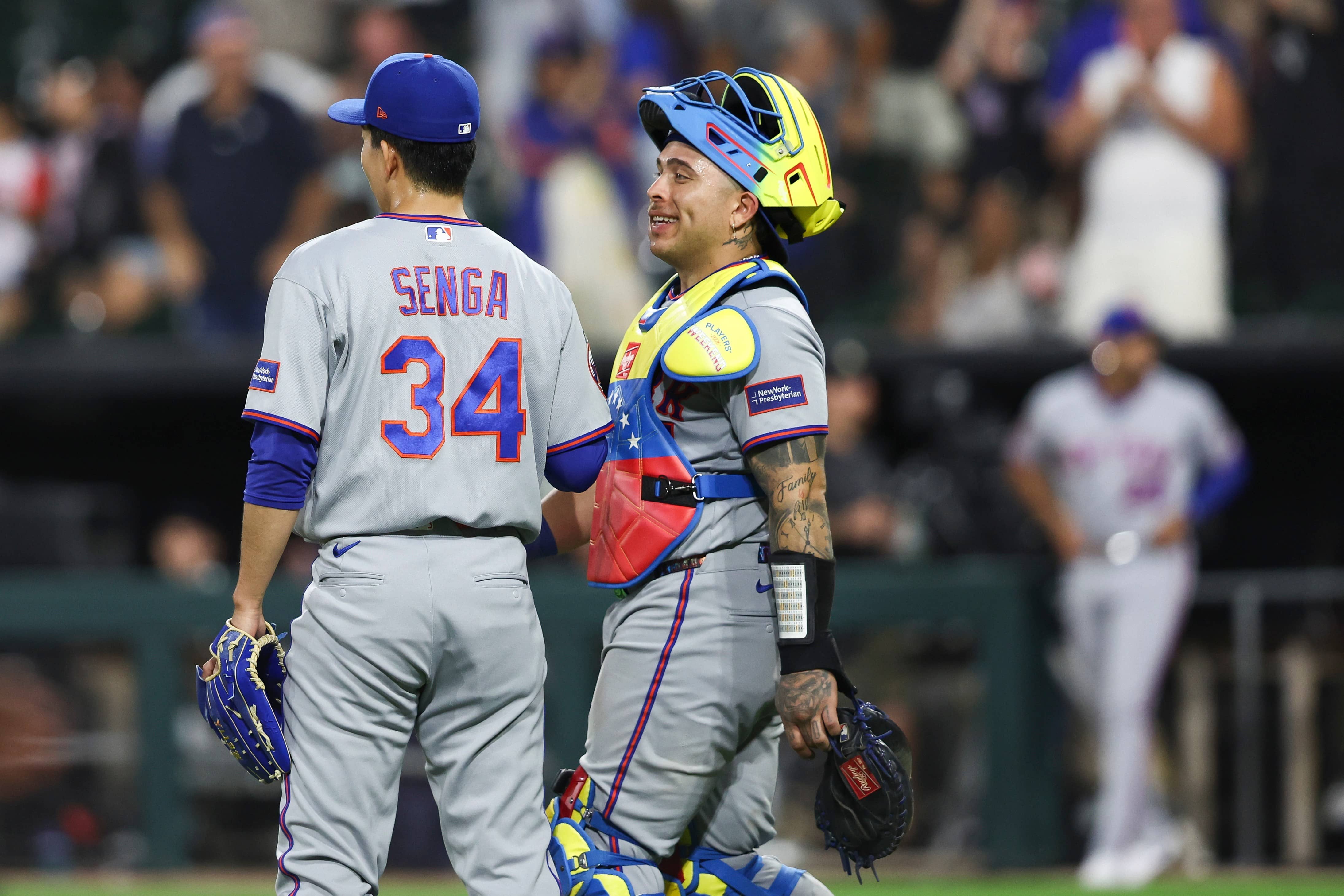

Mets' Mid-Season Pivot Unlocks Catcher's Defensive Potential
The New York Mets organization has pinpointed a specific tactical shift as the primary catalyst behind the significant improvements observed in catcher Francisco Alvarez’s defensive capabilities. This adjustment, implemented by the coaching staff, has been lauded as having "changed the game for him," fundamentally altering his effectiveness behind the plate during the latter portion of the 2026 season.
The context for this strategic evaluation emerged from a challenging season where the Mets’ playoff aspirations were effectively eliminated by June. With the immediate pressure of postseason contention lifted, the team’s focus strategically shifted toward developing younger players and refining specific skill sets. This environment provided a crucial opportunity for experimentation and growth during mid- and late-season games that carried less immediate competitive weight. In this developmental phase, contributions from key personnel, including coaches Zac Thornton, Jared Young, and Nate Lavender, gained increased importance in the team’s broader long-term strategy.
Organizational Focus on Emerging Talent
The decision to pivot towards player development after June was a deliberate move to maximize the remaining schedule. Rather than solely chasing wins, the organization prioritized individual growth and the integration of emerging talent. This approach allowed players like Alvarez to concentrate on technical adjustments and tactical refinements without the intense scrutiny typically associated with high-stakes games. The coaching staff, including the aforementioned personnel, worked closely with Alvarez to identify areas for improvement and implement the necessary changes, fostering an environment where growth was paramount.
Statistical Gains Affirm Tactical Success
The organization’s assessment of Alvarez’s progress is robustly supported by statistical data, particularly through advanced defensive metrics. These numbers provide tangible evidence of the impact of the tactical shift on both Alvarez’s individual performance and the collective output of the Mets’ catching unit.
Catching Unit Rises in Fielding Run Value
When evaluating the New York Mets’ catchers using Fielding Run Value—a comprehensive metric designed to quantify a player’s defensive contribution relative to an average major league catcher—the group saw measurable and significant gains following Alvarez’s return to the active roster. This metric accounts for various defensive actions, including pitch framing, blocking, and preventing stolen bases, providing a holistic view of a catcher's impact.
Prior to Alvarez’s reintegration into the lineup, the Mets’ catchers were ranked sixth in the majors according to this critical metric. Following his return and the implementation of the tactical adjustments, the team climbed to fourth place in the same category. This upward movement signifies a tangible improvement in the collective defensive output of the entire catching position, with Alvarez cited as a central figure in driving that positive trajectory. His enhanced performance directly contributed to the unit's overall efficiency and value behind the plate.
League-Leading Efforts in Controlling the Running Game
Beyond individual metrics, the Mets’ overall pitching and catching coordination has demonstrated marked improvement in preventing base runners from advancing. For the 2026 season, the team recorded an impressive caught-stealing rate of 28 percent. This figure is particularly noteworthy as it ranks third among all teams in Major League Baseball, highlighting an exceptionally effective strategy in controlling the running game across the league.
The high ranking in caught-stealing percentage is attributed to the enhanced synergy between the pitching staff and the catching unit, with Alvarez’s development playing a key role in this success. The tactical shift mentioned by the Mets appears to have specifically addressed previous vulnerabilities in crucial areas such as framing pitches effectively and executing quick, accurate throws to catch potential base thieves. This concerted effort has resulted in a more cohesive and formidable defensive front, significantly limiting opponents' ability to generate offense through stolen bases.
Strategic Adjustments Pave Way for Future Roster Planning
The timing of these significant defensive improvements coincides precisely with a period of strategic transition for the franchise. With the team eliminated from playoff contention by June, the coaching staff was afforded the invaluable opportunity to experiment with and refine tactical approaches without the immediate, intense pressure of win-loss outcomes. This environment fostered a focus on what team reports termed a "quieter variety" of victories, where individual player growth and skill refinement took precedence over daily game results.
The Mechanics of a "Game-Changing" Shift
While the specific details of the tactical shift remain proprietary, its impact suggests a multifaceted approach to Alvarez's defensive mechanics. Such adjustments in baseball often involve refining a catcher's receiving stance for better pitch framing, optimizing transfer times for throws to bases, improving footwork around the plate, and enhancing communication with pitchers. The observed improvements in Fielding Run Value and the caught-stealing rate strongly indicate that these adjustments successfully targeted and rectified previous inefficiencies, transforming Alvarez into a more consistent and impactful defensive presence. The dedicated work by coaches Zac Thornton, Jared Young, and Nate Lavender during this phase was instrumental in facilitating these structural changes that have since benefited the entire catching corps.
Long-Term Implications for Mets' Defensive Identity
The success of the tactical shift regarding Alvarez’s defense is poised to significantly influence future roster decisions and player development paths within the organization. By unlocking defensive potential that was previously underutilized, the Mets have added a valuable and reliable dimension to their roster. The measurable improvement from sixth to fourth in Fielding Run Value for catchers suggests that the team’s targeted investment in this critical area is yielding substantial returns.
As the team looks ahead, the continued emphasis on controlling the running game will remain a critical component of their defensive strategy. With a caught-stealing rate ranking third in the majors, the Mets have established a clear defensive identity that relies heavily on the precise execution of their catching staff. The specific changes made to Alvarez’s approach serve as a compelling case study for how targeted tactical adjustments, combined with dedicated coaching and a supportive developmental environment, can profoundly enhance individual performance within a larger team framework, ultimately contributing to the team's long-term competitive aspirations.