

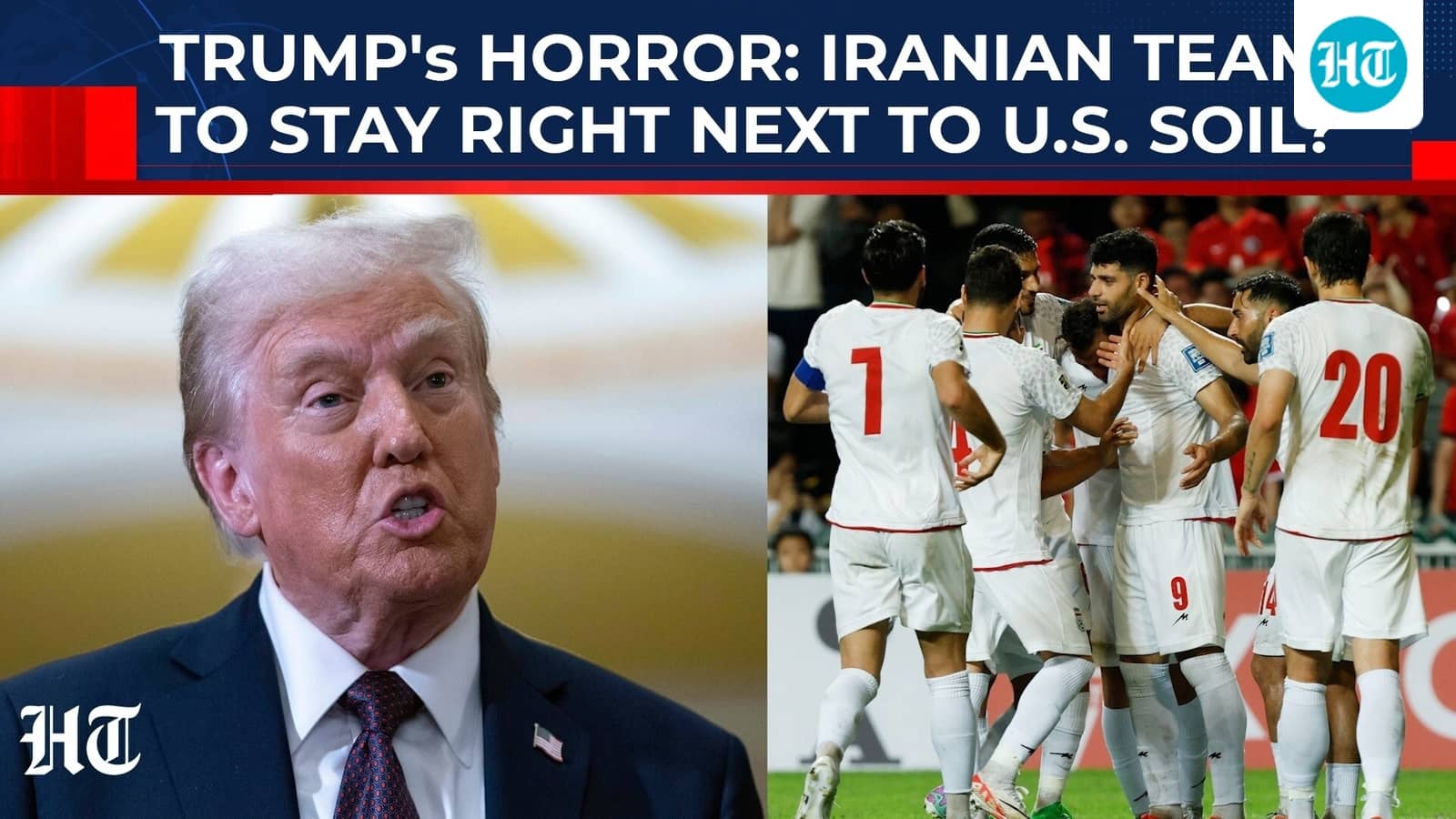

Mexico Extends World Cup Accommodation Offer to Iran
Mexico's President, Claudia Sheinbaum, has confirmed that Iran's national football team may be permitted to stay overnight in Tijuana during the 2026 FIFA World Cup. This offer comes after reports indicated that the United States had declined to host the Iranian team between their matches scheduled to take place on U.S. soil.
President Sheinbaum, speaking on the matter, stated that Mexico had "no problem at all" with the Iranian team utilizing Mexican territory for accommodation while traveling for their games in the United States. The confirmation highlights a developing situation that intertwines international sports with geopolitical considerations ahead of the global tournament.
The 2026 FIFA World Cup: A Tri-National Hosting
The 2026 FIFA World Cup is set to be a unique event, co-hosted by three North American nations: the United States, Mexico, and Canada. This expanded format will feature 48 teams competing across multiple cities in all three countries. The logistical complexities of such a widespread tournament mean that teams will frequently travel between host nations for their group stage and knockout matches.
Under this co-hosting arrangement, teams are expected to move across national borders, necessitating streamlined travel and accommodation plans. The reported refusal by the United States to host the Iranian team for overnight stays between matches, and Mexico's subsequent offer, introduces a diplomatic dimension to these logistical preparations.
Geopolitical Context: U.S.-Iran Relations
The situation unfolds against a backdrop of long-standing and often strained relations between the United States and Iran. The two nations have experienced significant geopolitical tensions for decades, marked by disagreements on various international issues, economic sanctions, and a lack of formal diplomatic ties since 1980.
These tensions have periodically influenced interactions in various international forums, including sports. The reported decision regarding the Iranian football team's accommodation during the World Cup is seen by some observers as a reflection of the broader diplomatic landscape between Washington D.C. and Tehran.
Politics and Global Sports: A Recurring Discussion
The intersection of politics and global sporting events is a recurring theme in international relations. Major tournaments like the FIFA World Cup often serve as platforms where diplomatic realities, national policies, and international sentiments can become visible. While international sports organizations typically advocate for the separation of sports and politics, the practicalities of hosting events involving numerous nations with diverse political relationships frequently challenge this ideal.
Past global sporting events have seen instances where political considerations influenced participation, hosting decisions, or interactions between teams and host nations. The current situation involving the Iranian team and the 2026 World Cup further contributes to this ongoing debate about the extent to which geopolitical factors can or should impact international sporting competitions.
Logistical and Diplomatic Considerations for the World Cup
The offer from Mexico to host the Iranian team raises several practical and diplomatic considerations for the upcoming World Cup. For teams traveling between the United States and Mexico, visa requirements, security protocols, and customs procedures will need careful coordination among the co-hosting nations and FIFA.
The ability of a national team to secure appropriate accommodation and travel arrangements is fundamental to their participation in a major tournament. The reported developments highlight the intricate diplomatic channels and agreements that underpin such large-scale international events, particularly when involving nations with complex bilateral relationships. The situation underscores the broader questions about diplomacy, visas, and geopolitics that can influence the operational aspects of a global football tournament even before its commencement.