

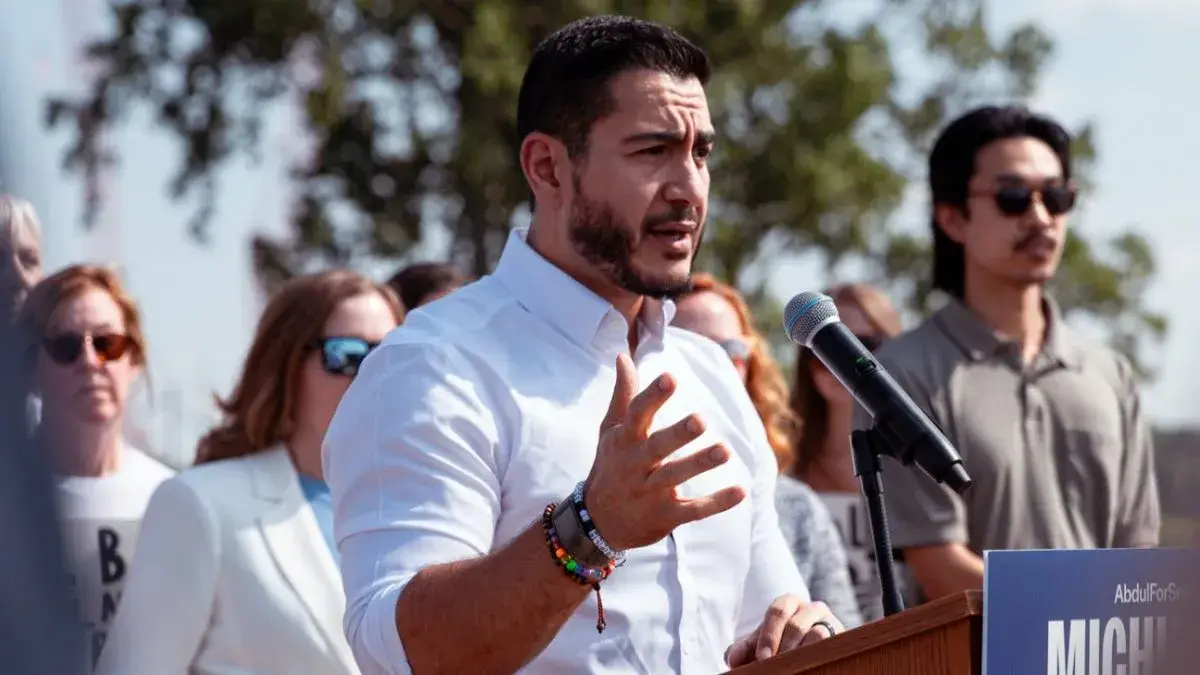

El-Sayed Defeats Stevens in Michigan Primary
Abdul El-Sayed has secured the Democratic nomination for the United States Senate in Michigan, defeating Representative Haley Stevens in a closely watched primary election. The victory, reported by Politico, is seen as a significant win for the progressive wing of the Democratic Party, signaling a potential shift in the party's direction within the state.
El-Sayed, a 41-year-old Egyptian-American doctor and former public health official, successfully challenged and defeated the establishment-backed four-term Congresswoman, Haley Stevens. His success in the primary has positioned him as a prominent new face of national progressive politics, according to extensive reporting on the election results. This outcome underscores a growing appetite among Democratic primary voters for candidates who align with the party's more progressive ideals, even when facing well-established incumbents.
A Progressive's Ascent in Michigan Politics
The primary contest between El-Sayed and Stevens was framed by many political analysts as a battle for the soul of the Michigan Democratic Party. Stevens, with her experience in Congress and traditional party backing, represented a more centrist approach, while El-Sayed championed a platform rooted in progressive policies. His ability to mobilize voters and overcome the inherent advantages of an incumbent highlights the strength of his campaign and the resonance of his message among a significant segment of the Democratic electorate.
El-Sayed's victory is not merely a win for an individual candidate but is interpreted as a broader endorsement of the progressive movement within the Democratic Party. This outcome could embolden other progressive challengers in future elections, both in Michigan and across the nation, by demonstrating the viability of campaigning on a distinctly progressive platform against more moderate, establishment-favored candidates.
General Election Battle for Senate Seat
Following his primary triumph, Abdul El-Sayed will now face Republican Mike Rogers in the general election scheduled for November. This contest will be a pivotal race, determining who represents Michigan in the U.S. Senate and potentially influencing the balance of power in Washington. The election is expected to be highly competitive, drawing national attention due to Michigan's status as a key swing state and the distinct political profiles of both candidates.
Mike Rogers, a former U.S. Representative and intelligence official, represents a more traditional Republican stance. The general election will therefore present a clear ideological contrast for Michigan voters, pitting El-Sayed's progressive vision against Rogers' conservative platform. This dynamic is set to generate considerable debate on issues ranging from healthcare and economic policy to environmental regulations and social justice.
Potential for a Historic First
Beyond the immediate political implications, El-Sayed's candidacy carries significant historical weight. If elected, Abdul El-Sayed could become the first Muslim U.S. Senator in history. This potential milestone has drawn considerable attention to his campaign, highlighting the increasing diversity within American political representation.
The prospect of El-Sayed breaking this barrier adds another layer of significance to the November general election. His potential election would not only mark a personal achievement but also represent a moment of broader societal progress, reflecting the evolving demographics and values of the American electorate. This aspect of his candidacy is frequently highlighted in media coverage, underscoring the broader implications of his possible election for representation and inclusion in national politics.
Profile of the Nominee
Abdul El-Sayed is identified as an Egyptian-American doctor with a substantial background in public health. His professional history includes serving as a former public health official, a detail frequently highlighted in coverage of his campaign and qualifications. This background informs his policy positions, particularly on issues related to healthcare access, environmental health, and community well-being.
His identity as an Egyptian-American also brings a unique perspective to the Senate race, reflecting the diverse cultural fabric of Michigan and the nation. The primary election results indicate strong support for El-Sayed within the progressive faction of the Democratic Party, a testament to his ability to connect with voters who prioritize systemic change and social equity. This alignment with the progressive base has been noted as a key factor in his victory over Stevens, who, despite her incumbency, was unable to overcome the groundswell of support for El-Sayed's more left-leaning agenda and his distinct personal and professional narrative.