

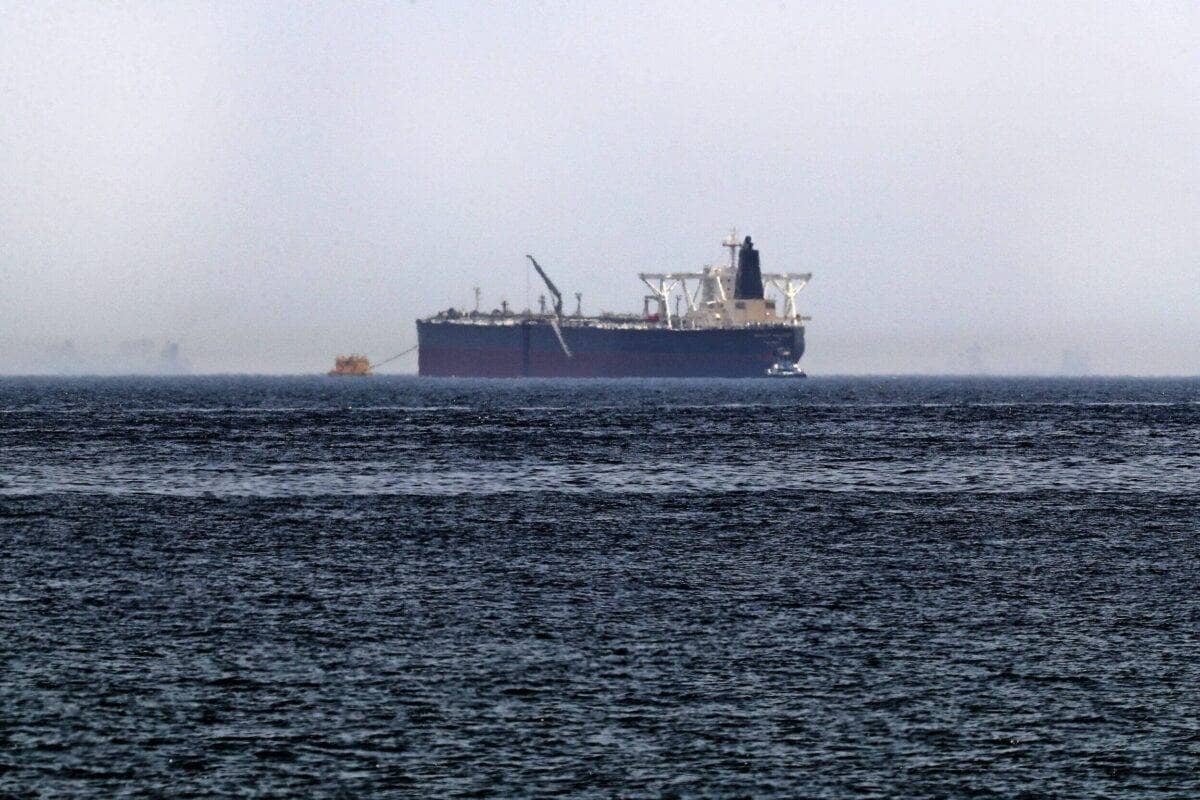

For more than a century, geopolitical influence in the Middle East has been defined by oil reserves, natural gas resources and the strategic waterways that connect them to global markets. Pipelines, shipping lanes and export terminals have shaped alliances, driven conflicts and determined the economic fortunes of states across the region.
\n\nThe Shift Toward Intermittent Renewable Generation
\nYet the global energy transition is quietly introducing a new strategic variable that could redefine regional power: energy storage. The rapid expansion of renewable energy is transforming the fundamentals of energy security in ways distinct from previous hydrocarbon eras.
\n\nThe Necessity of Storage for Solar and Wind
\nUnlike hydrocarbons, electricity generated from solar and wind sources cannot always be consumed when it is produced. The nature of these power generation methods means that output fluctuates based on weather conditions and time of day.
\n\nSolar and wind generation are inherently intermittent, creating a growing need for technologies capable of balancing supply and demand. This technical reality introduces energy storage as the critical missing link between renewable production and reliable consumption.
\n\nEnergy Storage Technologies as Strategic Assets
\nThe expansion of renewable energy sources like solar and wind necessitates energy storage solutions due to their intermittent nature. As these resources become central to global power grids, the ability to store electricity becomes a prerequisite for grid stability rather than an optional upgrade.
\n\nCrucial Role in Balancing Supply
\nEnergy storage technologies are becoming crucial for balancing electricity supply and demand. The transition requires infrastructure that can capture excess generation during periods of high production, such as sunny days or calm winds, and release it when conditions change.
\n\nRedefining Regional Power Dynamics Through Battery Control
\nThe global energy transition is introducing energy storage as a new strategic variable that could reshape regional power dynamics. Nations possessing the resources to manufacture batteries or secure critical minerals required for these technologies may gain leverage comparable to historical oil producers.
\n\nImplications for Middle Eastern States
\nThe question of who will control the batteries in the region mirrors past questions regarding who controlled the wells and pipelines. The geopolitical stakes involve not just energy production, but the entire supply chain required to store electricity effectively.
\n\nThis shift suggests that future alliances may be driven by access to battery manufacturing capabilities or mineral reserves rather than solely hydrocarbon deposits. States across the region are now evaluating their positions within this new framework of energy security.
\n\nHistorical Precedents and Future Trajectories
\nPipelines, shipping lanes and export terminals have shaped alliances, driven conflicts and determined the economic fortunes of states across the region for decades. The current transition suggests that a similar pattern may emerge around battery supply chains.
\n\nThe Evolution of Strategic Variables
\nFor more than a century, geopolitical influence in the Middle East has been defined by oil reserves, natural gas resources and the strategic waterways that connect them to global markets. The introduction of energy storage represents a departure from this established paradigm.
\n\nThe Mechanics of Energy Security Transformation
\nUnlike hydrocarbons, electricity generated from solar and wind sources cannot always be consumed when it is produced. This fundamental difference in the nature of the commodity alters how nations plan their long-term energy strategies.
\n\nTech-Driven Geopolitical Realignment
\nSolar and wind generation are inherently intermittent, creating a growing need for technologies capable of balancing supply and demand. The ability to manage this intermittency through storage becomes the new metric for evaluating national energy resilience.
\n\nThe rapid expansion of renewable energy is transforming the fundamentals of energy security in ways distinct from previous hydrocarbon eras. Nations that fail to integrate storage solutions into their grids may find themselves dependent on external sources, altering traditional power balances.
\n\nManufacturing and Supply Chain Considerations
\nThe expansion of renewable energy sources like solar and wind necessitates energy storage solutions due to their intermittent nature. The industrial capacity required to build these systems becomes a focal point for international competition.
\n\nCritical Mineral Dependencies
\nEnergy storage technologies are becoming crucial for balancing electricity supply and demand. Access to the raw materials needed for battery production, including lithium, cobalt, and nickel, introduces new dependencies that states must manage carefully.
\n\nThe Future of Regional Alliances
\nYet the global energy transition is quietly introducing a new strategic variable that could redefine regional power: energy storage. The implications extend beyond domestic consumption to include export capabilities and trade relationships.
\n\nNew Forms of Economic Leverage
\nThe geopolitics of energy storage now asks who will control the batteries of the Middle East. This inquiry parallels historical questions about oil dominance but focuses on a technology that is still in its early stages of widespread deployment.
\n\nFor more than a century, geopolitical influence in the Middle East has been defined by oil reserves, natural gas resources and the strategic waterways that connect them to global markets. Pipelines, shipping lanes and export terminals have shaped alliances, driven conflicts and determined the economic fortunes of states across the region.
\n\nYet the global energy transition is quietly introducing a new strategic variable that could redefine regional power: energy storage. The rapid expansion of renewable energy is transforming the fundamentals of energy security.
\n\nUnlike hydrocarbons, electricity generated from solar and wind sources cannot always be consumed when it is produced. Solar and wind generation are inherently intermittent, creating a growing need for technologies capable of balancing supply and demand.
\n\nThe Strategic Imperative
\nThe expansion of renewable energy sources like solar and wind necessitates energy storage solutions due to their intermittent nature. Energy storage technologies are becoming crucial for balancing electricity supply and demand as these resources become more prevalent in national grids.
\n\nYet the global energy transition is quietly introducing a new strategic variable that could redefine regional power: energy storage. The rapid expansion of renewable energy is transforming the fundamentals of energy security, shifting focus from extraction to management and distribution technologies.
",