


Recognition in Monthly Radio Address
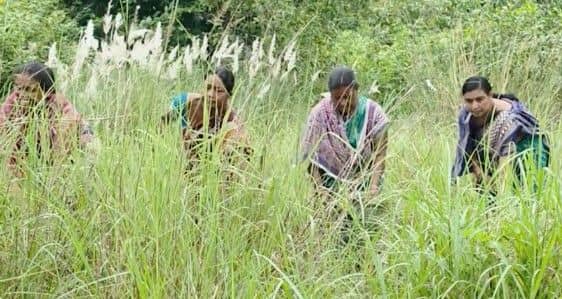
Bhubaneswar, Aug 30 (SocialNews.XYZ) — Prime Minister Narendra Modi lauded Odisha's Maithili Bhue for her dedicated forest conservation efforts in the Debrigarh region of Bargada district during his monthly radio address 'Mann Ki Baat' on Sunday. The Prime Minister used the platform to highlight individuals who contribute to societal change through consistent, localized action, bringing their stories of impactful work to a national audience.
In his broadcast, PM Modi noted that there are many people in society who transform the lives of countless others through small but dedicated efforts. He specifically pointed to Maithili Bhue as an example of such an individual whose work has had a tangible impact on her local environment and community. The Prime Minister's recognition on such a widely heard platform underscores the national importance of grassroots initiatives and the significant role played by local communities in environmental stewardship across India.
Highlighting Grassroots Conservation
The Prime Minister's decision to feature Maithili Bhue's story in 'Mann Ki Baat' serves as a powerful endorsement of community-led conservation models. By spotlighting her efforts, PM Modi not only celebrated her personal dedication but also drew attention to the broader movement of individuals and groups working tirelessly at the local level to protect India's natural heritage. This national recognition aims to inspire similar initiatives and foster a greater sense of responsibility towards environmental preservation among citizens.
From Resource Gatherer to Conservation Advocate
Maithili Bhue is from the village of Dhodrokusum, nestled within the ecologically significant Debrigarh region of Bargada district, Odisha. Her life, like that of many in forest-adjacent communities, was intrinsically linked to the forest. According to PM Modi, until a few years ago, she would visit the forest almost daily to meet the essential needs of her family and those of numerous others in the area. Her visits were primarily for gathering vital natural resources, a practice deeply embedded in the local way of life.
A Livelihood Dependent on Forest Produce
PM Modi detailed that Maithili Bhue ji's routine involved frequenting the forest to gather a variety of produce crucial for sustenance and local economy. This included collecting firewood, which is often the primary source of fuel for cooking and heating in rural households. She also gathered Mahua flowers, a significant forest product used for food, traditional beverages, and medicinal purposes, and Kendu leaves, which are widely utilized in the local bidi (traditional cigarette) industry, providing a source of income for many. Additionally, she harvested bamboo shoots and other forest produce, which serve various purposes from food to construction materials and handicrafts.
The forest, therefore, was not merely a natural landscape but a critical resource hub, directly supporting the daily existence and economic needs of Maithili Bhue's family and many others in Dhodrokusum village and the surrounding Debrigarh region. This deep reliance highlights the complex relationship between forest communities and their environment, where traditional practices often involve careful, albeit extractive, use of resources.
A Transformative Shift with Eco-Tourism
However, her relationship with the forest underwent a significant change after she became associated with Debrigarh Eco-Tourism. PM Modi stated that this association marked a profound shift in her interaction with the forest, steering it towards a new, more sustainable direction. The transition moved her role from one primarily focused on extraction, where she gathered resources for immediate needs, to one of active conservation. This change aligned her daily activities with ecological preservation, transforming her into a steward of the very environment she once relied upon for sustenance.
Implications for Local Eco-Tourism and Community Engagement
The mention of Debrigarh Eco-Tourism highlights the growing integration of local community members into sustainable tourism frameworks in Odisha. Maithili Bhue’s journey exemplifies how well-structured eco-tourism initiatives can empower indigenous populations, not only by offering alternative livelihoods but also by fostering a sense of ownership and responsibility towards environmental protection. By associating with the eco-tourism initiative, Maithili Bhue’s daily routine shifted from harvesting forest produce to actively participating in the protection and management of the forest ecosystem, demonstrating a successful model of community-based conservation.
Empowering Local Stewards
This paradigm shift underscores the potential of eco-tourism to create a symbiotic relationship between human communities and natural habitats. Instead of viewing local populations as potential threats to forest resources due to their dependence, initiatives like Debrigarh Eco-Tourism integrate them as crucial partners in conservation. Maithili Bhue’s story illustrates that when communities are given a stake in conservation efforts, they often become the most effective protectors of their local environment, leveraging their intimate knowledge of the forest for its long-term health.
PM Modi’s address served to validate this shift, framing it as a model for how individual dedication, supported by community initiatives, can influence broader environmental outcomes. The Prime Minister’s comments underscored the importance of such local initiatives in maintaining ecological balance while simultaneously supporting community livelihoods through sustainable means. Her recognition by the Prime Minister elevates the profile of Debrigarh Eco-Tourism and similar efforts, signaling a national commitment to fostering responsible tourism that benefits both nature and people.