Full story
Strategic Alignment During BRICS Engagements
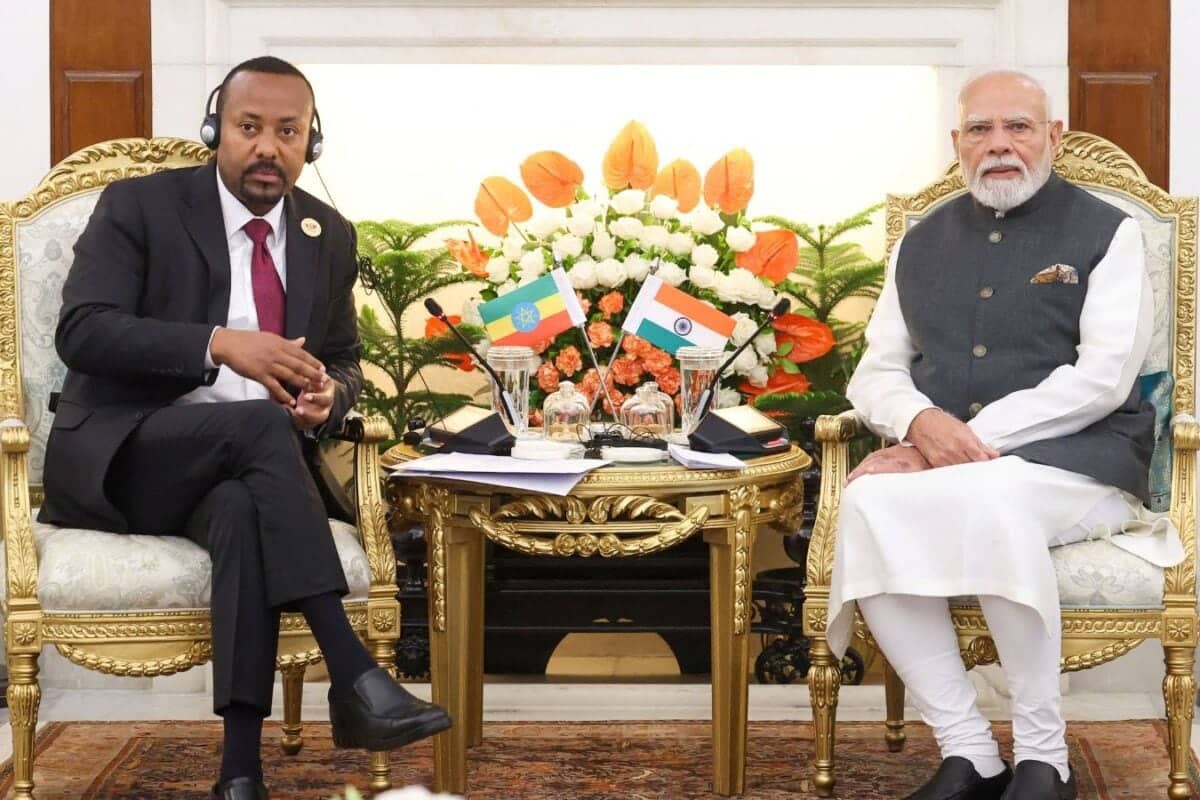
Prime Minister Narendra Modi’s visit to Ethiopia holds significance in the broader context of ongoing discussions within the BRICS bloc. The diplomatic engagement between New Delhi and Addis Ababa is occurring as member nations continue to navigate complex geopolitical landscapes. According to reporting by News 18, the interaction between Prime Minister Modi and Ethiopian leadership is viewed through the lens of these multilateral frameworks.
The visit is not isolated from the wider strategic calculations of India’s foreign policy. Instead, it is positioned as part of a larger effort to strengthen ties with key nations in Africa that are relevant to India’s economic and security interests. The timing of the outreach coincides with heightened attention on BRICS dynamics, where cooperation among emerging economies remains a central theme.
India’s Need for Regional Partners
A primary driver for this diplomatic outreach is India’s increasing requirement for reliable partners on the African side of the Red Sea. The Bab el-Mandeb strait serves as a critical choke point for global trade and energy supplies, making stability in the surrounding regions vital for Indian economic security.
While Ethiopia itself does not possess the naval capacity to directly resolve the threats posed by Houthi militants, its geographic position makes it a relevant partner for India. The relationship is built on the recognition that securing supply chains requires cooperation with nations bordering strategic waterways. This partnership focuses on diplomatic and logistical coordination rather than direct military intervention in maritime conflicts.
Houthi Threats and Maritime Security
The Bab el-Mandeb strait has come under threat from Houthi militants, raising concerns about the safety of commercial shipping and energy transit. These threats have prompted nations with heavy reliance on Red Sea trade routes to reassess their security partnerships.
Reports indicate that India is closely monitoring the situation in the region. The visit to Ethiopia is significant not because Addis Ababa can stop the Houthis, but because it allows New Delhi to engage with a key neighbor on the African coast. This engagement helps India maintain a presence and influence in a region that is increasingly volatile.
Distinguishing Diplomatic Goals from Military Capabilities
It is important to clarify the scope of this diplomatic mission. Ethiopia is not expected to directly resolve the Houthi threat. The militants operate primarily from Yemen, across the Red Sea from Ethiopia. Therefore, the value of the Modi-Abiy meeting lies in its strategic positioning rather than immediate conflict resolution.
The significance of the visit stems from India’s need for partners who can provide stability and cooperation on the African side of the strait. By strengthening ties with Ethiopia, India aims to ensure that its interests are represented in regional discussions regarding maritime security. This approach allows New Delhi to build a network of allies that can support its broader geopolitical objectives.
Implications for Regional Stability
The focus on Ethiopia highlights the growing importance of East African nations in global trade routes. As Houthi activities continue to pose risks to navigation, countries dependent on Red Sea shipping are looking for ways to mitigate these dangers through diplomatic means.
India’s outreach to Addis Ababa reflects a pragmatic approach to regional security. By engaging with Ethiopia, New Delhi acknowledges the interconnectedness of African stability and its own economic well-being. This partnership does not promise an end to the Houthi threats but offers a channel for dialogue and coordination.
The visit underscores the complexity of modern diplomacy, where military solutions are often complemented by strategic alliances. For India, maintaining strong relations with nations on the African side of the Red Sea is essential for safeguarding its trade routes. The engagement with Ethiopia serves as a testament to this priority, ensuring that New Delhi remains connected to key stakeholders in the region.
As BRICS discussions continue and maritime tensions persist, the relationship between India and Ethiopia will likely remain a focal point for observers analyzing India’s foreign policy strategy. The visit demonstrates a commitment to diversifying partnerships and securing interests in critical geographic areas without relying solely on traditional military alliances.