

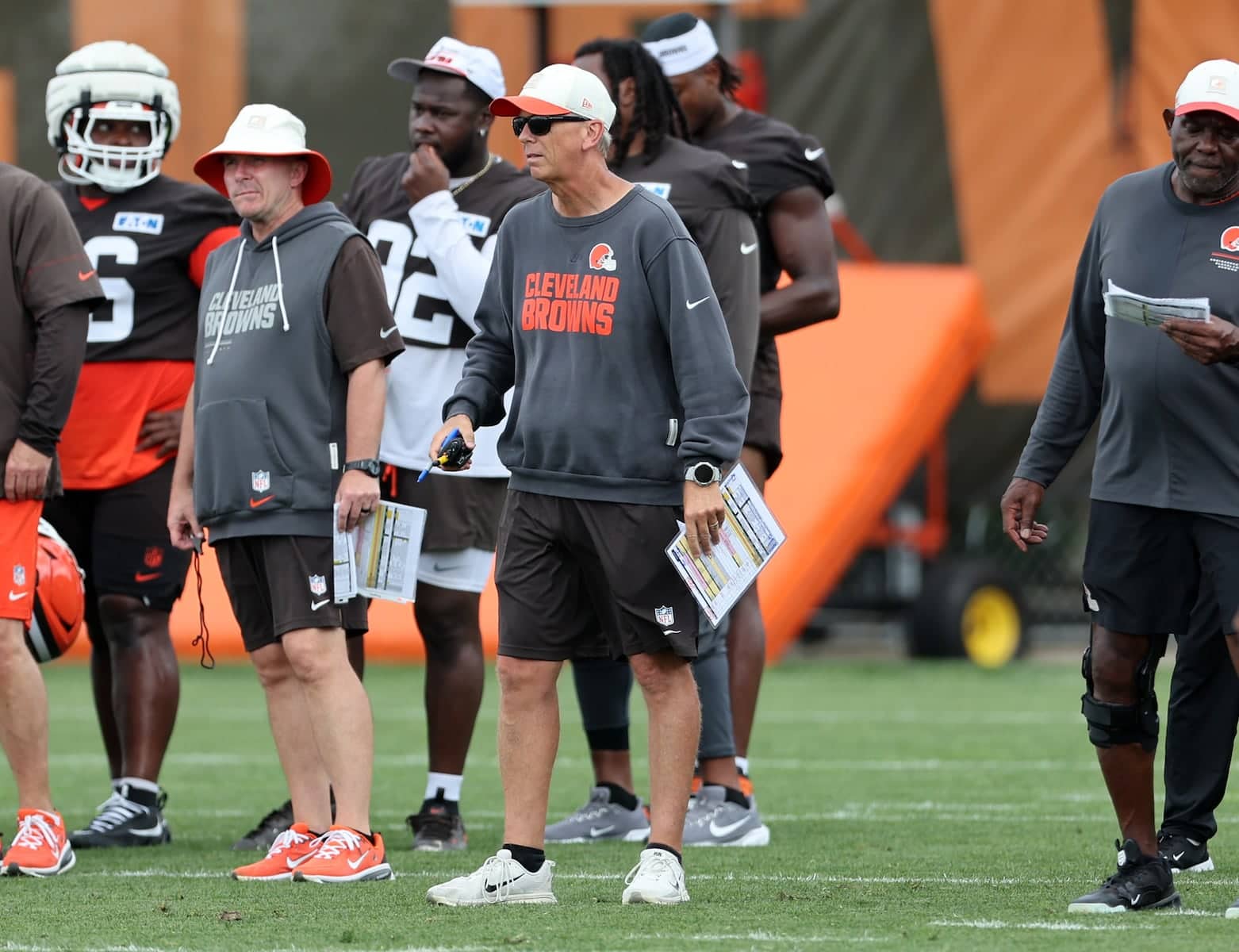

Practice Abruptly Halted Amid On-Field Altercations
Cleveland Browns head coach Todd Monken abruptly brought an end to the team's scheduled practice session on Tuesday after multiple altercations erupted among players during the workout. This decisive action, taken mid-session, underscored the severity of the situation, as the physical confrontations escalated on the field, disrupting the focus and purpose of the team's training.
Later, in his comments to the media, Monken elaborated on the rationale behind his unprecedented decision to terminate practice prematurely. He articulated the specific factors that compelled him to intervene and halt the session. Monken characterized the halt not merely as a procedural stop, but as an "angry reaction" to the escalating events that unfolded during the drill. He stressed the importance of confronting the issue in real-time, emphasizing the critical need to address the unacceptable behavior directly and unequivocally on the spot, rather than allowing any further escalation or normalization of disruptive actions.
Immediate Disciplinary Action
The decision to terminate practice early serves as a powerful disciplinary measure, signaling a clear and immediate consequence for the players involved. Such an action disrupts the team's meticulously planned training schedule, resulting in lost practice repetitions and a direct impact on preparation. Monken’s swift response highlighted his low tolerance for a breakdown in discipline and professionalism within the team environment, reinforcing the message that on-field altercations are detrimental to team cohesion and overall objectives.
Coaching Challenges in Preventing Future Incidents
Following his explanation for the immediate cessation of practice, Monken candidly admitted to a significant lack of clarity regarding how to prevent similar incidents from occurring in future practice sessions. This admission from a head coach underscores the inherent and complex challenges of managing a roster of highly competitive, physically intense professional athletes, particularly in a sport like football where aggression is often a component of play.
Monken's Admission of Prevention Difficulties
The coach's acknowledgment of uncertainty is particularly notable. It highlights that while immediate disciplinary action, such as halting practice, can address an incident in the moment, devising a foolproof strategy to preemptively stop such confrontations in a high-contact, high-stakes sport remains a formidable task. Monken's comments focused primarily on the administrative decision to end the session and his broader concerns about maintaining discipline during practice sessions, rather than singling out specific individuals.
Anticipating the Buffalo Bills Matchup
The concern extends beyond the immediate Tuesday incident, with Monken specifically highlighting the upcoming matchup against the Buffalo Bills as a particular point of concern. He noted that he is unsure how to prevent fighting from recurring during practices leading up to that specific game. This targeted concern suggests an anticipation of heightened intensity or a perceived rivalry that could potentially exacerbate tensions during training sessions. The challenge for the coaching staff now shifts to how the team will prepare for the Buffalo Bills without repeating the disruptive behavior witnessed on Tuesday, ensuring that competitive drive does not devolve into counterproductive altercations.
Monken did not provide specific details regarding the identities of the players involved in the fight or the exact trigger for the altercation. His public statements maintained a focus on the broader issue of team discipline and the administrative response, rather than delving into individual culpability or the precise sequence of events that led to the confrontations. This approach emphasizes the collective responsibility of the team and the coaching staff's commitment to maintaining a disciplined and productive training environment.