

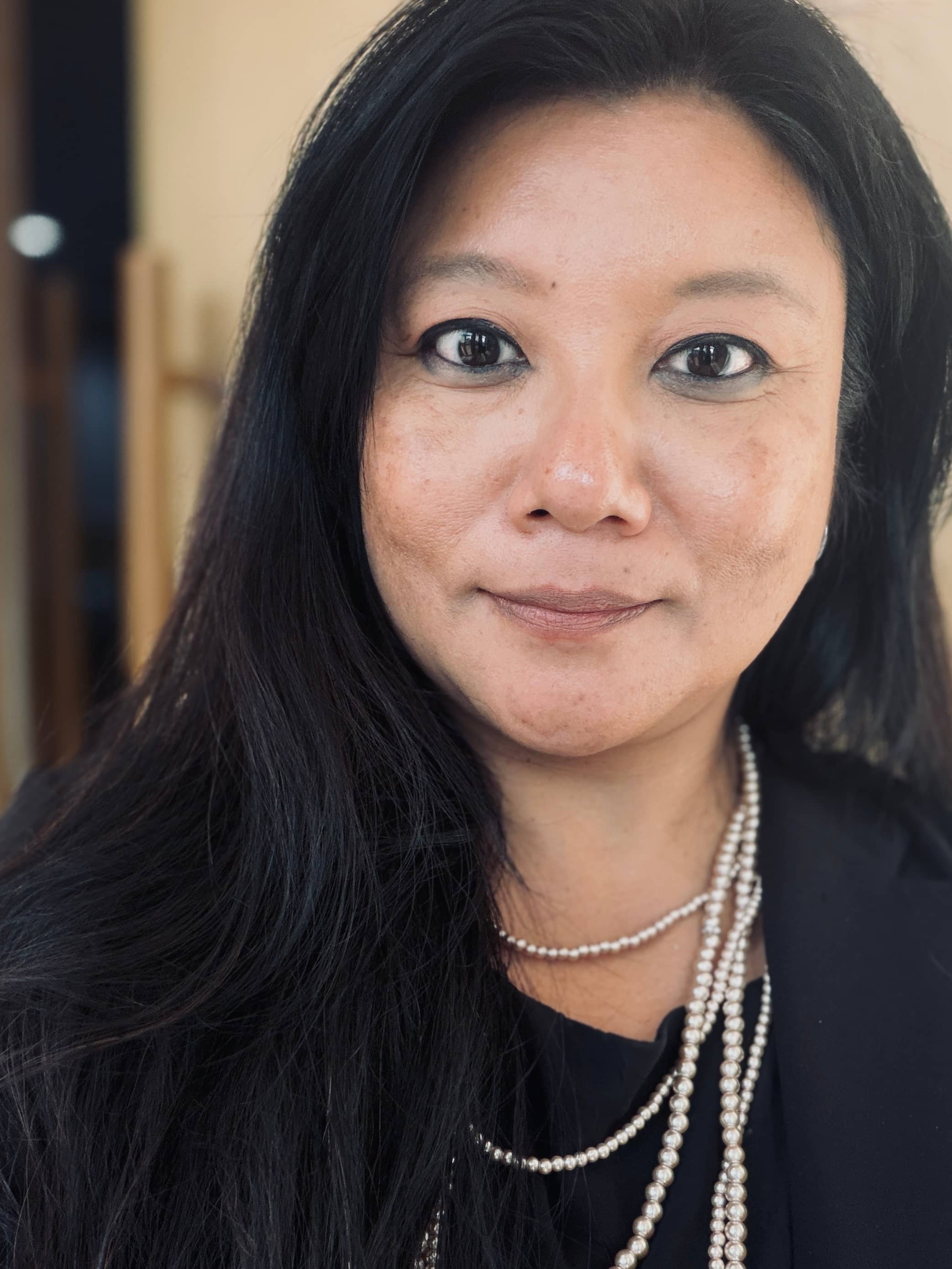

Two Decades of Advocating for Environmental Justice
In the field of global biodiversity conservation, a specific focus has emerged regarding the roles played by women and Indigenous communities. Mrinalini Rai has dedicated nearly two decades to advocating for the rights of these groups within the sector. Her work centers on ensuring that individuals who care for nature receive recognition, inclusion, and compensation they deem necessary. Rai currently serves as the founder and director of Women4Biodiversity. This organization operates globally with a mission focused on protecting the fundamental rights of women and girls to maintain a clean, healthy, and sustainable environment. The group functions independently from government mandates but interacts directly with international policy bodies.
Speaking from Thailand, where she is currently based, Rai outlined her professional journey. She noted that the organization promotes specific targets related to gender equality within major conservation agreements. Her efforts have been described as fighting for something deceptively simple: ensuring that those on the front lines of nature care are not treated merely as labor but as rights-holders.
The scope of Women4Biodiversity extends beyond local initiatives. The organization identifies itself as a global advocacy body. Its activities include lobbying, awareness campaigns, and direct engagement with policymakers at international summits. Rai emphasizes that the protection of women’s environment rights is not an isolated issue but integral to broader conservation goals.
Integration into International Policy Frameworks
Rai played a significant role in the adoption of a gender equality target under the Kunming-Montreal Global Biodiversity Framework. This framework represents one of the most comprehensive international agreements on nature protection currently active. According to Rai, her instrumental work behind this specific target involved years of negotiation and drafting within large multilateral gatherings. The resulting inclusion ensures that biodiversity strategies explicitly address gender disparities. She stated that without such targets, conservation plans often fail to account for the contributions made by women in rural areas.
The Kunming-Montreal Global Biodiversity Framework was adopted following extensive global consultation processes involving thousands of participants from diverse nations. Rai’s contribution is cited as a key voice behind this adoption phase. The target she helped shape mandates that governments and organizations must consider gender equality when formulating national biodiversity strategies.
Supporters within the environmental community have noted that these targets provide a mechanism for accountability. They argue that specific language regarding women’s rights creates enforceable standards rather than vague aspirations. Rai has stated in interviews with Frontiers Science news that this integration marks a shift toward more equitable conservation models.
Operational Base and Current Activities
Rai maintains her operational base in Thailand. From this location, she coordinates international communications and manages the organization’s strategic priorities for Women4Biodiversity. The choice of Bangkok as a headquarters reflects broader trends in where environmental advocacy groups establish regional hubs. The organization continues to monitor progress on its specific targets. Rai reports that ongoing work involves assessing how national governments are implementing these gender-focused provisions within their own biodiversity action plans. She notes that while the framework provides direction, implementation varies significantly across different regions.
Women4Biodiversity engages with various stakeholders, including Indigenous leaders and local conservation groups. The organization seeks to amplify voices that have historically been marginalized in high-level policy discussions. Rai describes this process as essential for restoring rights that were previously overlooked or undervalued within the scientific community. Critics of traditional conservation models often point out that ignoring gender dynamics leads to ineffective outcomes. Women4Biodiversity addresses these criticisms by embedding human rights considerations directly into biodiversity science and practice. The group argues that environmental degradation disproportionately affects women, particularly in developing nations where they are primary resource managers.
As the organization advances its agenda, Rai continues to speak from Thailand about the necessity of restorative justice within conservation circles. She maintains that legal recognition for these rights is a prerequisite for true sustainability. The group’s publications and reports frequently highlight case studies where women-led initiatives have succeeded despite lack of formal support.
Frontiers Science news has covered Rai’s work as part of its broader coverage on climate action and environment topics. The publication highlights her dual role as both a scientist-advocate and an organizational leader. This combination allows for direct translation between policy language and grassroots reality. The narrative surrounding Mrinalini Rai emphasizes the intersectionality of human rights and ecological health. Her tenure at Women4Biodiversity represents a sustained effort to align conservation science with social justice principles. As she continues her work from Thailand, the focus remains on securing tangible improvements in how global agreements treat women’s contributions.
There are no reported statements suggesting that Rai intends to retire or reduce her advocacy efforts soon. Instead, current reports indicate a continued commitment to expanding the reach of Women4Biodiversity. The organization plans further engagement with upcoming international summits where biodiversity targets will be reviewed and potentially strengthened. Rai’s background includes extensive experience in both policy formulation and field-level observation. This combination informs her approach, which balances high-level diplomacy with practical community needs. She frequently cites the need for compensation mechanisms that go beyond simple acknowledgment of labor.
The global nature of Women4Biodiversity means it operates across multiple time zones and cultural contexts. Rai notes that this diversity strengthens the organization’s ability to identify universal challenges in women’s rights protection. The group maintains open channels for collaboration with other NGOs working on similar issues.
As of recent reporting, there are no allegations against Women4Biodiversity regarding its funding or operational integrity. Rai has consistently emphasized transparency as a core value. She directs inquiries to public records and official organizational statements rather than relying solely on media narratives. The work described involves complex interactions between international law, indigenous rights treaties, and environmental science. Rai’s advocacy bridges these disciplines by insisting that legal frameworks must reflect biological realities of how communities interact with ecosystems.
Future activities for Women4Biodiversity will likely focus on monitoring the implementation phase of recent agreements. Rai expects continued dialogue as nations report progress toward their biodiversity goals. She anticipates that pressure from civil society organizations like hers will increase scrutiny over gender-specific provisions in these reports. The article concludes with a note on the ongoing nature of this advocacy work. Mrinalini Rai remains active, based in Thailand, and leading Women4Biodiversity’s charge to restore rights within the conservation sector.