


Redefining Deterrence: Beyond Military Might
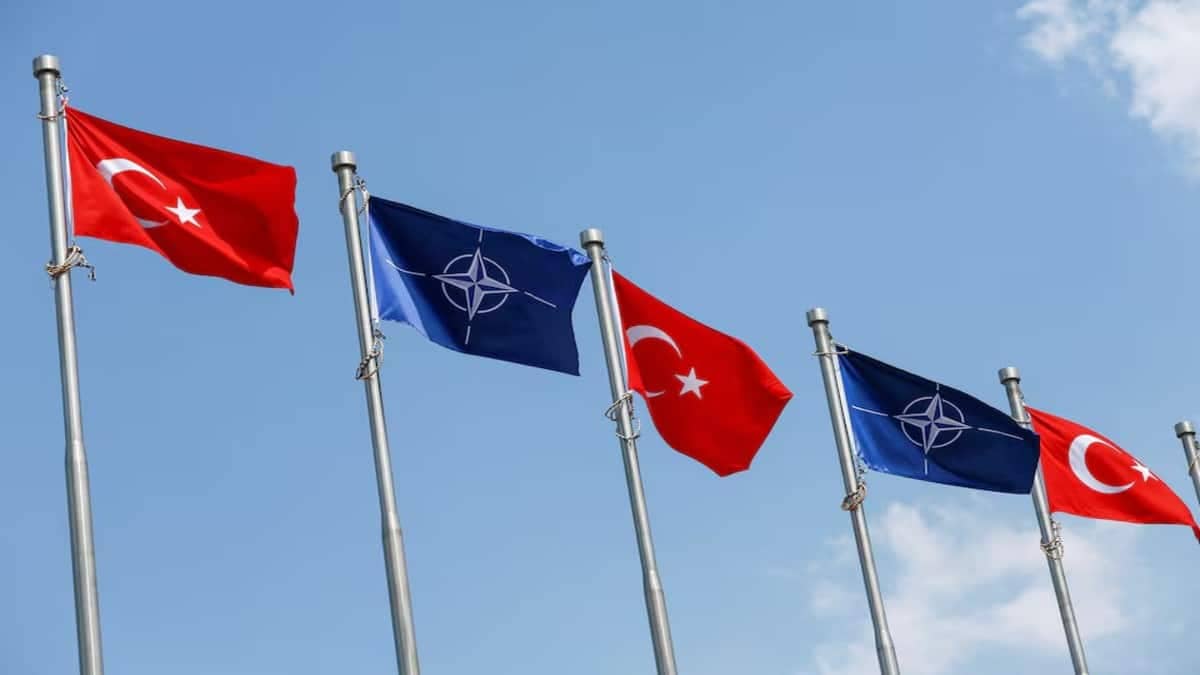
The recent NATO summit held in Ankara has signaled a distinct evolution in the alliance's strategic doctrine, moving beyond reliance on conventional military power to embrace the concept of endurance as a primary component of deterrence. According to analysis published by Firstpost, the discussions at the summit, when viewed alongside concurrent developments regarding Ukraine and Iran, point toward a common conclusion: while military capability remains indispensable, it is no longer sufficient on its own to ensure security.
Endurance as a Strategic Imperative
This shift suggests that long-term resilience and sustained operational capacity are becoming as critical as immediate combat readiness. The concept of "endurance" has emerged as a key element of deterrence in the context of the summit, indicating a broader understanding of what it takes to maintain security in a complex global environment. It implies an ability to withstand, adapt, and persist through prolonged challenges, encompassing not only military staying power but also economic, social, and political resilience.
The alliance appears to be recalibrating its approach to address protracted conflicts and complex geopolitical landscapes where traditional force projection may yield diminishing returns without complementary strategic endurance. This evolving nature of deterrence, highlighted at the Ankara Summit, suggests that a holistic strategy is required, one that integrates various facets of national power and collective resolve.
Lessons from Global Flashpoints
Discussions at the Ankara Summit, particularly when contextualized by ongoing events concerning Ukraine and Iran, underscored the necessity for strategies that extend beyond traditional military strength. The prolonged conflict in Ukraine, for instance, has demonstrated the critical importance of sustained support, logistical resilience, and the capacity to endure protracted engagements. Similarly, the complex geopolitical dynamics surrounding Iran highlight the need for multifaceted approaches that combine diplomatic, economic, and defensive measures, rather than solely relying on military might.
These global flashpoints serve as practical illustrations of why military capability, while foundational, is insufficient in isolation. They necessitate a strategic framework where the ability to sustain effort and adapt over time—true endurance—becomes a cornerstone of effective deterrence.
Ankara's Growing Influence and Digital Defense Ambitions
Amidst these broader strategic discussions, Türkiye is actively expanding its role and influence within the NATO framework. The country is positioning itself at the intersection of geopolitical considerations and technological advancements, with a specific focus on the integration of Artificial Intelligence (AI) into its defense structures.
Türkiye's Geopolitical Stance in a Changing Alliance
Reporting from Daily Sabah highlights the transition in Ankara's approach as it navigates its place in NATO, balancing traditional geopolitical alliances with emerging technological capabilities. Türkiye's expanding role is driven by a focus on its unique geopolitical position, which grants it significant strategic importance within the alliance. This involves leveraging its geographical location and diplomatic ties to enhance its contributions to collective security and regional stability.
This dual focus indicates that member states are increasingly looking to leverage advanced technology to enhance their strategic autonomy and contribution to collective security, with Türkiye serving as a prominent example of this proactive engagement.
Pioneering AI Integration for Collective Security
Türkiye's commitment to technological advancements, particularly in AI, is a key aspect of its expanding influence. By integrating AI into its defense structures, Ankara aims to modernize its military capabilities and enhance its effectiveness as a NATO member. This focus aligns with the broader alliance objective of maintaining a technological edge in an increasingly competitive security environment.
The emphasis on AI not only strengthens Türkiye's national defense but also contributes to the overall endurance and operational capacity of NATO, demonstrating a forward-looking approach to collective security challenges.
The AI Imperative: Enhancing NATO's Future Resilience
The integration of AI within NATO's framework was a notable topic during the summit, reflecting a broader trend among member nations to modernize their defense postures. This collective push towards AI adoption is seen as crucial for bolstering the alliance's long-term resilience and operational effectiveness.
Operational Advantages Through Artificial Intelligence
By incorporating AI, Türkiye and other allies aim to improve decision-making speeds, logistical efficiency, and situational awareness. AI-powered systems can process vast amounts of data rapidly, providing commanders with more comprehensive and timely intelligence, which is vital in fast-evolving operational environments. Enhanced logistical efficiency, achieved through AI optimization, ensures that resources are deployed effectively and supply chains remain robust, directly contributing to the alliance's endurance.
Furthermore, AI's ability to improve situational awareness by analyzing complex data from various sensors and sources allows for a more accurate and predictive understanding of the battlespace. These advancements collectively enhance the overall endurance of the alliance, enabling it to sustain operations and respond effectively to threats over extended periods.
Synthesizing Human Strategy with Machine Capabilities
This technological emphasis complements the geopolitical maneuvering Ankara is undertaking, suggesting that future deterrence strategies will rely heavily on the synergy between human strategic endurance and machine-enhanced capabilities. The goal is not to replace human decision-making but to augment it, providing human operators and strategists with superior tools and insights.
The integration of AI is therefore a critical step in modernizing NATO's defense posture, ensuring that the alliance remains agile, resilient, and capable of addressing the complex and protracted security challenges of the 21st century. This blend of human ingenuity and artificial intelligence is poised to become a defining characteristic of future collective defense.