

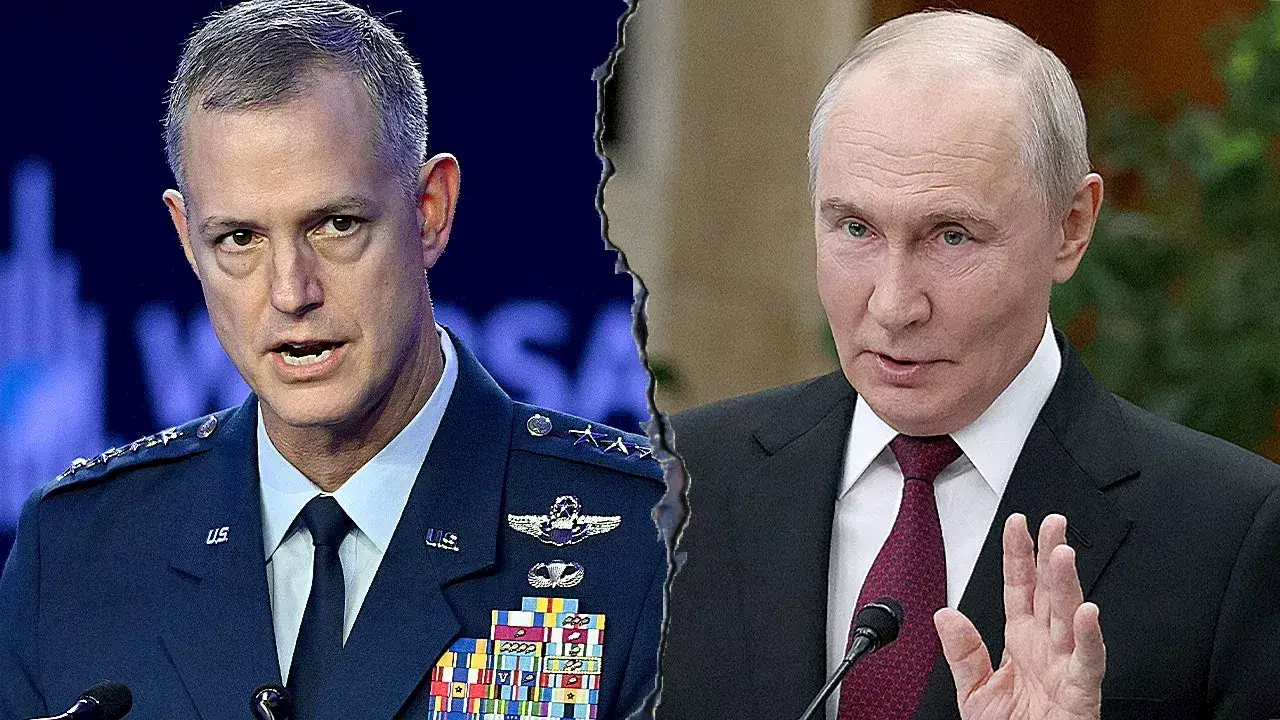

NATO Supreme Commander Outlines Deterrence Strategy at Warsaw Forum
U.S. Air Force Gen. Alexus Grynkewich, NATO's supreme allied commander in Europe, issued a direct warning to Moscow during the Warsaw Security Forum, stating that the alliance will destroy "anything and everything" supporting an attack on allied territory.
Grynkewich delivered the remarks on Monday at the forum in Poland, speaking on a panel titled "Theory of Victory: How Do We Achieve Military Success Against Russia in Deterrence and Defence?" The general outlined a three-pronged strategy designed to block, blunt, and break enemy forces.
The commander emphasized that NATO's response would extend beyond targeting troops to include the broader military infrastructure enabling an assault. "If someone is foolish enough to attack us, we will fight," Grynkewich stated, asserting that the alliance is prepared to engage immediately. "If attacked, we are ready to fight tonight," he added.
The warning appeared directed at Russia, which NATO's 2022 Strategic Concept identifies as the most significant threat to the alliance. The remarks come amid ongoing tensions involving European officials' accusations of Russian hybrid warfare, including sabotage and cyberattacks.
Context of Regional Tensions and Diplomatic Developments
Grynkewich noted that NATO is implementing its deterrence strategy through military exercises and enhanced readiness. The general's comments followed recent regional tensions, including Russian drone incursions into Polish airspace in 2025 and fresh strikes on Ukrainian energy infrastructure.
The security forum took place against a backdrop of shifting diplomatic dynamics. President Donald Trump announced an agreement with Vladimir Putin regarding Russian diesel supplies to the United States, a development that occurred alongside the heightened military rhetoric from NATO leadership.
At the Warsaw Security Forum, Grynkewich's panel focused on achieving military success in deterrence and defense against Russia. The general's statements reinforced the alliance's commitment to collective defense, signaling a hardened stance in response to perceived threats from Moscow.