Full story
Humanitarian Crisis Reveals Practical Diplomatic Channels
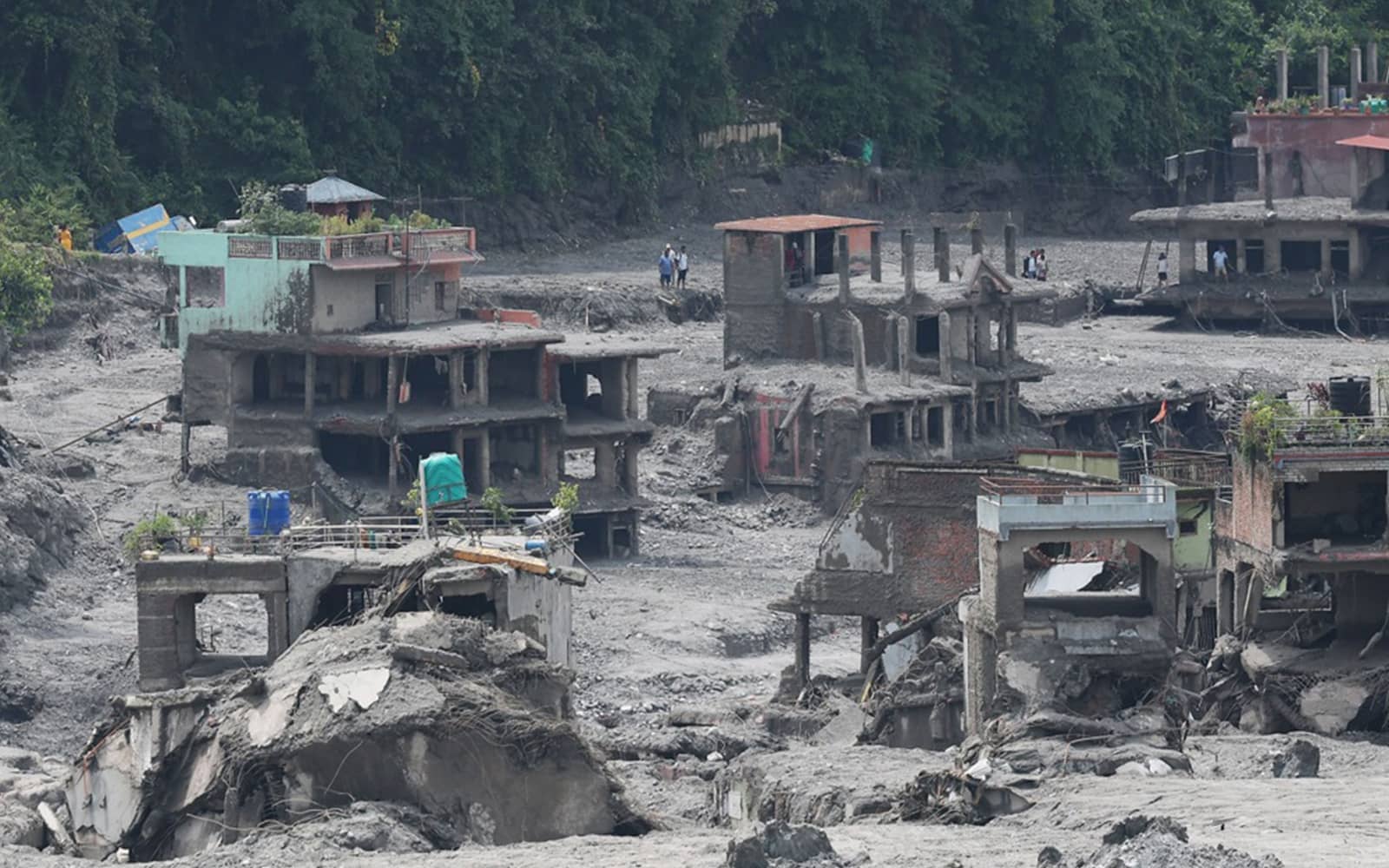
The search for Malaysian citizens reported missing following devastating flash floods in Nepal has emerged as a critical test of international cooperation and emergency response capabilities. The operation is characterized primarily as a humanitarian emergency, driven by the urgent need to provide information to families and coordinate rescue efforts with local authorities.
Malaysian officials face significant logistical challenges in executing these searches. The disaster struck areas with damaged infrastructure and disrupted communications, complicating efforts to locate missing persons. Additionally, the operation must contend with some of the world’s most difficult terrain, which hinders rapid movement and access to affected zones.
Beyond the immediate mechanics of rescue and recovery, the situation presents a foreign policy lesson regarding the utility of international relationships. According to analysis published by Free Malaysia Today on September 2, 2026, maintaining strong relations with Nepal, China, and India simultaneously is essential for effective crisis management. The publication argues that these diplomatic ties are not merely symbolic or economic in nature but serve as practical channels for information exchange, coordination, and assistance during emergencies.
Geographical Factors Influence Response Strategies
The specific location of the disaster underscores the importance of geographical proximity and cross-border dynamics. The flash floods hit Nepal’s Rasuwa district, an area situated near the frontier with Tibet. This geographic positioning means that natural disasters in this region do not respect international borders in their effects.
While the Himalayas are divided by defined political boundaries, rivers, mountain passes, transportation networks, and natural phenomena such as floods operate across these lines. Consequently, effective response requires cooperation with neighbors who control adjacent territories and infrastructure. The disaster illustrates that strong relationships with both Nepal and its powerful neighbors, India and China, are necessary to navigate these complex geographical realities.
Limitations of Traditional Diplomatic Metrics
The incident highlights a distinction between standard diplomatic indicators and functional crisis response capabilities. The source notes that good bilateral relations provide tangible benefits that extend well beyond conventional metrics of statecraft. Trade agreements, foreign investments, official diplomatic visits, and summit declarations are often cited as measures of strong international ties.
However, the Nepal disaster demonstrates that the true value of these relationships is realized when citizens encounter danger abroad. In such scenarios, established diplomatic channels become vital for facilitating rescue operations. Without pre-existing strong relations, the coordination required to overcome damaged infrastructure and difficult terrain would be significantly more difficult, if not impossible, to achieve.
The analysis suggests that nations must prioritize maintaining these connections continuously, rather than viewing them solely through the lens of economic or political gain. The ability to secure assistance and information during a humanitarian emergency relies on the depth and breadth of diplomatic engagement with all relevant parties in the region.
Implications for International Relations
The response to the Nepal floods serves as a case study for how international ties function in practice. The simultaneous maintenance of relationships with Nepal, India, and China allows for a more comprehensive approach to regional stability and safety.
Geography remains a defining factor in these interactions. The Rasuwa district’s proximity to Tibet means that any disruption in transportation or communication networks can have cross-border implications. Cooperation with Chinese authorities in Tibet, alongside coordination with Indian infrastructure networks, becomes a practical necessity for effective humanitarian aid delivery.
The disaster reinforces the argument that diplomatic efforts should be viewed as long-term investments in crisis resilience. The benefits of these ties are not always visible during periods of stability but become critical during times of acute distress. For Malaysia, the ongoing search for missing citizens highlights the immediate utility of having robust diplomatic channels open with all neighboring and regional powers.
The situation in Nepal confirms that international relationships provide essential frameworks for addressing challenges that transcend national borders. Whether dealing with natural disasters or other emergencies, the ability to coordinate across borders depends on the strength of pre-existing diplomatic connections. The disaster thus serves as a reminder that foreign policy is not just about trade and summits but also about ensuring safety and cooperation when crises occur.