


The Human Cost of Tunnel Safety Failures
The August 26, 2026 catastrophe at the Rasuwagadhi Hydropower Project in Timure has exposed significant vulnerabilities in Nepal’s energy infrastructure. The disaster, triggered by a rock-ice avalanche, resulted in more than 6,700 people being killed or left missing. It also damaged 12 operating hydropower projects and 15 under-construction projects, along with critical transmission lines.
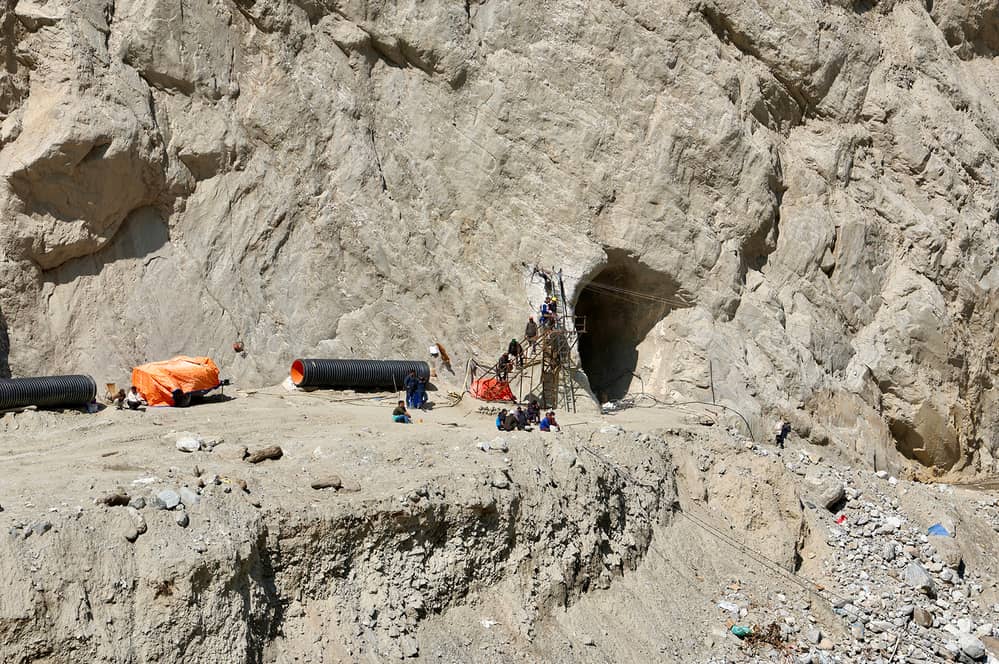
Salvage and repair work continues at the tunnel entrance of the Chilime Hydropower Project in Rasuwa, which sustained extensive damage during the event. The total financial losses from the incident are estimated at Rs150 billion, an amount that represents more than 90 percent of the Nepal Electricity Authority’s revenue from the last fiscal year.
Among the survivors was Bal Bahadur Majhi, a worker at the Rasuwagadhi site. Majhi stated that workers were instructed to move in a specific direction during floods but did not anticipate such a severe disaster could occur. His account highlights the disconnect between established safety protocols and the unpredictable nature of the geological events unfolding within the tunnels.
A Pattern of Hydrological Extremes
The August 2026 event was the third major flood to strike the Rasuwagadhi plant within a 15-month period. The site had previously experienced a glacier lake outburst flood in July 2025, followed by a sediment-laden flood in July 2026.
These recurring incidents have intensified scrutiny over the safety and sustainability of hydropower development in the region. Water expert Ajaya Dixit argued that Nepal needs to revisit its hydropower goals and pause to reflect following the Rasuwa disaster. Dixit noted that human intervention over the last 50 years has altered landscapes and hydrological processes, while institutions remain rooted in older understandings of these systems.
Strategic Goals and Public Investment
Despite the recent devastation, Nepal maintains its ambition to generate 30,000 MW of hydropower by 2035. This target was driven in part by severe power cuts that previously resulted in loadshedding lasting up to 18 hours a day at its peak.
To support this expansion, the government launched state-sponsored campaigns such as “Nepal’s waters, [the] people’s investments,” urging citizens to purchase hydropower shares rather than depend on foreign powers. The August 2026 disaster has now placed those financial and strategic ambitions under immediate pressure.