


Bliksem Project Launches in The Hague
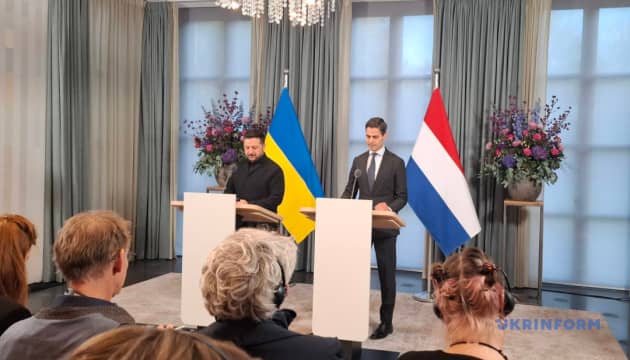
Ukraine and the Netherlands have begun work on a joint air defense project designated as Bliksem, President Volodymyr Zelensky announced during a joint press conference with Dutch Prime Minister Rob Jetten in The Hague.
Zelensky stated that teams have been formally tasked with developing the specific parameters of the air defense project and confirmed that work on the initiative has commenced. The announcement was made as part of broader discussions regarding defense cooperation between the two nations, signaling a shift toward more integrated operational planning.
The Bliksem project represents a new layer of military collaboration, focusing specifically on air defense capabilities. Zelensky emphasized the strategic importance of such joint efforts, noting that the countries possess significant potential to cooperate across multiple sectors including defense manufacturing, joint technology projects, energy, industry, and satellite technologies.
During the conference, Zelensky highlighted the necessity of developing specific projects capable of overcoming existing challenges related to communications and satellite infrastructure. These technical hurdles were cited as key areas where combined efforts between Kyiv and The Hague could yield tangible results for Ukraine's defense posture, ensuring that air defense systems remain resilient against electronic warfare and connectivity disruptions.
Aid Packages and Strategic Shortfalls
Alongside the announcement of the Bliksem initiative, Zelensky expressed gratitude to the Netherlands for two distinct aid packages. He acknowledged a military aid package valued at 500 million euros, which supports immediate defensive needs. Additionally, he thanked Dutch officials for a 1.2 billion euro package of non-lethal aid.
The non-lethal assistance is designated to support Ukraine’s energy sector, infrastructure reconstruction, the social sector, and healthcare systems. These funds are intended to bolster civilian resilience and critical services amid ongoing conflict, addressing the long-term sustainability of Ukrainian society under siege.
Zelensky identified a critical gap in Ukraine’s current defensive capabilities, stating that the country’s key shortfall lies in anti-ballistic missiles required to intercept Russian ballistic missiles. He noted the urgency of addressing this deficit as winter approaches, implying increased operational difficulties for air defense systems during colder months and highlighting the seasonal vulnerability of Ukrainian cities to missile barrages.
Broader International Support Context
The discussions in The Hague occurred within a wider context of international military and economic support for Ukraine. Zelensky referenced commitments from other allies to underscore the collective nature of aid efforts, demonstrating that Dutch contributions are part of a larger coalition supporting Kyiv.
He noted that the United Kingdom has committed to allocating 10 billion pounds to Ukraine over a three-year period. This British package is structured to include 7 billion pounds in economic support and 3 billion pounds specifically for weapons procurement, illustrating the scale of financial and material backing available to Ukraine from its Western partners.
The joint press conference concluded with Zelensky reiterating the importance of sustained cooperation across defense, technology, and infrastructure sectors. The launch of the Bliksem project marks a concrete step in the ongoing integration of Dutch resources into Ukraine’s national defense strategy, moving beyond simple aid delivery toward co-development of critical military technologies.