

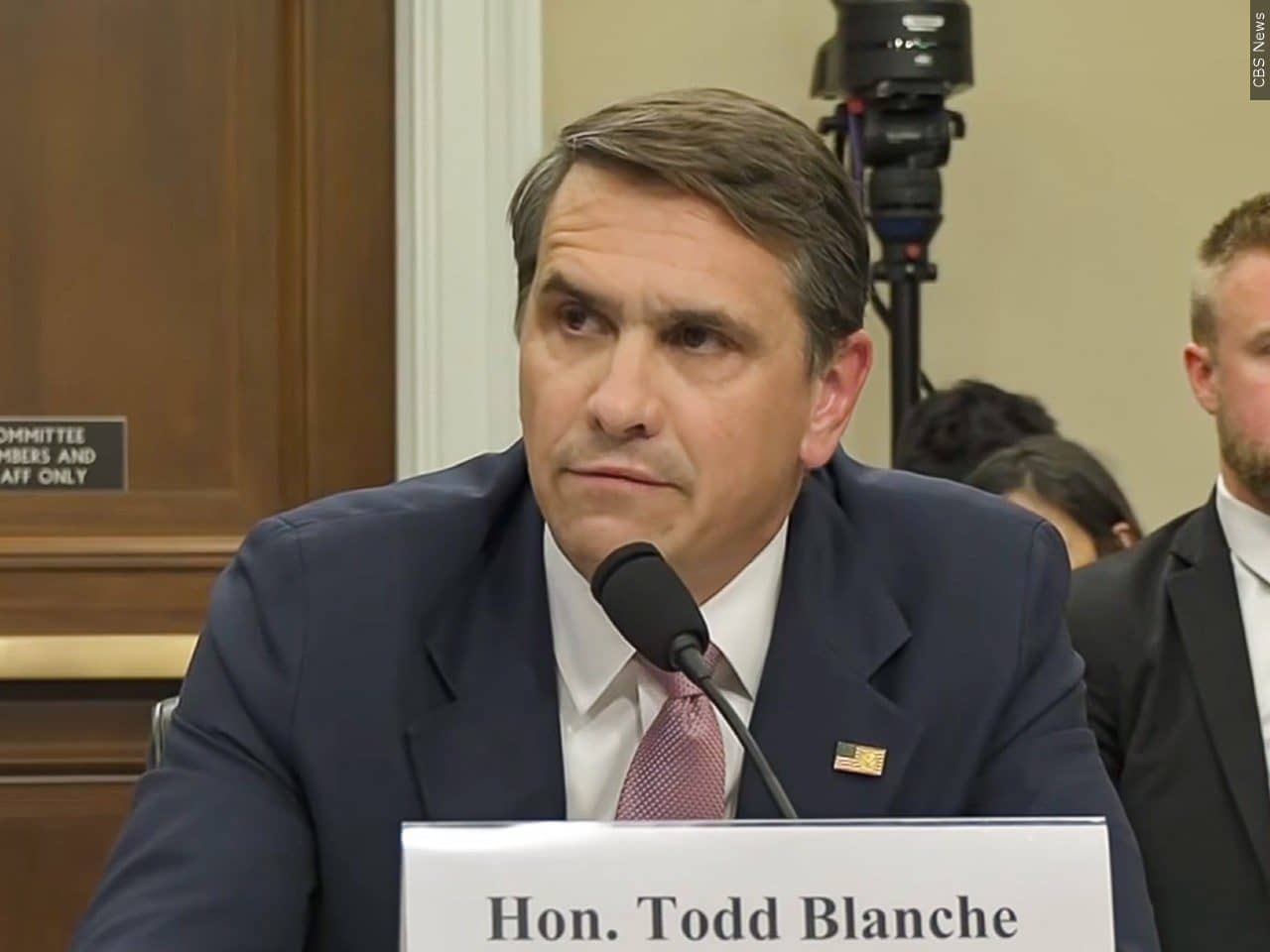

Senate Confirms Blanche in Narrow Vote
The United States Senate confirmed Todd Blanche as attorney general late Friday night, concluding a contentious nomination process that highlighted deep divisions within the legislative body. The final vote count stood at 50 in favor and 49 against, a razor-thin margin that underscored the intense political polarization surrounding the appointment of the nation's top law enforcement official.
Blanche, who previously served as personal lawyer to President Donald Trump, was selected for the role by the president. His confirmation marks a significant shift in the leadership of the Department of Justice, placing an individual with close ties to the former administration at the helm of an agency traditionally expected to operate with strict independence from political influence. This appointment has drawn considerable scrutiny regarding the future direction and impartiality of federal legal proceedings.
The narrow margin of the vote, effectively a party-line split, underscored the political polarization surrounding the nomination from its inception. The decision was made after extensive debate and scrutiny of Blanche’s professional history, legal qualifications, and his past representation of a former president facing numerous legal challenges. Senators delved into his record, examining his approach to legal ethics and his potential ability to serve the public interest impartially. The Senate’s approval now allows Blanche to assume his duties as attorney general, overseeing the vast federal justice system, including agencies like the Federal Bureau of Investigation (FBI) and the Drug Enforcement Administration (DEA), and advising the president on a wide array of legal matters from national security to civil rights enforcement.
New Mexico Delegation Issues Strong Objections
New Mexico’s senators, Ben Ray Luján and Martin Heinrich, responded immediately to the confirmation with sharp criticism, positioning themselves among the most vocal opponents of Blanche’s appointment. Both lawmakers expressed their disapproval through public statements, highlighting profound concerns about his background, his previous professional engagements, and his overall suitability for a role demanding unimpeachable impartiality and a steadfast commitment to the rule of law.
Luján and Heinrich Condemn the Appointment
Senators Luján and Heinrich were among the most vocal opponents of Blanche’s confirmation throughout the nomination process. Their criticism focused intensely on Blanche’s history as President Trump’s personal attorney, a position that involved navigating numerous high-profile legal challenges faced by the former president. This prior professional relationship, they argued, created an inherent conflict of interest that would compromise his ability to serve as the nation's chief law enforcement officer.
The senators argued that Blanche’s past actions and loyalties raised serious questions about his independence and his unwavering commitment to the rule of law, free from political or personal influence. They contended that his close relationship with the former administration made him an inappropriate choice for the nation's top prosecutor, a role that requires absolute impartiality, a strict adherence to legal standards, and the ability to apply justice equally regardless of political affiliation or personal ties. As KOB 4 reported, “The Senate confirmed Todd Blanche as attorney general in a 50-49 vote, drawing sharp criticism from New Mexico senators Ben Ray Luján and Martin Heinrich.” The news outlet further noted that the confirmation had drawn immediate and significant backlash from the state’s congressional delegation, reflecting widespread apprehension.
Focus on Legal and Ethical Concerns
The criticism from Luján and Heinrich was not merely political but centered on specific ethical and legal considerations that they believe are fundamental to the integrity of the Department of Justice. They pointed to Blanche’s direct role in defending Trump during various investigations and legal proceedings as compelling evidence of potential conflicts of interest, particularly in any future matters that might involve the former president or his associates.
According to reports, the senators emphasized that the attorney general must serve the public interest above all else, a duty they argued was inherently compromised by Blanche’s prior professional engagements. They articulated that the attorney general's office demands a perception of fairness and an actual practice of unbiased decision-making, which they believed would be difficult for Blanche to maintain given his history. Their statements reflected a broader concern among some lawmakers about the potential for personal relationships to unduly influence federal legal proceedings and the administration of justice at the highest levels of government.
Implications for Federal Justice and New Mexico
The confirmation of Todd Blanche has significant implications for the landscape of federal justice and, by extension, for states like New Mexico, given the state’s unique political landscape and its senators’ active role in national debates. Luján and Heinrich have historically taken strong stances on issues of justice, accountability, and the integrity of democratic institutions, making their vigorous opposition to Blanche consistent with their established legislative records and their commitment to oversight.
Their reaction highlights the ongoing tension between the executive branch’s appointment powers and the Senate’s constitutional advisory and consent role, especially when nominations are perceived to challenge the independence of critical government agencies. The narrow vote count suggests that Blanche’s confirmation may face continued scrutiny and challenges during his tenure, potentially leading to increased congressional oversight and public debate over the Department of Justice’s actions.
As attorney general, Blanche will oversee a vast network of federal law enforcement agencies, including the FBI and DEA, and direct federal prosecutions across the country. His leadership style and policy priorities are widely expected to align closely with the Trump administration’s agenda, a prospect that has drawn both fervent support from some quarters and strong opposition from others across the political spectrum. This alignment could influence federal enforcement in areas such as immigration policy, environmental regulations, and civil rights protections.
New Mexico residents, legal experts, and advocacy groups are now watching closely to see how Blanche’s confirmation affects federal policies in the state, particularly regarding federal land management, border security, and the enforcement of civil rights. The senators’ sharp criticism serves as a potent reminder of the high stakes involved in such pivotal appointments and the paramount importance of maintaining judicial integrity and public trust in the nation’s top law enforcement office.