

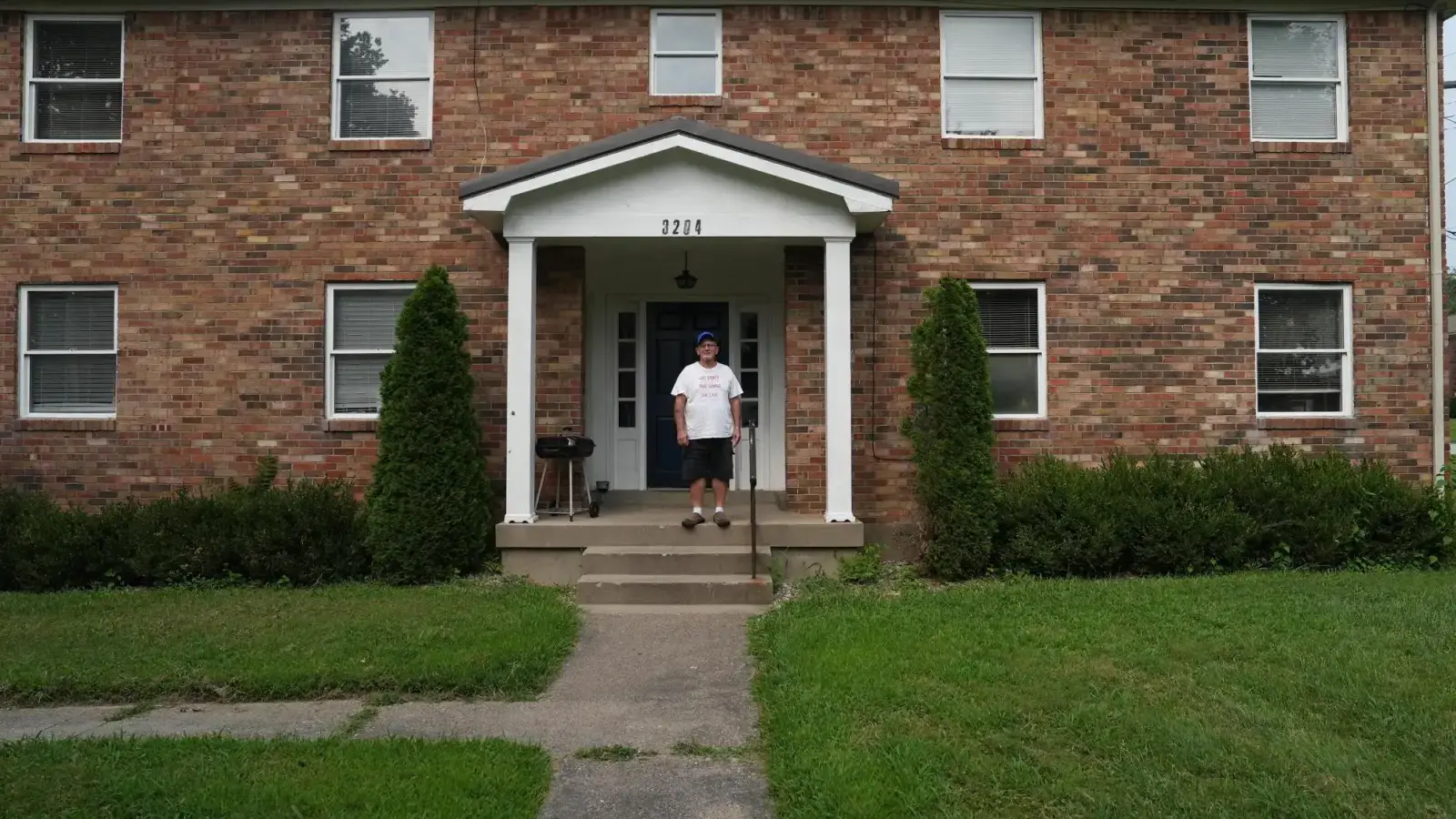

Federal Shift From Housing First to Treatment First Sparks Industry Alarm
The federal government is initiating a significant pivot in its national strategy to combat homelessness, moving away from the long-standing "Housing First" model that has guided policy for more than a decade. According to reports, the administration of President Donald Trump is replacing this approach with a "Treatment First" framework and a greater emphasis on short-term "transitional" housing arrangements.
This policy reversal marks one of the most substantial changes in federal homelessness strategy in recent history. The previous model, which prioritized providing permanent housing to individuals without preconditions such as sobriety or mental health treatment compliance, has been the cornerstone of government efforts since the early 2010s. The new direction suggests a fundamental disagreement with the efficacy of that decade-long experiment, favoring instead a system where medical and psychiatric interventions are prerequisites for stable living situations.
Providers Face Reluctant Compliance Amidst Operational Disruption
The announcement has triggered immediate concern among service providers and advocates who argue that the sudden upheaval threatens the lives of some of the most vulnerable populations in the country. Organizations that rely heavily on federal funding are now navigating a complex landscape where they must adapt their core missions to align with new directives, often against their professional judgment.
Industry leaders report that housing organizations are reluctantly making changes to comply with these new policies. The pressure to conform comes from the financial realities of the nonprofit sector; without federal grants and contracts, many agencies would cease operations entirely. However, the operational shift requires them to dismantle or alter programs that have been carefully constructed over years to support complex client needs.
Ra’Shann Martin, executive director of St. John Center in Louisville, Kentucky, voiced the deep skepticism felt by many on the ground. "Housing is healthcare," Martin stated, emphasizing the interconnected nature of shelter and medical stability. He further noted, "The longer people stay unhoused, the more fragile they become." This perspective highlights the central tension between the new federal mandate and the practical experience of frontline workers who see clients deteriorate when placed in temporary or treatment-focused environments rather than permanent homes.
Concrete Impacts on Housing Projects and Local Infrastructure
The policy shift is already manifesting in tangible disruptions to housing infrastructure across multiple states. In Corbin, Kentucky, planned housing projects have been scrapped entirely, leaving potential residents without the anticipated relief. Similarly, in Santa Cruz County, California, the availability of housing for homeless individuals has decreased, contradicting the broader national goal of increasing shelter capacity.
Nonprofits in Louisville are considering more drastic structural changes to their facilities. St. John Center, which currently operates 200 apartments designated as permanent housing, is evaluating whether to convert most of these units into temporary accommodations. This potential reversal would strip vulnerable individuals of the stability that permanent housing provides, forcing them back into the cycle of transitional care that the new federal model prioritizes.
Statistical Context and Health Disparities
The debate over policy direction occurs against a backdrop of persistent and worsening homelessness statistics. Nearly 750,000 people were homeless last year, according to an estimate compiled by the U.S. Department of Housing and Urban Development. While this figure represents a slight decrease from 2024, it remains alarmingly high compared to historical baselines.
Data indicates that the homelessness rate is up 31% from 2019 levels. Furthermore, the composition of the homeless population has shifted in ways that complicate treatment-focused interventions. The portion of the homeless population considered chronically homeless has risen since 2019 and now accounts for about a quarter of the total. These individuals often have deep-rooted histories of instability that require long-term support rather than short-term transitional measures.
Health disparities among this population are severe and well-documented. Research shows that roughly half of homeless adults live with a disability. Additionally, up to two-thirds have mental illness, and 2 in 5 have substance use disorder. These conditions are not merely co-occurring issues but are often exacerbated by the lack of stable housing.
The physical toll of homelessness is also significant. Rates of disability, heart disease, and diabetes among homeless individuals are two to three times higher than in the general population. Advocates argue that these health crises are directly linked to the instability of living without a permanent address, challenging the administration's assertion that treatment must precede housing. They contend that without the security of a home, medical treatments are less effective, and chronic conditions worsen rapidly.
As federal funds begin to flow according to the new "Treatment First" guidelines, local agencies will face difficult choices about how to allocate resources. The scrapped projects in Kentucky and reduced availability in California serve as early indicators of a broader contraction in permanent housing stock. For advocates like Martin, the risk is not just bureaucratic inefficiency but a measurable increase in suffering among those who are already chronically homeless and medically fragile.