


Grand Jury Report Links Moody to Fund Transfer
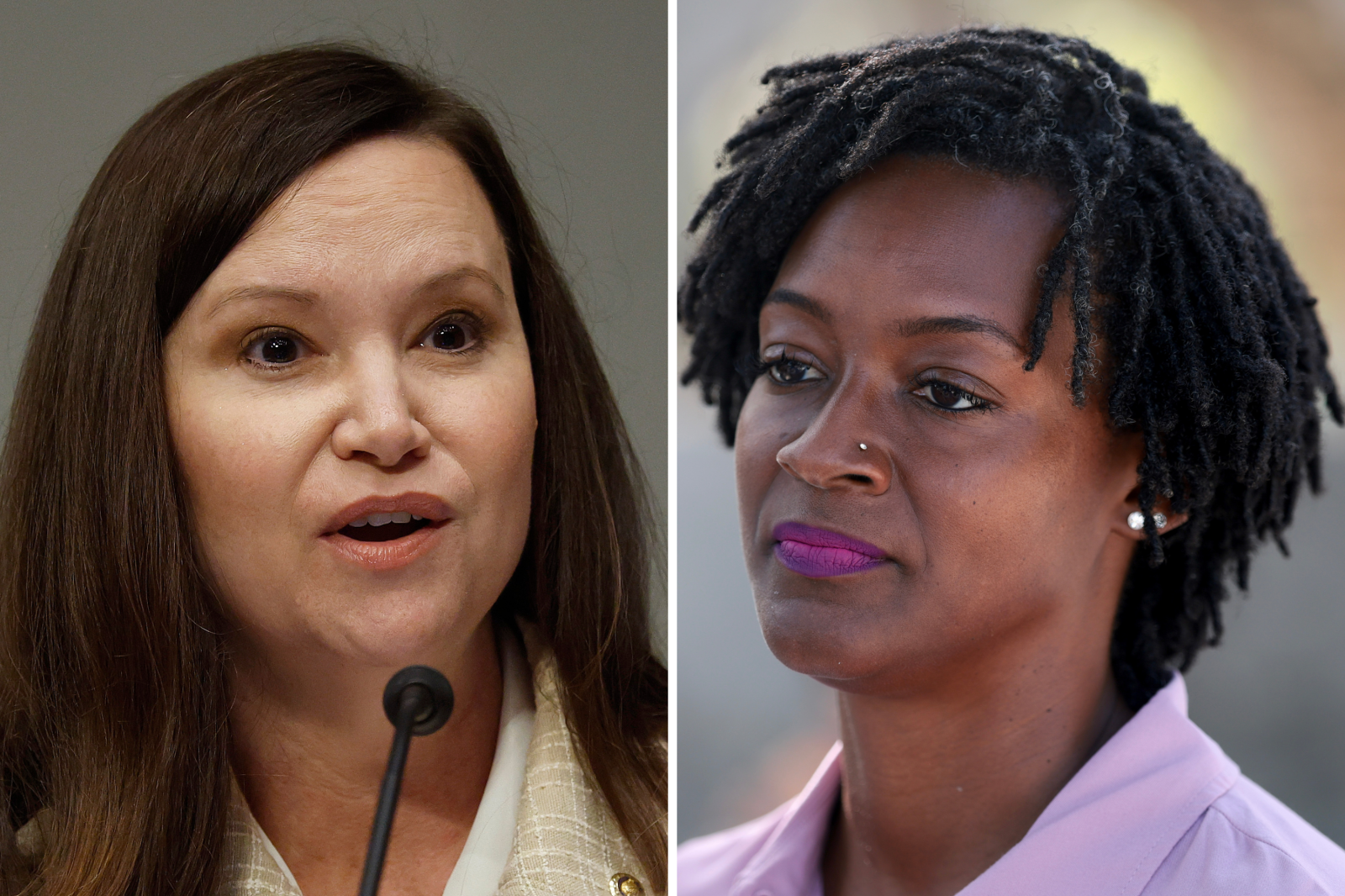
Florida Democratic Senate candidate Angie Nixon has intensified her criticism of Republican Senator Ashley Moody following the release of a grand jury report that named the incumbent in a significant financial controversy. The report detailed a plan to transfer $10 million from a Medicaid settlement to the Hope Florida Foundation, a nonprofit organization established by Florida First Lady Casey DeSantis.
The grand jury findings have become a central point of contention in the ongoing Senate race. Nixon, a state representative and democratic socialist who secured her party’s nomination in August, has explicitly called for Moody’s resignation based on these revelations. The proposed transfer of funds from a Medicaid settlement, which typically addresses public health needs, to a nonprofit linked to the governor’s wife represents a significant focal point for the Democratic campaign, raising questions about the appropriate allocation of public resources.
Moody, the former Florida attorney general, faces this scrutiny as she seeks re-election against Nixon. The grand jury report serves as the primary evidence cited by Nixon’s camp in their allegations regarding the handling of public funds. The connection between the substantial Medicaid settlement and the Hope Florida Foundation has drawn immediate attention from political observers and voters alike, prompting a closer examination of the state’s financial practices and the influence of political figures.
Allegations Over Public Funds and a First Lady's Nonprofit
The core of the controversy revolves around the reported intention to redirect $10 million. Funds originating from a Medicaid settlement are typically earmarked for specific public health initiatives or to compensate for past damages related to Medicaid programs. The grand jury report, by linking Senator Moody to a plan to transfer these funds, suggests a potential deviation from their intended public purpose.
The intended recipient, the Hope Florida Foundation, is a nonprofit established by Florida First Lady Casey DeSantis. While the foundation’s specific activities are not detailed in the report, its direct connection to the governor’s office through the First Lady has amplified the scrutiny. Nixon’s campaign highlights this connection as a critical element of their allegations, arguing that the proposed transfer raises ethical concerns about the use of public funds and potential conflicts of interest, especially when directed towards an organization closely tied to the state’s executive leadership.
The grand jury's findings provide a factual basis for Nixon's strong accusations, positioning the issue as a matter of accountability and transparency in state government. The allegations challenge Moody’s record as a public servant and former attorney general, roles that inherently involve upholding legal and ethical standards in the management of public finances. The ongoing debate over this alleged fund transfer is expected to remain a prominent feature of the Senate campaign.
Florida's Shifting Political Tides and Moody's Advantage
Despite the serious allegations surrounding the $10 million transfer, polling data suggests that Ashley Moody maintains a strong position in the race. Historically, Florida was considered a pivotal battleground state, known for its closely contested elections and diverse electorate. However, over the last decade, the state has undergone a significant political realignment, shifting demonstrably toward Republican candidates and solidifying its status as a Republican stronghold.
This sustained shift in Florida’s political alignment presents a particularly challenging environment for Democratic candidates. Angie Nixon’s victory in the August primary marked her entry into the general election, but she faces an incumbent who benefits not only from her established political career but also from the state’s recent and pronounced Republican leanings. The combination of Moody’s status as a former Florida attorney general and the prevailing partisan trend has positioned her favorably in early assessments of the race, making her the perceived favorite.
The broader political context of Florida means that even significant allegations, such as those detailed in the grand jury report, must contend with deeply entrenched partisan preferences. Voters in a state trending Republican may be less swayed by criticisms against a Republican incumbent, especially if those criticisms are framed by a Democratic challenger. This dynamic adds a layer of complexity to Nixon’s campaign, requiring her to not only articulate her policy positions but also to overcome a structural disadvantage inherent in the state’s current political landscape.
Nixon's Strategy Against a Favored Incumbent
The introduction of the grand jury report has added a new and potent dimension to the campaign. Nixon’s campaign strategy appears to focus heavily on these findings and the associated financial transfer. By highlighting the link between the Medicaid funds and the Hope Florida Foundation, Nixon aims to counteract the structural advantages Moody holds within the current political climate of Florida, attempting to make the controversy a defining issue for voters.
Nixon’s calls for resignation are direct responses to the named involvement of Moody in the plan to move the funds, demonstrating a clear intent to leverage the report's revelations to her political advantage. The Hope Florida Foundation, created by Casey DeSantis, is at the center of the financial arrangement described in the report, providing a concrete target for Nixon's critiques of transparency and accountability in state governance.
As the election progresses, the contrast between Nixon’s democratic socialist platform and Moody’s Republican record will likely remain a key issue for voters, offering a clear ideological choice. However, the immediate focus has been drawn to the legal and ethical implications of the $10 million transfer. The grand jury report provides the factual basis for Nixon’s criticism, while Moody’s standing in polls reflects the broader political context of the state, where partisan loyalty often plays a significant role in electoral outcomes.
The race underscores the complexities of Florida politics, where individual candidate controversies intersect with long-term partisan shifts. Nixon’s challenge involves not only addressing the allegations against her opponent but also navigating an electorate that has trended Republican over the past ten years. The outcome will depend on how voters weigh the specific claims in the grand jury report against the general political environment and their established partisan affiliations.