

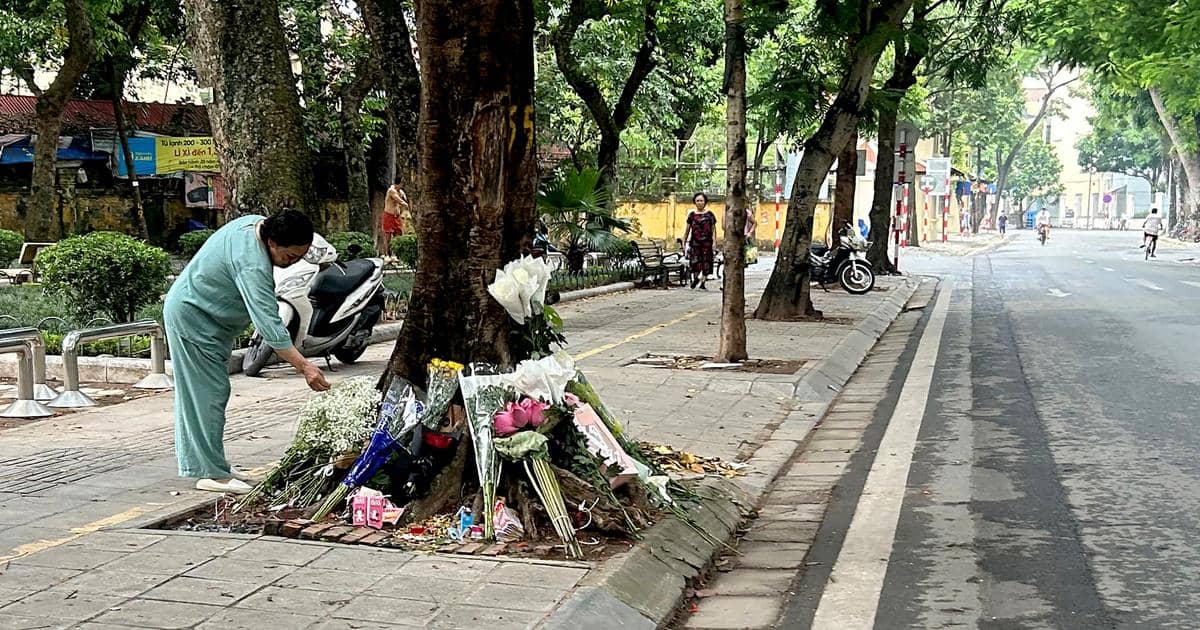

Mass Mobilization Over Student Death
In Vietnam, a profound wave of youth outrage has ignited widespread protests, drawing millions of participants over a sustained period of ten days. This extensive mobilization centers on the tragic death of an 18-year-old student, an event that has served as a potent catalyst for a significant and visible display of public dissent across the nation. Reports indicate that this prolonged period of activism has effectively placed the country's political system under intense and unprecedented scrutiny.
The sheer scale of the demonstration marks a pivotal moment in recent Vietnamese social history. The involvement of millions of individuals signifies that a broad and diverse segment of the population is actively engaging with the issue, transforming a singular, tragic incident into a collective political statement. Observers note that the immense number of participants has not only amplified the public's voice but has also significantly increased the pressure on the existing governance structures, demanding a response that transcends mere condolences.
A Catalyst for Collective Action
The death of the student, while a specific incident, resonated deeply enough to galvanize a movement of remarkable size and duration. This suggests underlying currents of dissatisfaction that found an outlet through this particular tragedy. The sustained nature of the protests over ten days underscores a determination among participants to maintain pressure and ensure their grievances are heard, moving beyond a fleeting moment of anger to a more organized and persistent form of advocacy.
Political System Under Scrutiny
The protests are unequivocally characterized by analysts and reporters as an action that puts the political system on trial. This powerful description highlights the direct and formidable challenge posed to the authority of the ruling Communist Party of Vietnam. The demonstrations are not merely focused on the specific circumstances surrounding the student's death but have rapidly expanded to encompass and address broader grievances regarding governance, transparency, and accountability within the state apparatus.
Challenges to Authority
This burgeoning movement represents a critical test for the political establishment. By mobilizing such a large and diverse demographic, particularly the youth, protesters are asserting their collective voice in a manner that directly confronts established power dynamics and traditional channels of influence. The prevailing narrative surrounding these protests suggests that the very legitimacy of the current political framework is being questioned by a generation that feels increasingly disconnected from, and unheard by, the traditional mechanisms of state power.
Reports further indicate that the outrage is far from isolated to a single region; rather, it has spread across multiple areas throughout Vietnam, uniting participants under a common cause. This significant geographic spread not only underscores the depth of public dissatisfaction but also demonstrates the remarkable ability of social networks and digital communication to coordinate and sustain large-scale action, even within regulatory environments that typically restrict such public gatherings.
Demands for Transparency and Accountability
The core of the challenge lies in the demands emanating from the streets: a call for greater transparency in state operations and robust accountability for those in positions of power. The protesters' focus on these principles suggests a desire for systemic change, moving beyond individual cases of injustice to address perceived shortcomings in the broader governance framework. This collective demand places the onus on the political system to demonstrate its capacity for self-correction and responsiveness to public sentiment.
Implications for Governance
The ten-day duration of the protests is a critical indicator of persistence and unwavering resolve among the demonstrators. Unlike short-lived incidents of public discontent, this sustained engagement suggests a deep-seated desire for fundamental change or, at the very least, a clear acknowledgment and meaningful response from the state. The political system is now confronting a complex scenario where it must address demands that extend significantly beyond the immediate incident of the student's death, touching upon broader issues of public trust and governmental legitimacy.
International observers and local commentators have widely noted the profound significance of these youth-led movements in Vietnam. Historically, such large-scale and prolonged public expressions of dissent are exceptionally rare within the country's political landscape. The current situation thus forces a comprehensive reevaluation of how the state interacts with its youngest citizens and, more broadly, how it manages social unrest in an increasingly connected world. The state's response to these protests will likely set a precedent for future interactions between the government and its populace.
Responding to a New Generation
The death of the 18-year-old student remains the poignant focal point, but the resulting political fallout is undeniably substantial and far-reaching. The protests have created a dynamic scenario where the political system is being evaluated by the public in real-time, not through official channels, but through the collective actions and voices of millions. This ongoing public evaluation is conducted through persistent demonstrations and demands for greater transparency and accountability from those in power.
Broader Social Dynamics at Play
This phenomenon reflects profound and shifting social dynamics within Vietnam. Young people, who constitute a significant and growing portion of the population, are increasingly leveraging their collective power to influence political discourse and demand greater participation in national affairs. The protests serve as a crucial barometer for public sentiment, revealing tensions and aspirations that may have been previously unspoken or suppressed within society.
As the ten-day period of activism continues, the potential impact on national policy and overall political stability remains a subject of intense discussion and speculation. The events highlight the inherent vulnerability of established political systems when confronted with coordinated and sustained opposition, particularly when spearheaded by a large and energized youth demographic. The situation in Vietnam is being watched closely by international communities as it unfolds, with significant implications for how authoritarian regimes globally manage domestic dissent and maintain control in the digital age, where information and mobilization can spread rapidly.
Youth as a Political Force
The protests have undeniably put the political system on trial, according to widespread media analysis. The ultimate outcome of this public trial will largely depend on the state's comprehensive response to the demands and the continued engagement and resolve of the protesters. For now, the focus remains acutely on the unfolding events and their immediate and long-term effects on Vietnam's intricate political landscape, signaling a potential shift in the relationship between the state and its citizens.