


Converging Rhetoric Against Tokyo
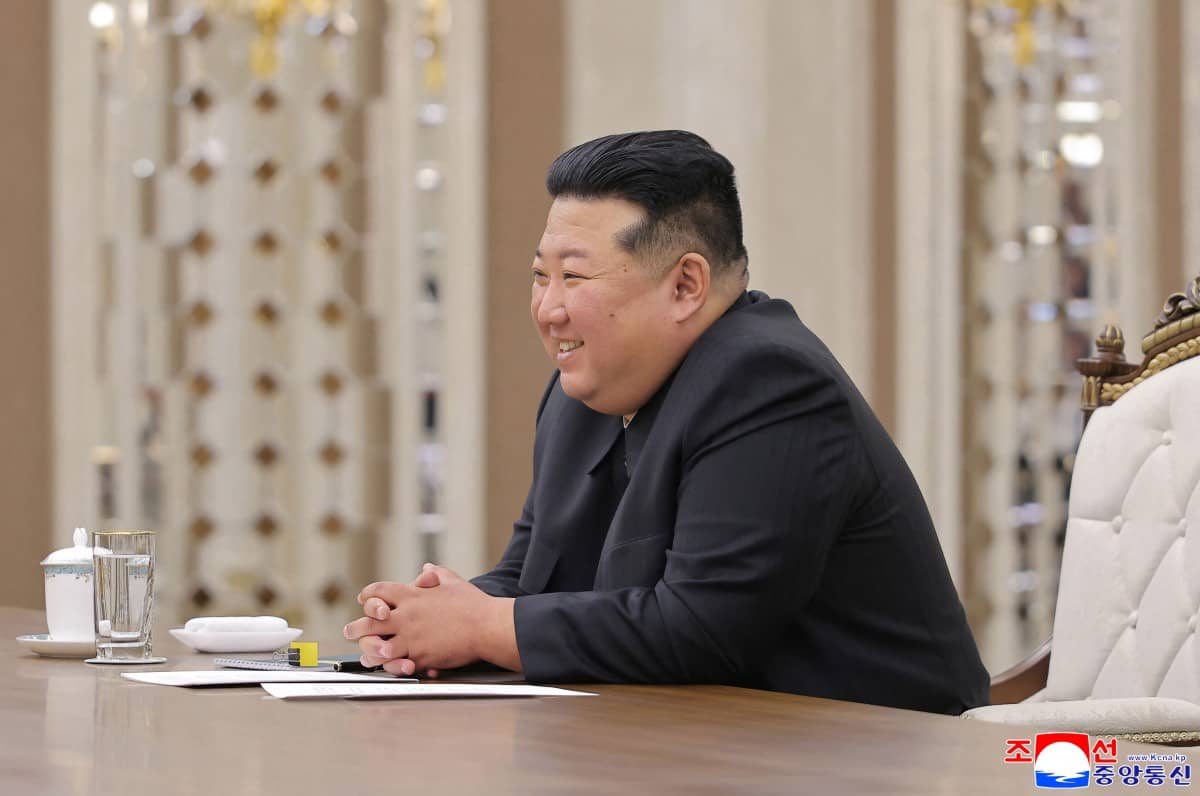
North Korea has joined China and Russia in issuing criticism of Japan, signaling a deepening alignment among the three nations. This coordinated diplomatic stance coincides with reports of expanding military cooperation between Pyongyang and Moscow. The convergence of positions from Beijing, Moscow, and Pyongyang is being interpreted by external observers as a strategic move to exert pressure on Tokyo.
According to experts and South Korean government officials, the synchronized rhetoric serves a specific geopolitical purpose: to challenge Japan’s role in regional security architectures. Japan is currently identified as a key partner in military cooperation that involves South Korea and the United States. The criticism directed at Tokyo by the three nations highlights the increasing tension between Japan’s security partnerships and the opposing bloc led by North Korea, China, and Russia.
The alignment suggests a coordinated effort to undermine the trilateral defense relationship between Seoul, Washington, and Tokyo. By publicly condemning Japan, North Korea, China, and Russia are reinforcing their own strategic cooperation while simultaneously attempting to isolate Japan diplomatically and militarily within the region.
Deepening Military Cooperation Between Pyongyang and Moscow
Recent reports indicate a significant increase in military cooperation between North Korea and Russia. While specific details of these engagements remain largely unverified in public sources, the speculation points toward a strengthening defense partnership that goes beyond historical ties.
Strategic Implications for Regional Security
The deepening ties between Pyongyang and Moscow are viewed as part of a broader strategic cooperation involving China. This tripartite alignment is seen as a direct counterweight to the military cooperation forged between South Korea, the United States, and Japan.
South Korean government officials have noted the increasing frequency and intensity of criticism directed at Japan by North Korea, China, and Russia. These officials view the converging rhetoric not merely as diplomatic posturing but as an active effort to pressure Tokyo. The pressure is understood to be aimed at disrupting or weakening the military cooperation that binds South Korea, the United States, and Japan together.
Experts analyzing the situation suggest that the coordinated criticism serves to legitimize the deepening military ties between North Korea and Russia. By framing their actions as a response to Japanese militarism or regional aggression, the three nations aim to justify their own security arrangements to domestic and international audiences.
Japan’s Pivotal Role in Regional Alliances
Japan plays a pivotal role in the military cooperation forged between South Korea, the United States, and Japan. This trilateral partnership has become increasingly central to the security strategy of the Indo-Pacific region, particularly in response to perceived threats from North Korea and China.
The criticism from North Korea, China, and Russia underscores Japan’s importance as a linchpin in this alliance. By targeting Tokyo, the three nations are effectively challenging the United States’ extended deterrence commitments in East Asia. The coordinated effort aims to create diplomatic friction between Seoul and Tokyo, potentially complicating their security coordination with Washington.
The deepening military ties between Pyongyang and Moscow further complicate the regional security landscape. As these ties expand, they provide North Korea with potential access to advanced military technology and resources, while offering Russia a strategic partner in Asia. This mutual benefit reinforces the strategic cooperation between the three nations against Japan and its allies.
Regional Dynamics and Diplomatic Pressure
The current diplomatic climate reflects a sharp divide in East Asian geopolitics. On one side is the alliance network comprising South Korea, the United States, and Japan. On the other is the growing strategic cooperation between North Korea, China, and Russia.
Experts note that the converging rhetoric of Beijing, Moscow, and Pyongyang is a deliberate strategy to pressure Tokyo. This pressure is intended to discourage Japan from further integrating its defense policies with South Korea and the United States. The criticism serves as a warning to Tokyo about the potential consequences of deepening military ties with its regional adversaries.
As military cooperation between North Korea and Russia continues to expand, the strategic balance in East Asia is shifting. The coordinated efforts of Pyongyang, Beijing, and Moscow highlight their shared interest in countering the influence of the United States and its allies in the region. This dynamic presents significant challenges for Japan’s security strategy and its relationships with neighboring countries.