


Demands for Accelerated Economic Expansion
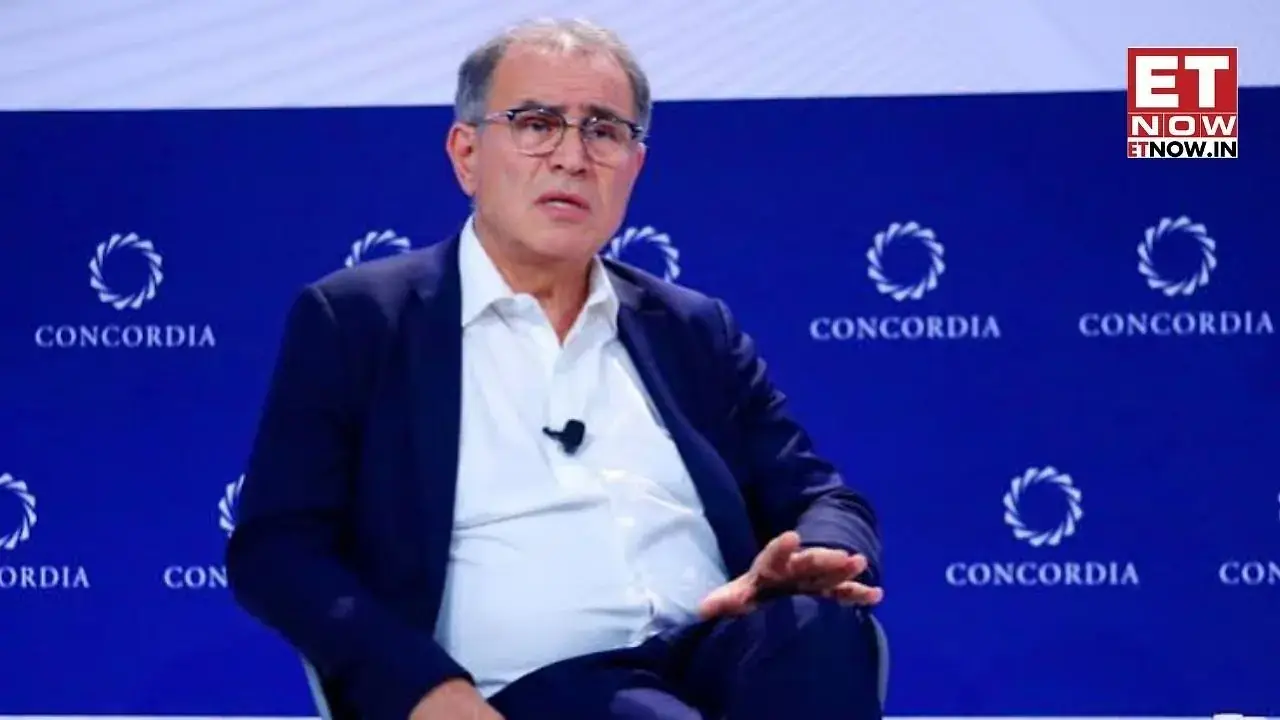
Economist Nouriel Roubini, widely known by the moniker "Dr Doom," stated in an interview with The Economics Times that India is entering a period of significant economic opportunity driven by shifts in global trade and geopolitical relationships. However, he warned that the country's current growth trajectory may be insufficient to meet its employment needs.
Roubini argued that India must move closer to 9 percent growth to ensure its expanding workforce finds enough productive jobs. He specifically noted that "Growth of 7% is not enough," emphasizing that strong headline GDP growth must translate into tangible employment opportunities for young people.
While describing India as "a major success story with the potential to become an even bigger one," Roubini highlighted that the nation could benefit from companies diversifying manufacturing bases away from China, improving access to global markets, and strengthening domestic demand. He believes that additional reforms could push India’s potential growth rate beyond 8 percent.
Geopolitical Shifts and Trade Dynamics
Roubini identified geopolitical changes as a primary factor creating an opening for India's economic rise. He stated that "China is increasingly considered risky," with corporate strategies like friendshoring and nearshoring encouraging companies to diversify their manufacturing operations.
He expects economic realities in the United States, such as inflation and affordability pressures, to encourage Washington to adopt a more constructive approach toward trade with India. Roubini stated that "Rationality will prevail" in these negotiations.
According to reports, the first phase of an India-US trade deal has been finalized and is currently undergoing legal drafting. An earlier framework had reduced tariffs on most Indian goods from 50 percent to 18 percent, while the latest framework places tariffs at around 9 percent.
Trade Data and Market Access
The shift in trade dynamics is reflected in recent export figures. Exports to the United States rose to $42.79 billion between April and August, compared with $40.39 billion in the corresponding period a year earlier, representing an increase of approximately 5.9 percent.
Structural Factors Supporting Growth
Roubini sees multiple factors supporting India’s growth prospects beyond immediate trade deals. These include its large domestic market, skilled workforce, and strong macroeconomic fundamentals. He also pointed to expanding digital infrastructure, energy investments, manufacturing incentives, and trade agreements with countries such as the UK as key drivers.
The Role of Manufacturing and Technology
Addressing employment challenges requires specific industrial focus. Roubini believes manufacturing industries such as electronics, automobiles, and textiles can play a central role in addressing these issues while increasing India’s participation in global production networks.
However, he highlighted that artificial intelligence is increasingly affecting both manual and cognitive work. This technological shift makes it harder to rely on a young population alone as a source of economic advantage, necessitating the industrial diversification he outlined.