

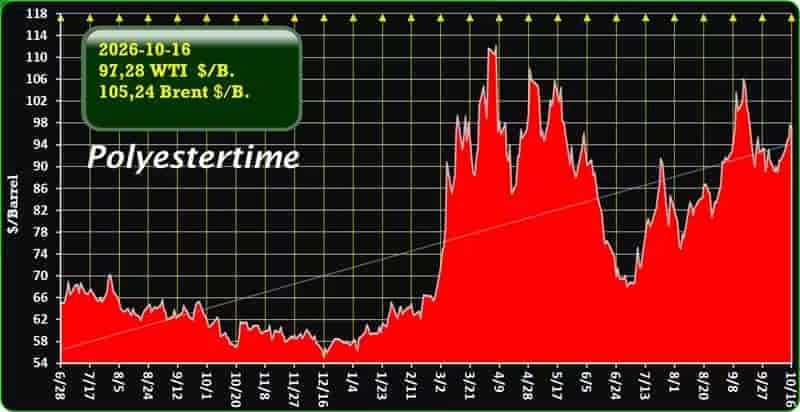

Crude Prices Surge Amid Geopolitical Friction
The global energy market experienced significant volatility on October 16, 2026, as ongoing military and diplomatic tensions between the United States and Iran drove benchmark crude oil prices to elevated levels. Brent crude was trading around $105 per barrel, while West Texas Intermediate (WTI) stood near $97 per barrel during this period of heightened geopolitical risk.
These price movements reflect market reactions to escalating risks associated with the conflict between Washington and Tehran. Energy analysts have been monitoring the posture of both nations, tracking how military posturing and maritime security threats influence the economics of global petroleum supply chains.
Divergence in Global Oil Benchmarks
The price disparity between the two primary benchmarks highlights their distinct market structures and geographic dependencies. Brent Crude serves as the international benchmark for approximately two-thirds of globally traded crude oil supplies. Its pricing is exceptionally sensitive to geopolitical shocks due to its reliance on maritime shipping lanes that intersect with Middle Eastern exports.
In contrast, WTI Crude functions as the primary benchmark for North American oil. It is tied to landlocked storage hubs, specifically Cushing, Oklahoma, and typically trades at a structural discount relative to Brent. This geographic distinction means WTI is less directly exposed to immediate maritime disruptions in the Middle East compared to Brent, though it remains influenced by broader global supply concerns.
Strait of Hormuz Vulnerability
A central factor in the current market anxiety is the strategic importance of the Strait of Hormuz. This waterway is identified as a critical vulnerability in the global energy infrastructure, handling a massive share of global petroleum liquids consumption. It acts as a primary artery for oil tankers moving from Middle Eastern producers to markets in Asia, Europe, and the Americas.
Escalating tensions between Washington and Tehran have intensified fears regarding the security of this chokepoint. Market participants are concerned about the potential for mining, blockage, or interception of commercial traffic through the Strait. Such disruptions would directly impact the flow of crude oil from major producers to global consumers.
Operational Costs and Insurance Premiums
Beyond physical supply risks, the geopolitical climate has increased operational costs for maritime transport. Marine insurance premiums have risen in response to the heightened threat environment. These additional costs contribute to the overall price of delivered crude oil, further amplifying the impact of the US-Iran conflict on global energy markets.
The combination of benchmark price divergence, chokepoint vulnerabilities, and rising operational expenses has created a tense reality for international commodity exchanges. As markets continue to recalibrate to account for these escalating risks, the stability of global petroleum supply remains closely tied to diplomatic developments between the United States and Iran.