

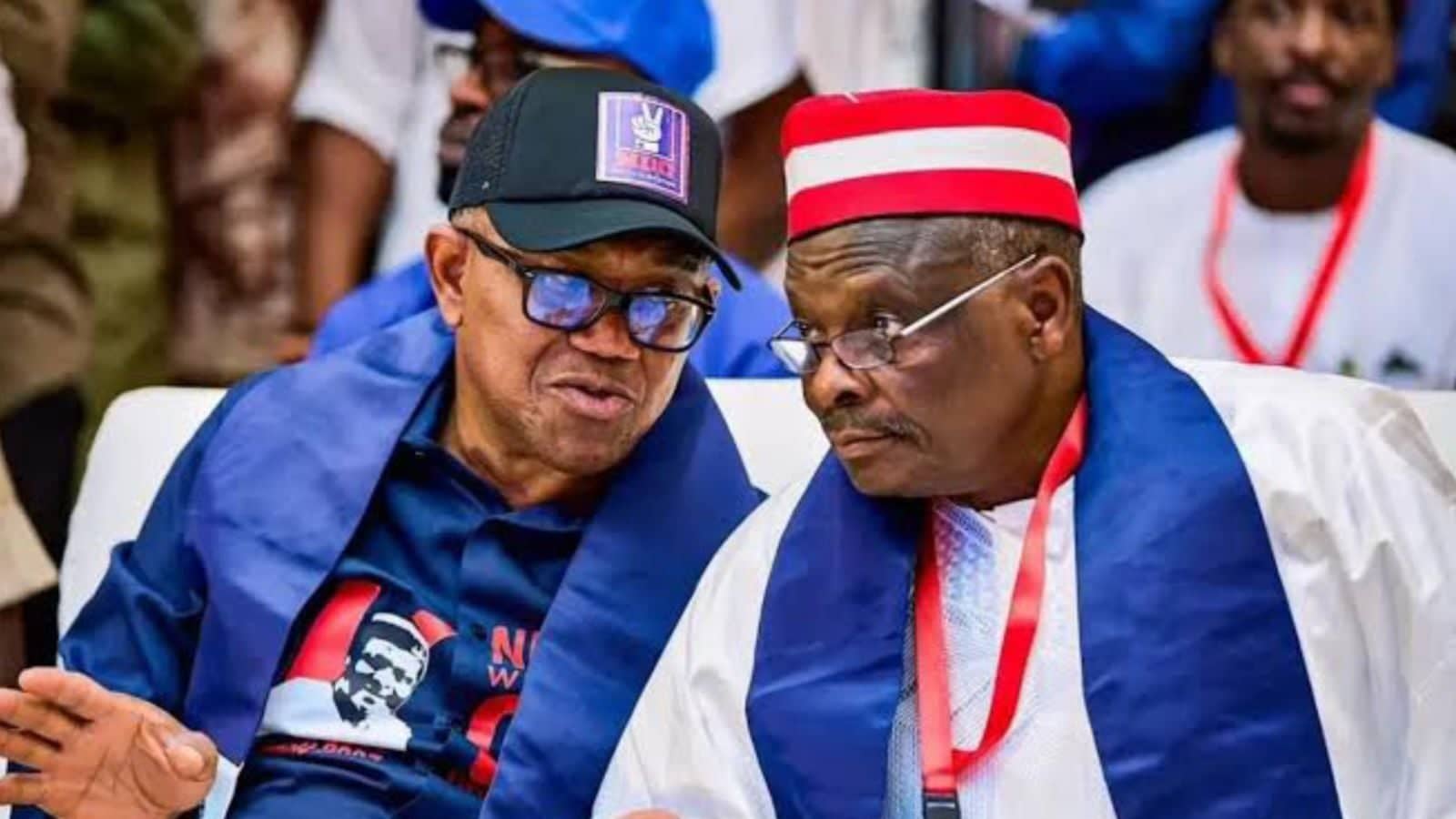

Denial of Internal Power Struggle
The camps of Peter Obi, the Nigeria Democratic Congress (NDC) presidential candidate, and his running mate Rabiu Kwankwaso have officially dismissed reports suggesting a brewing power struggle among their respective supporters. The denial addresses allegations concerning the composition of the party’s proposed 2027 presidential campaign council.
Officials from both camps issued statements to counter claims that loyalists of the two politicians were actively lobbying for strategic positions within the upcoming campaign structure. The dismissals came in response to reports indicating that consultations regarding the proposed council had generated tension among various stakeholders within the party.
Timing Amidst Campaign Preparations
The reports of discord emerged ahead of a critical deadline for the opposition party. According to available information, the activity by loyalists preceded the scheduled commencement of presidential and National Assembly campaigns on August 19.
Political observers noted that the period leading up to this date is typically characterized by intense organizational efforts. However, in this instance, the focus shifted to internal dynamics regarding leadership roles. The claims suggested that supporters were seeking to secure influence before the formal launch of the electoral activities.
Specific Allegations and Responses
Reports indicated that the alleged rift was specifically tied to the makeup of the campaign council. Sources cited in the reports claimed that factions aligned with Obi and Kwankwaso were competing for control over key strategic roles.
Despite these assertions, representatives from both camps rejected the narrative of division. The officials stated that the reports did not reflect the actual state of affairs within the NDC leadership structure. By dismissing the rumors, the camps aimed to present a unified front as they approach the campaign phase.
Context of Stakeholder Tensions
The denial follows widespread speculation about friction within the party ranks. It was reported that consultations over the proposed council were generating tension among stakeholders who have long been involved in the party's operations.
The NDC, formed through a merger of several opposition groups, has faced scrutiny regarding its internal cohesion. The formation of the campaign council is a pivotal step in preparing for the 2027 general elections. Any perceived disunity at this stage can have significant implications for the party's electoral strategy.
Impact on Campaign Structure
The proposed 2027 presidential campaign council is intended to oversee the party's electoral efforts. The composition of this body is critical, as it will determine the strategic direction of the campaign.
Loyalists from both camps were reportedly engaged in lobbying activities to ensure their preferred candidates secured positions within this structure. The intensity of these efforts fueled the rumors of a power struggle.
However, the official stance from Obi and Kwankwaso’s camps remains one of unity. By rejecting the claims of a rift, they seek to reassure party members and the public that the leadership is aligned in its goals for the upcoming election cycle.
Upcoming Campaign Launch
The dismissal of these reports occurs just days before the official start of the campaign season. The August 19 commencement date marks the beginning of formal presidential and National Assembly campaigns.
This timeline places significant pressure on the NDC to resolve any internal disputes quickly. The party must ensure that its organizational structures are firmly in place to support the candidates effectively.
As the date approaches, all eyes remain on how the NDC will present itself to the electorate. The resolution of these reported tensions, or at least their public denial, is a key component of the party's pre-campaign strategy.