

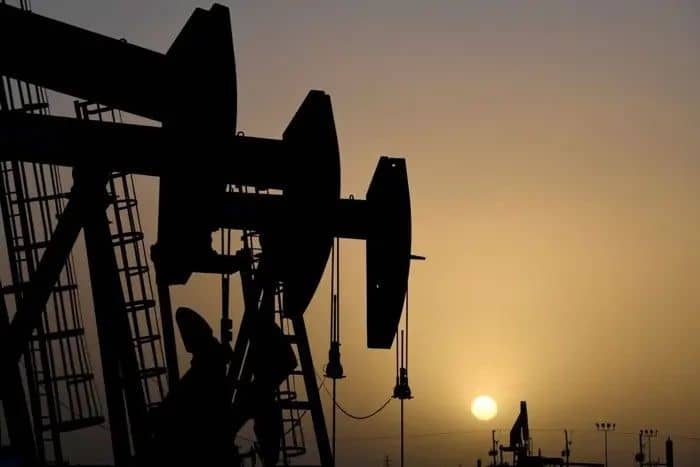

Market Outlook Points Toward Near-Term Recovery
The prevailing expectation within financial analysis circles indicates that the oil and gas (O&G) recovery cycle is anticipated to accelerate in the near future. This projection forms a central part of current economic forecasting regarding energy markets.
Institutional observers suggest that investors holding positions in O&G stocks must exercise selectivity when evaluating their portfolios. The advice stems from specific external pressures affecting market stability rather than internal operational failures within individual companies.
Market participants are monitoring the situation closely as they weigh these projected recoveries against immediate geopolitical headwinds.
Middle East Conflict Drives Price Volatility
A primary factor influencing current investor caution is the recent escalation of conflict in the Middle East. This development has introduced significant uncertainty into global supply chains and energy markets.
The ongoing hostilities have directly correlated with a rise in crude oil prices across major trading hubs worldwide. Market analysts attribute this price increase to specific fears regarding potential disruptions to established production flows.
Supply chain integrity remains the central concern for traders observing these market movements. The fear of logistical interruptions serves as the primary driver behind current valuation adjustments in energy sectors globally.
Economic Indicators and Regional Context
The economic landscape surrounding this sector includes broader regional developments that may influence recovery timelines. For instance, recent data from Malaysia indicates a significant expansion rate for its economy during the second quarter of 2026, with advance estimates revealing a growth figure of 5.8 percent.
This macroeconomic performance in Southeast Asia provides context for understanding how energy sectors operate within larger national economic frameworks that are currently expanding at double-digit rates relative to historical averages.
Global Investment Strategies and Risk Management
Risk management protocols among investors have shifted toward a more selective approach. This strategy prioritizes capital preservation while waiting for clearer signals regarding supply chain stability in the Middle East region.
The correlation between geopolitical instability in specific regions and commodity price fluctuations remains a critical variable in investment decision-making processes today.
Broader Economic Trends Influence Sector Performance
Beyond immediate energy concerns, broader economic indicators continue to shape investor sentiment. Recent reports highlight high-tech investments as a significant driver of growth within China's economy, described by some observers as shedding 'light' on the region's overall economic health.
Simultaneously, diplomatic and trade initiatives in Southeast Asia are targeting breakthroughs in marine economies. Hanoi has specifically set targets aimed at achieving these maritime economic advancements, suggesting a diversification of growth vectors beyond traditional fossil fuel dependencies.
Diversified Growth Vectors
While the O&G sector faces specific challenges related to supply fears and regional conflict, other sectors are demonstrating resilience through technological investment. The high-tech sector's performance in China serves as a comparative case study for how economies might pivot during periods of geopolitical tension.
The marine economy initiatives represent another avenue for economic expansion that does not rely on the same logistical vulnerabilities associated with crude oil transport routes near conflict zones.
Investor Sentiment and Market Mechanics
Sentiment among investors remains cautious despite projections of recovery. This sentiment is directly tied to the specific conditions in the Middle East, where supply disruptions are feared but not yet confirmed as occurring at a scale that would halt global production entirely.
Market mechanics suggest that prices will continue to reflect these worries until concrete evidence regarding supply chain integrity becomes available. The current price level acts as an insurance premium against potential logistical failures in the region.
Data Points and Forecasts
The timeline for recovery is described by analysts as 'later' rather than immediate, suggesting a phased approach to market normalization. This phrasing indicates that while acceleration is expected, full stabilization may require time following the resolution of current geopolitical events.
Investors are advised to maintain flexibility in their strategies given these forecasts. The combination of rising prices and selective investment advice creates a complex environment for portfolio managers navigating this sector.
The Role of Supply Disruption Fears
Fears over supply disruptions serve as the primary catalyst for current market behavior. These fears are rooted in historical precedents where Middle East conflicts have previously impacted global oil supplies, creating a psychological component to price formation that operates alongside physical supply data.
Market participants factor these risks into their models, leading to the observed rise in crude prices even before any actual disruption occurs. This phenomenon highlights the difference between anticipated events and realized economic impacts.
The Path Forward for Energy Markets
The path forward involves a careful balancing act between anticipating recovery gains and managing immediate risks from regional conflict. Investors must navigate this balance while adhering to principles of selectivity in their asset allocation decisions.
As the situation evolves, market data will continue to reflect the interplay between geopolitical events and economic fundamentals within the energy sector.