


Geopolitical Escalation Drives Energy Market Volatility
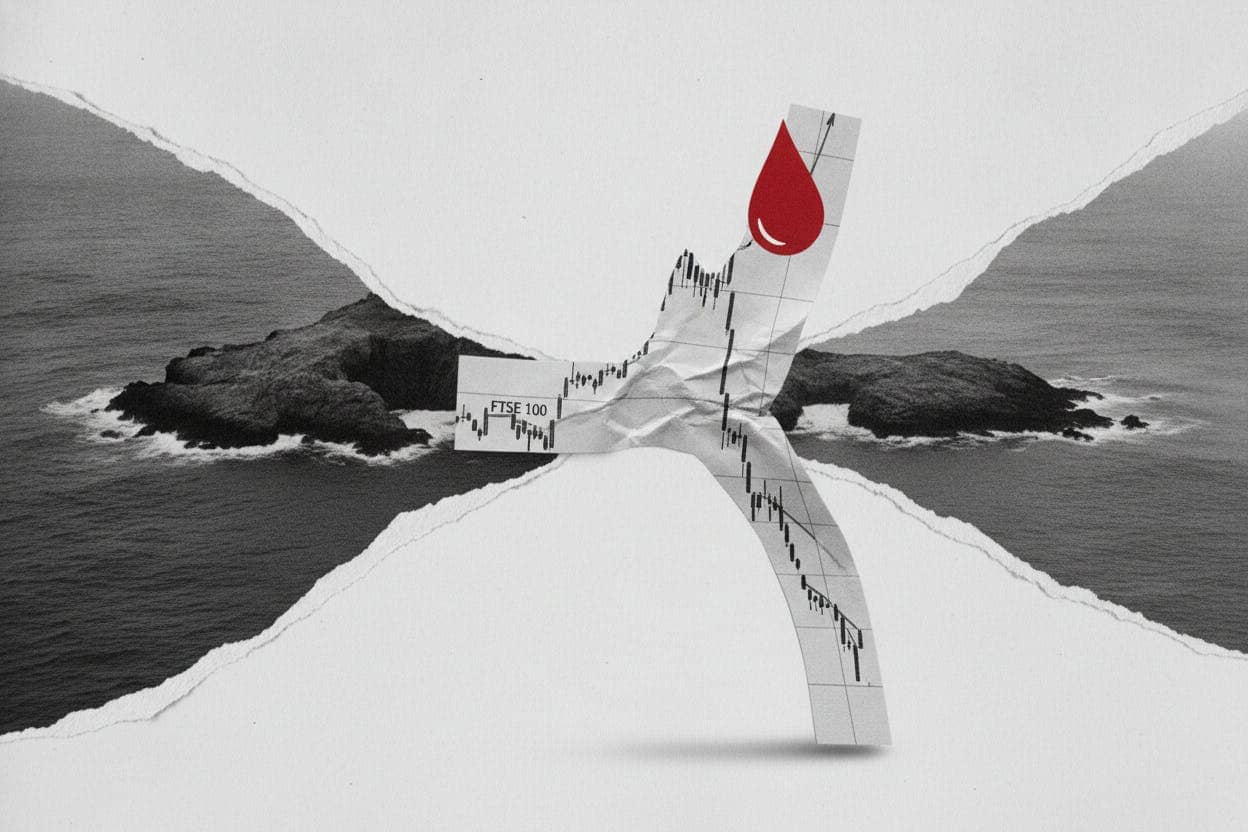
The FTSE 100 index slipped by 0.26% on Wednesday, continuing a period of pressure on UK equities as geopolitical tensions in the Middle East intensified. The decline occurred following renewed United States strikes on Iranian targets located near the Strait of Hormuz, a critical maritime chokepoint for global energy trade. According to MT Newswires, these military actions helped lift crude oil prices to levels not seen in more than one month.
The Strait of Hormuz serves as a primary artery for global crude shipments. Because of its strategic importance, even the threat of disruption in this region can cause rapid increases in oil pricing. The market reaction to the strikes was immediate, with traders interpreting the events primarily through the lens of an energy-supply shock rather than solely as a geopolitical narrative.
MT Newswires reported that the combination of military escalation and resulting commodity price spikes kept UK stocks on the back foot. The rise in oil costs introduces immediate risks to supply chains, potentially affecting the availability and cost of raw materials for industries dependent on global shipping routes through the strait.
Inflation Expectations and Monetary Policy Implications
The surge in energy prices has broader economic implications that extend beyond the commodity markets. Higher oil costs can seep into everyday consumer expenses, specifically increasing the price of fuel and shipping logistics. These rising operational costs contribute to an increase in near-term inflation expectations.
For investors, the link between energy prices and monetary policy is a key factor in market sentiment. Increased inflationary pressure reduces confidence in the Bank of England’s ability to implement interest rate cuts in the near future. If traders anticipate that inflation will remain sticky due to elevated energy costs, they tend to adjust their expectations regarding central bank policy, which can weigh on broad equity sentiment.
This dynamic creates a challenging environment for stock markets. The fear that higher inflation may delay or prevent interest rate reductions leads to a cautious outlook among investors. Consequently, the broader market trend has been negative, as the potential for sustained high costs dampens overall investor confidence in corporate earnings and economic growth prospects.
Corporate Performance Amidst Market Headwinds
Despite the overarching downward pressure on the FTSE 100 driven by macroeconomic factors, individual companies managed to achieve gains through specific corporate developments. These isolated successes highlight that company-specific news can sometimes override broader market trends.
Cairn Homes saw its stock rise following the release of strong first-half financial results and an announcement regarding a share buyback program. Similarly, Halma gained ground after confirming an acquisition, demonstrating how strategic business moves can attract investor interest regardless of external geopolitical pressures.
BP also managed to edge upward during the trading session. The energy giant’s performance was supported by news that it had made its interim chair permanent, a governance change that provided stability to the company’s leadership structure. These movements illustrate that while oil prices and geopolitical risks exert significant influence on the index, individual corporate fundamentals remain a critical driver of stock performance.
Market Interpretation and Future Outlook
Analysts and market observers are currently categorizing the situation as an energy-supply shock. This classification underscores the immediate concern regarding the physical flow of crude oil rather than just the political implications of the US-Iran conflict. The sensitivity of the Strait of Hormuz to disruption means that any further escalation could lead to additional volatility in oil prices.
The connection between these events and the FTSE 100’s performance is direct but complex. While BP held up relatively well due to its specific corporate news, the broader index was pulled down by the general risk aversion associated with rising energy costs. The market hit from such tensions is rarely limited to firms directly involved in oil extraction; it affects the entire economy through inflation and interest rate expectations.
As the situation evolves, investors will likely continue to monitor developments near the Strait of Hormuz closely. Any further military activity or disruption to shipping lanes could reinforce the current trend of elevated oil prices and suppressed equity sentiment. The interplay between geopolitical risk, energy costs, and monetary policy remains the central theme driving market behavior in this period.