

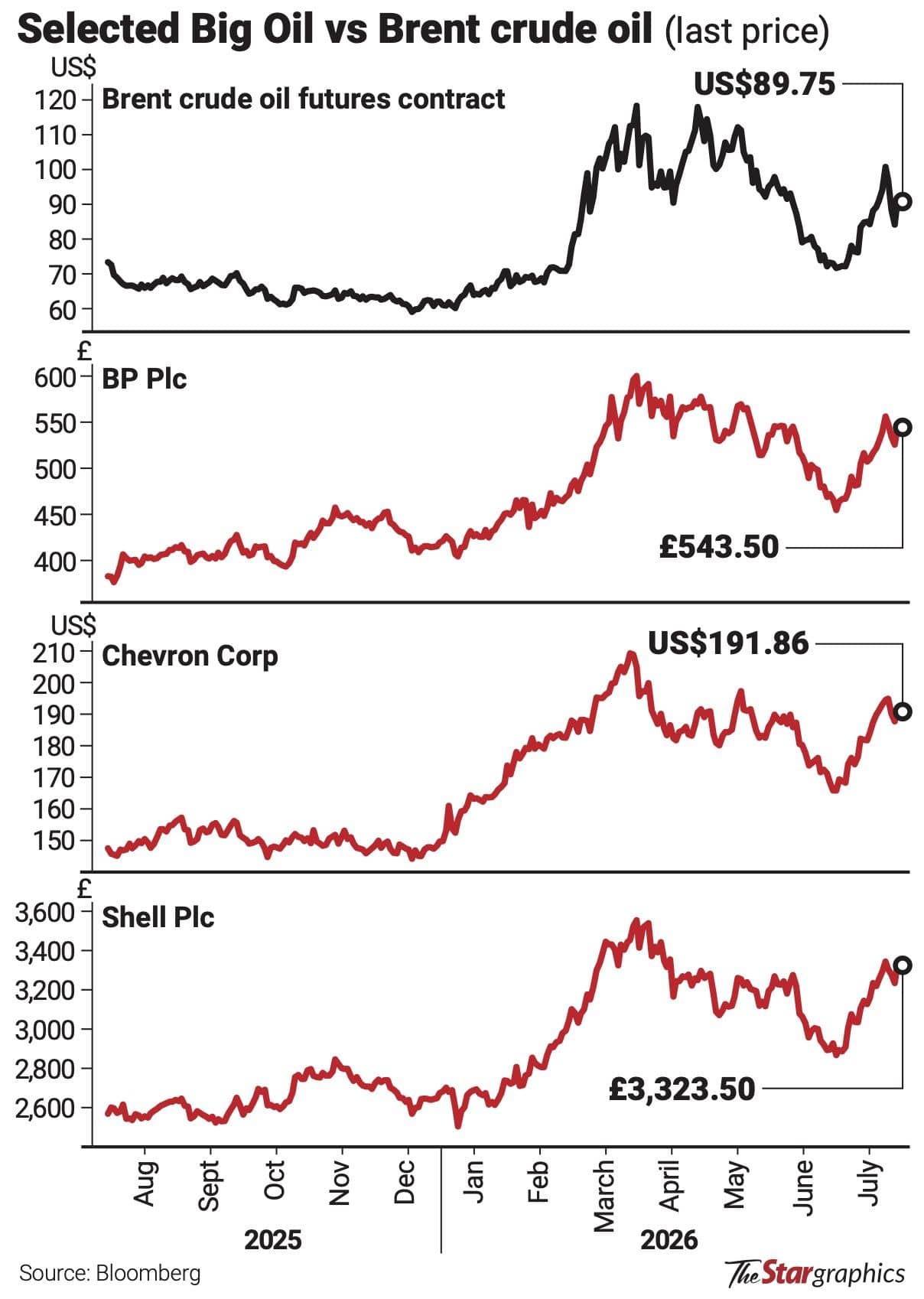

Geopolitics Takes Center Stage In Oil Market Dynamics
The global crude fuel market has experienced a fundamental shift in its primary drivers. Historically, the price of oil was determined by supply and demand fundamentals within the industry. Today, however, these markets find themselves at the mercy of geopolitical developments rather than purely economic calculations.
According to Kirennesh Nair writing for The Star on Monday, August 03, 2026, oil prices have become hostage to headlines. This transition marks a departure from traditional market mechanics where production levels and consumption rates dictated value.
The Impact Of Regional Tensions
Reports of renewed tensions in the Middle East have been observed to cause oil prices to surge immediately upon publication. The volatility seen in recent trading sessions is directly linked to news cycles rather than inventory reports or refinery capacity data.
Kirennesh Nair notes that on one day, specific reports regarding these regional conflicts send prices soaring. This reaction suggests a market hypersensitivity to political instability in key producing regions. The Middle East remains the focal point for such geopolitical developments due to its significant role in global energy supply chains.
Market Volatility Driven By News Cycles
The noise of oil prices is no longer just about barrel counts or shipping logistics; it has become a function of international relations and diplomatic friction. Headlines regarding political instability now carry the weight that previously belonged to quarterly earnings reports from major energy corporations.
As stated in the source material, one day, reports of renewed tensions in the Middle East send prices soaring. This phenomenon illustrates how quickly market sentiment can pivot based on external events unrelated to domestic production quotas or export tariffs.
The Role Of Media In Price Formation
The Star article highlights that oil markets today find themselves at the mercy of geopolitical developments. The speed at which information travels through news outlets means that a headline about diplomatic friction in one region can trigger immediate price adjustments globally before any physical supply disruption occurs.
This dynamic creates an environment where speculation plays a larger role than fundamental analysis might suggest. Traders are responding to the narrative presented by headlines, effectively allowing geopolitical events to dictate market costs regardless of actual inventory levels or consumption rates at that specific moment in time.
Analysis Of Current Market Sensitivity
The connection between news and price is described as a hostage situation where oil prices have become hostage to headlines. This phrasing underscores the extent to which non-economic factors now dominate market behavior. The traditional model of supply meeting demand has been complicated by variables that are difficult for economists or traders to quantify in advance.
Kirennesh Nair points out that these shifts happen rapidly. When a headline appears regarding renewed tensions, the financial markets react almost instantaneously. This reaction is not always based on verified data about oil spills, pipeline blockages, or refinery shutdowns, but rather on the perception of risk presented in news reports.
Implications For Global Energy Security
The reliance on geopolitical developments suggests that energy security policies must now account for diplomatic stability as much as they do physical infrastructure. Countries and companies dependent on stable oil prices face new risks associated with international conflicts or political maneuvering in the Middle East.
The article published by The Star emphasizes that this volatility is a defining characteristic of the current market environment. As geopolitical tensions rise, so does the likelihood of price fluctuations driven purely by news cycles rather than physical supply constraints.
Future Outlook Based On Current Trends
If reports continue to indicate that prices are soaring based on headlines alone, future pricing models will need to incorporate a higher premium for political risk. The Star notes this trend as an ongoing development in the energy sector. Market participants must now monitor international news feeds with the same diligence previously reserved for supply chain logistics.
Market Responses To Specific Events
The specific mechanism described involves reports of renewed tensions causing immediate price increases. This causal link is reported by Kirennesh Nair as a direct observation of market behavior during August 2026. The timing and location of these events are critical to understanding the magnitude of the price response.
Comparison With Historical Market Behavior
In previous decades, oil prices were more predictable based on OPEC production quotas or seasonal demand patterns. Today, as noted in the source text, markets find themselves at the mercy of geopolitical developments that can change without warning from one day to the next.