

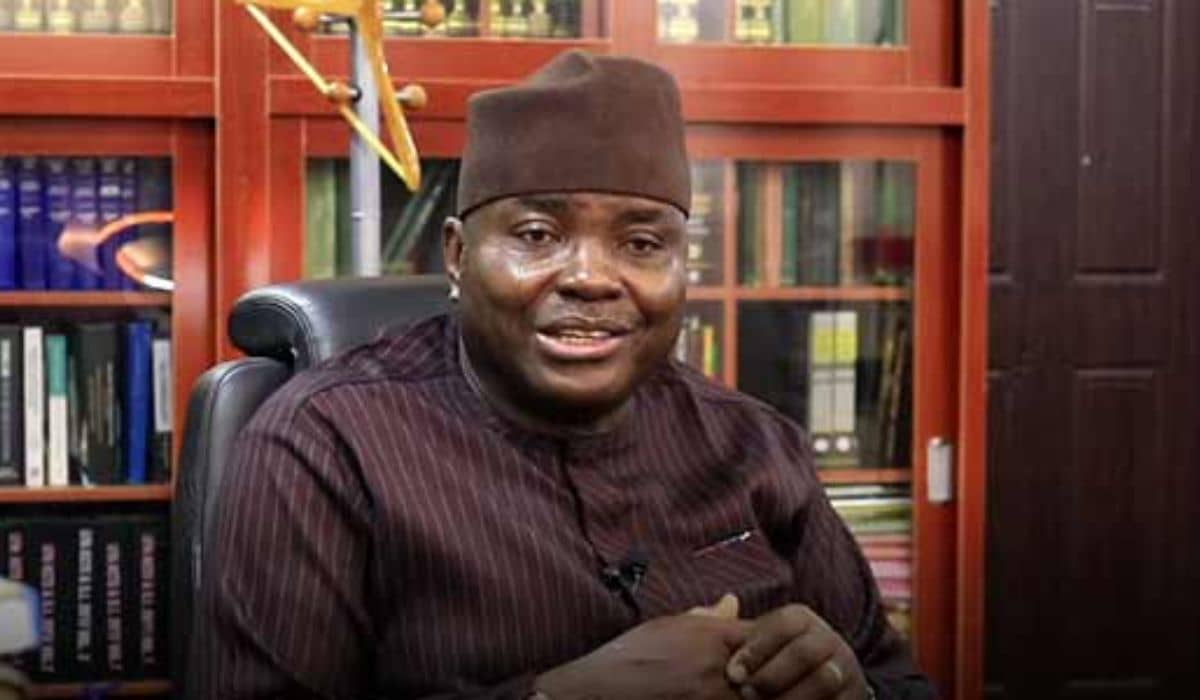

Okutepa’s Critique of Political Practices
Senior Advocate of Nigeria (SAN) Jibrin Okutepa issued a sharp criticism of the nation's political leadership in a post on X published on Wednesday, November 11, 2026. The commentary was released ahead of the upcoming 2027 general elections.
Okutepa stated that "Nigerians are in hell in their own country," accusing the political class of treating ordinary citizens as bargaining chips during the struggle for power. He argued that leaders abandon these citizens once their immediate political interests are settled.
In his post, Okutepa described the situation as a tragedy where the welfare of the people has been replaced by utility for political campaigns. He wrote that citizens have become tools for campaign materials, opposition slogans, and access to public office.
Okutepa quoted directly regarding this dynamic: "Their poverty provides campaign material. Their suffering supplies opposition slogans. Their votes open the doors to public office. Yet, once political interests are settled, their needs are too often abandoned."
Allegations of Shifting Principles and Betrayal
The senior lawyer lamented that the situation is exacerbated by influential voices and supposed champions of justice who find convenient reasons to support practices they previously condemned. Okutepa alleged that leaders, political opponents, and others exchange accusations before cameras but reconcile when their interests converge.
He stated that conduct described as oppressive in the past suddenly becomes acceptable when appointments, alliances, or access to power change hands. "Principles disappear where personal benefits begin," Okutepa wrote.
Okutepa criticized political opponents for burying promises of accountability when they reconcile after exchanging accusations before cameras. He called this behavior a betrayal, noting that those who once condemned certain practices now find convenient reasons to support them.
The Mechanics of Political Exploitation
Okutepa questioned why sacrifice is demanded of ordinary Nigerians while those in power protect their privileges. He noted that struggling traders, unemployed graduates, and workers are frequently told to adjust or exercise patience while the elite maintain their status.
He described a system that thrives on hardship, making hungry people vulnerable to inducement. Okutepa explained that communities desperate for amenities often exchange their independence for gestures presented as generosity. In this dynamic, what citizens should receive as a matter of public duty is advertised as a personal favour.
Historical Context and Calls for Accountability
Okutepa noted that politicians make empty promises to transform hell into heaven if elected. He queried the lack of progress since the return to democratic rule, asking, "But where is heaven on earth in Nigeria, after all these years since 1999?"
He took aim at those who excuse injustice because beneficiaries share their party, religion, ethnicity, or friendship. Okutepa stated that poverty does not become less painful because a familiar face inflicts it. He observed that those who were vocal against injustice yesterday are now defenders of the very unjust systems they attacked.
Okutepa called for citizens, professional bodies, labor organizations, religious institutions, and public commentators to maintain standards regardless of who holds power. He asserted that the Nigerian masses deserve a government that makes their lives better and advocates who will stand by them when doing so becomes inconvenient.
He emphasized that people deserve to be heard between elections, respected beyond campaign grounds, and protected from arrangements that perpetuate their misery. Okutepa concluded that the people are human beings with dignity, hopes, and rights, and that no political ambition, alliance, or private benefit can justify keeping them poor, powerless, and perpetually betrayed.