


Strait of Hormuz Remains Closed Despite Diplomatic Rebuff
Oman's refusal to impose tolls on passage through the Strait of Hormuz has not resulted in the reopening of the critical waterway. The diplomatic move, which involved a rejection of financial demands for transit, failed to alter the physical or operational status of the strait. According to reports, the waterway remains effectively closed to commercial shipping traffic that would normally rely on it for global energy transport.
The Strait of Hormuz is recognized as one of the world's most vital maritime chokepoints, through which a significant portion of the world's crude oil and liquefied natural gas passes daily. Its continued closure, despite diplomatic efforts, underscores the complexity of regional security challenges. The refusal by Oman to agree to toll structures was intended as a diplomatic lever, potentially aimed at de-escalating tensions or facilitating a return to normal operations. However, market indicators and ongoing reports suggest this action did not translate into immediate, unrestricted access for vessels.
The Strait of Hormuz continues to be a focal point of geopolitical tension, with its status remaining unresolved despite the Omani government's stance against monetizing passage. The persistent closure for commercial shipping highlights a significant disconnect between diplomatic overtures and the tangible reality of maritime navigation in the region. The inability of Oman's position to secure the reopening of the strait signals that the underlying issues preventing free passage extend beyond the imposition of transit fees.
Energy Markets Price in Continued Instability
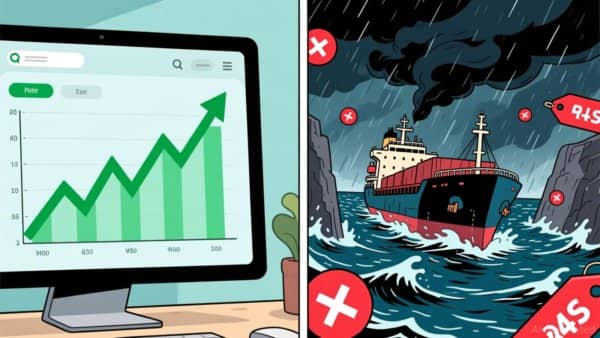
Financial markets have not responded to Oman's diplomatic position with a reduction in risk premiums. Crude oil prices continue to reflect the risks associated with a partial blockade of the Strait of Hormuz. This pricing structure indicates that traders and analysts view the threat to free navigation as persistent and active, regardless of Oman's official rejection of toll demands. The continued elevation of oil prices suggests that market participants are factoring in potential supply disruptions and increased transportation costs, treating the current situation as an ongoing state of instability rather than a temporary anomaly.
The global energy sector relies heavily on the unimpeded flow of oil through the Strait of Hormuz. When this flow is perceived as compromised, even partially, it introduces significant uncertainty into supply chains, leading to upward pressure on prices. The market's reaction demonstrates that the perceived security of this crucial artery for global oil trade is paramount, overriding specific diplomatic statements from individual regional actors. The geopolitical tensions surrounding the strait are thus directly translated into tangible economic costs for consumers and industries worldwide.
VLCC Freight Rates Signal Ongoing Risk
Very Large Crude Carrier (VLCC) freight rates remain elevated, staying priced for a partial blockade. These rates serve as a barometer for the perceived security of maritime routes, directly reflecting the costs and risks associated with transporting crude oil through the region. The continued high cost of shipping crude oil via VLCCs suggests that charterers and insurers are still accounting for significant hazards in the region, including potential delays, increased insurance premiums, and the possibility of rerouting vessels.
The persistence of these rates demonstrates that the market does not consider the strait to be safe or open for normal commercial operations. Even with Oman's public refusal to implement tolls, the underlying risk environment has not shifted enough to lower insurance costs or shipping fees. This sustained elevation in freight rates impacts the entire supply chain, ultimately contributing to higher delivered costs for crude oil and subsequently affecting global energy prices. The financial data points to a continued expectation of disruption or threat of disruption in the vital chokepoint, indicating that the market's assessment of risk remains high.
Market Indicators Diverge from Diplomatic Statements
The disconnect between Oman's diplomatic actions and market behavior highlights the complexity of the situation. While the Omani government has taken a firm stance against tolls, this has not alleviated the fears driving up energy costs. The Strait of Hormuz remains a bottleneck where geopolitical risks directly influence global commodity pricing, demonstrating that the market's concerns are rooted in broader security considerations rather than specific fiscal policies.
Observers note that crude oil prices and VLCC freight rates are currently aligned with scenarios involving a partial blockade. This alignment persists despite the lack of an actual toll system being enforced by Oman. The market's focus remains on the broader security environment, including the perceived threats to vessels and the potential for escalation, rather than the specific fiscal policies proposed by individual regional actors. This indicates that the market views the current state of affairs as a fundamental challenge to maritime security, requiring more than a diplomatic gesture to resolve.
No Immediate Change in Shipping Dynamics
Shipping lines and energy companies continue to operate under the assumption that the strait is not fully open. The refusal of tolls by Oman has not led to a surge in traffic or a normalization of shipping schedules. Instead, the status quo of risk remains embedded in the financial instruments used to trade oil and charter vessels, reflecting ongoing operational adjustments and heightened caution from maritime operators.
The situation underscores that diplomatic gestures alone have not been sufficient to restore confidence in the passage. The economic indicators, specifically crude prices and freight rates, continue to act as a proxy for the strait's operational status, reflecting a state of partial blockade rather than open commerce. This persistent market signal suggests that until tangible changes in the security landscape of the Strait of Hormuz occur, the global energy sector will continue to price in significant risks associated with its passage.