


Disputed Call Halts Potential Home Run
The Baltimore Orioles expressed strong dissatisfaction with an umpiring decision during their Wednesday night game against the New York Yankees, citing a controversial call on Pete Alonso that they believed should have been ruled a home run. According to reports from WTOP News, the incident occurred in the seventh inning when Alonso hit a deep fly ball toward left field. The trajectory of the ball, initially appearing to be a potential game-changing hit, immediately drew intense scrutiny from players and fans alike.
Umpires initially ruled the ball foul, a decision that instantly sparked debate on the field. The ruling was subsequently sent for review, a standard procedure in Major League Baseball for close plays. After a thorough examination of available video evidence, the ruling on the field was upheld. The Associated Press reported that the call stood after the review process concluded, confirming the ball had crossed the foul line before landing. This confirmation, however, did little to quell the brewing controversy for the Orioles.
The outcome of the call proved pivotal for the series standing between the two clubs. Multiple sources, including articles published by the Pottstown Mercury and the Daily Local, stated that the upheld foul call left the Orioles feeling aggrieved and directly contributed to the Yankees securing the series victory. The publications noted that the team was "fuming" over the decision, highlighting the profound impact a single play and its subsequent review can have on high-stakes competition.
A Pivotal Seventh-Inning Decision
The seventh inning is often a crucial juncture in baseball games, and the call on Alonso's drive magnified its importance. Had the ball been ruled fair and a home run, it could have dramatically altered the score and momentum, potentially shifting the outcome of not just that game, but the entire series. The Orioles' strong reaction underscores their belief that the decision directly deprived them of a critical advantage, turning a potential series-tying or winning scenario into a defeat.
Organization Pushes for Technological Intervention
In direct response to the contentious ruling, the Baltimore Orioles organization has formally called for the implementation of more technology in baseball to assist with determining fair and foul balls. This official request for enhanced technological aids was reported by WTOP News on August 20, 2026, signaling a significant push from the club for systemic change within Major League Baseball's officiating protocols.
The request follows a discernible pattern of disputes regarding boundary calls in Major League Baseball, where the speed of play and the precise location of a ball can be exceedingly difficult for human officials to judge definitively. The Orioles' stance indicates a clear desire for clearer, more objective mechanisms to resolve these borderline plays, which frequently carry substantial weight in determining game outcomes. By advocating for more technology, the organization is seeking to reduce reliance on subjective human judgment in situations where visual confirmation is difficult or highly disputed, aiming for a higher degree of accuracy and fairness.
The Growing Debate Over Boundary Calls
The controversy surrounding Alonso's foul ball is not an isolated incident but rather a prominent example in the ongoing debate within professional sports, particularly baseball, about the role of technology in officiating. While traditionalists often emphasize the human element of the game, incidents like this one fuel arguments for greater technological integration to ensure precision and minimize errors on critical plays. The Orioles' call adds significant weight to the argument that current review systems may not be sufficient for all types of boundary determinations, particularly those involving the foul lines.
Alonso's Immediate Frustration
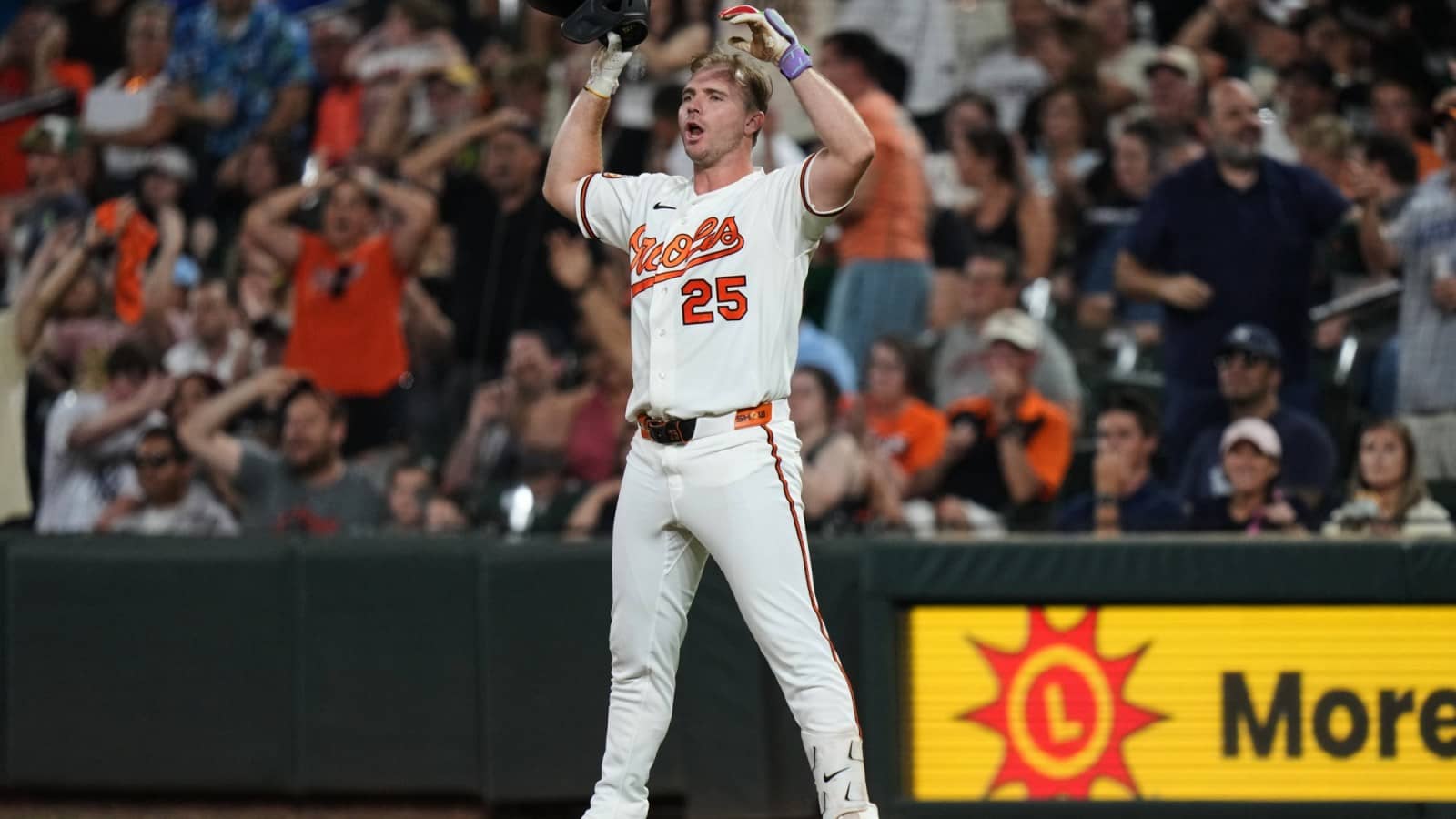
The immediate reaction from Pete Alonso, wearing jersey number 25, served as a powerful visual testament to the contentious nature of the call. Reports from the Daily Local included footage or descriptions of Alonso’s reaction to the initial ruling, highlighting the immediate frustration from the batter. His visible disappointment and protest on the field underscored the perceived injustice from a player's perspective, further amplifying the Orioles' subsequent formal complaint about the officiating.
Series Outcome and League Silence
Ultimately, the New York Yankees’ victory in the series was confirmed by reports across several regional outlets, including the Hazleton Standard Speaker. These articles consistently emphasized that the series conclusion was heavily influenced, if not directly determined, by the umpiring decision involving Alonso’s deep drive. The Orioles' official grievance highlights the lasting impact of the call on the team's season trajectory and their competitive standing.
As of the referenced reports, no immediate public response from the New York Yankees regarding the controversy was included in the provided source material. Similarly, there was no statement from Major League Baseball officials addressing either the specific call on Pete Alonso or the Baltimore Orioles’ formal request for technological changes. This silence from other key stakeholders leaves the Orioles' call for reform as a prominent, yet unanswered, demand within the league at the time of publication.