


Constituent Service as a Campaign Shield
In the high-stakes arena of midterm elections, where national trends often dictate local outcomes, Senators Jon Ossoff and Susan Collins have found an unexpected refuge in the mundane mechanics of governance. Both senators, widely viewed at the start of the cycle as their respective parties’ most vulnerable members, have leveraged routine duties—constituent services, disaster relief, and local project financing—to reshape their campaign narratives.
Their campaigns have played out differently than expected, diverging from the typical partisan warfare that characterizes modern Senate races. Instead of relying solely on national media attention or fundraising prowess, both Ossoff and Collins have emphasized their ability to help local communities directly. This strategy has proven particularly potent for Ossoff, who has gone from a top GOP target to a widely perceived favorite to defend the Senate seat Democrats cannot afford to lose.
Ossoff’s Ground Game in Georgia
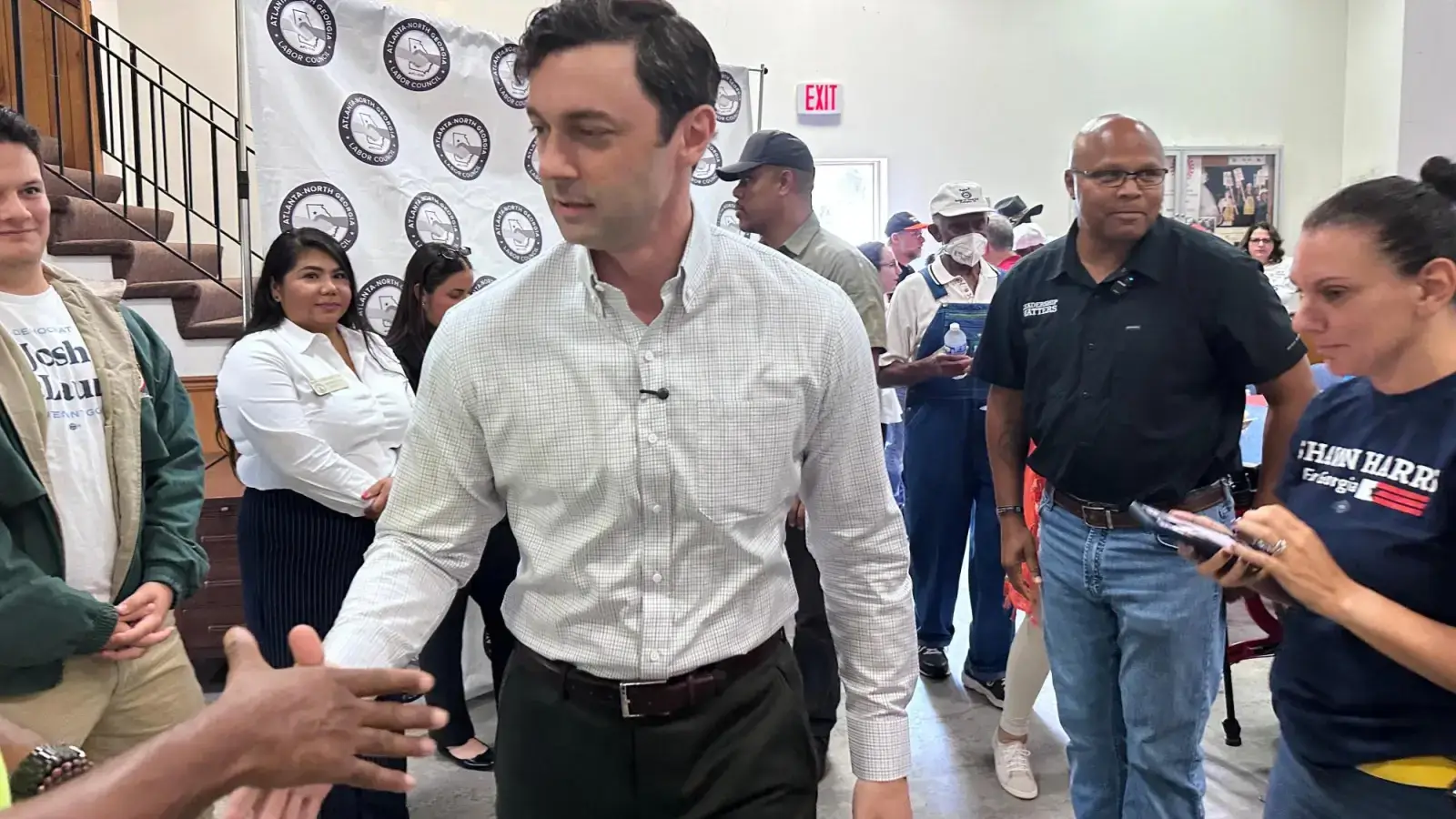
For Senator Jon Ossoff, the appeal of constituent service is not just theoretical; it is rooted in visible action. In the fall of 2024, following Hurricane Helene, Ossoff was the first high-ranking official on the ground in Valdosta, Georgia. He promised locals help with federal recovery assistance, a move that resonated deeply in a region devastated by the storm.
Ossoff’s approach to his reelection bid against Republican Rep. Mike Collins involves a rigorous schedule of direct engagement. At a recent campaign rally, Ossoff stated that he calls Georgia mayors, pastors, and farmers weekly to find ways to help. This commitment extends beyond disaster response. His aides note that he delivers on "constituent services" including federal appropriations, disaster assistance, and assisting voters with Social Security disability benefits or missing checks.
The tangible results of this work are evident in Valdosta. Mayor Scott James Matheson, a lifelong conservative, endorsed Ossoff earlier this year, praising his Hurricane Helene response. Ossoff recalled going block by block with the mayor and serving hot meals to folks who lost their homes during the hurricane. This personal touch has helped insulate Ossoff from attacks regarding his representation of Georgia.
Ossoff’s efforts have attracted endorsements from Republican officials, making it harder for Mike Collins to attack him as not representing Georgia. Beyond Valdosta, Republican Mayor Julie Smith endorsed Ossoff, explaining that he has been very good for south Georgia. Ossoff also points to money secured for a dialysis center in nearby Tifton, Georgia, as evidence of his effectiveness.
The impact of these services is personal for some voters. Courtney Eskew and her husband Joshua, who was injured during an Army tour in Afghanistan, are volunteering for Ossoff’s campaign after growing up in Republican households. Eskew stated that Senator Ossoff has been passionately vocal about VA funding and his office did everything needed when they called to advocate or ask questions about benefits.
Ossoff’s attention to detail extends to personal gestures as well. He sends surprise notes of congratulations or condolences to constituents, including aides of Republican elected officials. These small acts of constituent care have helped build a coalition that defies traditional partisan lines.
Collins’ Local Focus in Maine
Southeast of Ossoff’s territory, Senator Susan Collins is employing a similar strategy to navigate her reelection bid against Democratic former state legislative leader Troy Jackson. Collins, a five-term senator who is not related to Georgia Congressman Mike Collins, maintains a regular itinerary of local events.
As Senate Appropriations Committee chair, Collins has focused heavily on ribbon-cuttings and groundbreakings for projects she helped finance. This focus is central to her campaign messaging. A campaign ad for Collins features a voiceover claiming, "There’s not a community in Maine that can’t say Susan helped us."
For Collins, constituent services serve as a buffer argument against President Trump’s lagging popularity and her support for parts of his agenda. By highlighting her ability to deliver federal resources to Maine, she attempts to distance herself from the national controversies surrounding her party’s leadership.
Strategic Implications
The effectiveness of this local focus is recognized by strategists on both sides of the aisle. Republican Chris Hartline, a former top adviser at the National Republican Senatorial Campaign Committee, stated that while fundraising and national media attention matter, the ability to help local communities still matters.
This sentiment is reflected in the shifting perceptions of both races. A month from Election Day, Ossoff’s focus on constituent services has transformed his standing in Georgia. Meanwhile, strategists in both parties view Susan Collins’ race as a tossup, highlighting the competitive nature of her position despite her local efforts.
The contrast is stark when compared to other Republican incumbents. While Ossoff and Collins leverage routine duties for campaign appeal, Republican incumbents like Ohio Sen. Jon Husted are increasingly viewed as underdogs. This suggests that the ability to connect with constituents on a local level may be the deciding factor in several key Senate races.
As the election approaches, the narratives of Ossoff and Collins demonstrate that even in an era of nationalized politics, the traditional work of senators—helping individuals navigate federal systems and securing resources for their districts—remains a powerful tool. For Ossoff, this has meant building a broad coalition in Georgia. For Collins, it means maintaining her standing in Maine against a determined challenger.
Both senators are betting that voters care more about the tangible results of their work than the abstract debates of national politics. Whether this bet pays off will depend on whether constituents continue to prioritize local service over partisan alignment as they head to the polls in November.