

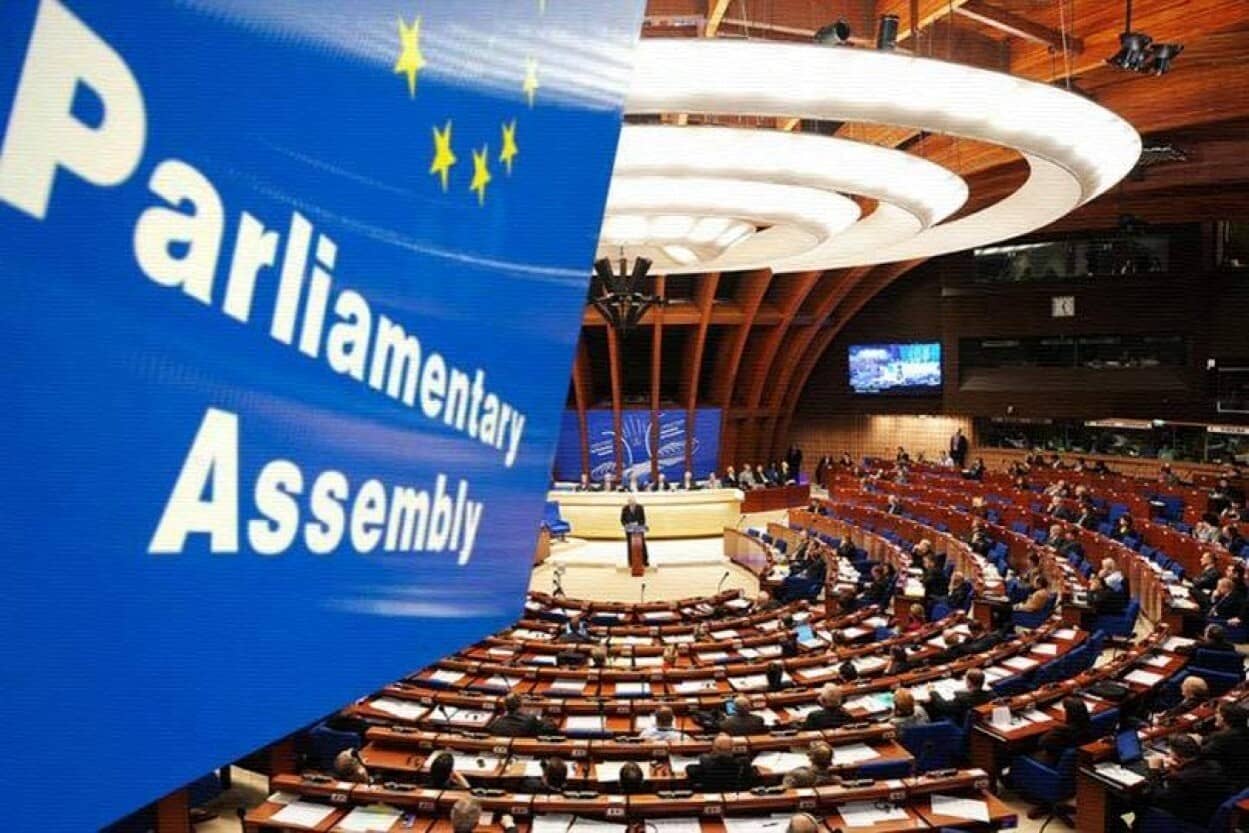

PACE Assessment of June 7 Elections
\nThe Parliamentary Assembly of the Council of Europe (PACE) published a report on Armenia’s parliamentary elections held on June 7, characterizing the process as \"competitive\" and noting that citizens had a \"genuine choice\" between different political forces. The observation mission described the election as well-organized and transparent, stating there were no serious incidents during the voting process.
\nDespite these positive assessments of the overall procedure, the report identified several serious problems requiring attention. PACE experts expressed specific concern over a post-election dispute involving the invalidation of voting results at polling stations 10/51, 35/65, and 12/13.
\nAccording to the report, PACE experts stated that if votes from those specific stations had been counted, the opposition Prosperous Armenia party could have crossed the four percent threshold necessary to win seats in parliament. The assembly criticized the Central Election Commission (CEC) for its handling of the situation, describing the CEC's decision as \"unsatisfactory\" because it lacked serious justification.
\nDamien Cottier, the report author, stated that authorities should base such decisions on strong, transparent, and verifiable grounds. The CEC had previously stated that the annulment of results at these polling stations did not affect the overall election outcome and decided not to hold repeat voting there.
\n\nAllegations of Foreign Interference and Administrative Issues
\nThe PACE report highlighted broader geopolitical pressures affecting the electoral environment. The assembly stated that interference by the Russian Federation and foreign information operations in a Council of Europe member state has reached \"unprecedented levels.\" The report alleged that Russia used economic restrictions and tough diplomatic rhetoric to influence results in favor of pro-Russian opposition.
\nOther identified problems included the abuse of administrative resources, biased coverage on public television and key opposition media outlets, and bureaucratic delays. These delays prevented some Karabakh Armenians from obtaining citizenship and voting. The assembly also cited geopolitical pressure as a factor influencing the electoral context.
\n\nRecommendations for Electoral Reform
\nIn response to these findings, PACE called on Armenia to amend its electoral code to clearly require repeat voting whenever a political force's right to representation is in question. The assembly recommended establishing clear thresholds and procedures for such cases.
\nThe report included several other recommendations aimed at strengthening the integrity of future elections. These measures include strengthening resilience against Russian information operations and economic pressure, broadening the range of people who can challenge electoral disputes in court, and extending appeal deadlines.
\nFurther recommendations called for ensuring independence in appointing electoral commission members, regulating the use of administrative resources, ending selective prosecution of opposition figures, and guaranteeing compensation for violations.
\n\nDomestic Reaction to the Report
\nArmenian journalists noted that political actors within the country have selectively presented PACE’s assessment to the public. According to Factor TV, ruling party and opposition MPs highlighted