

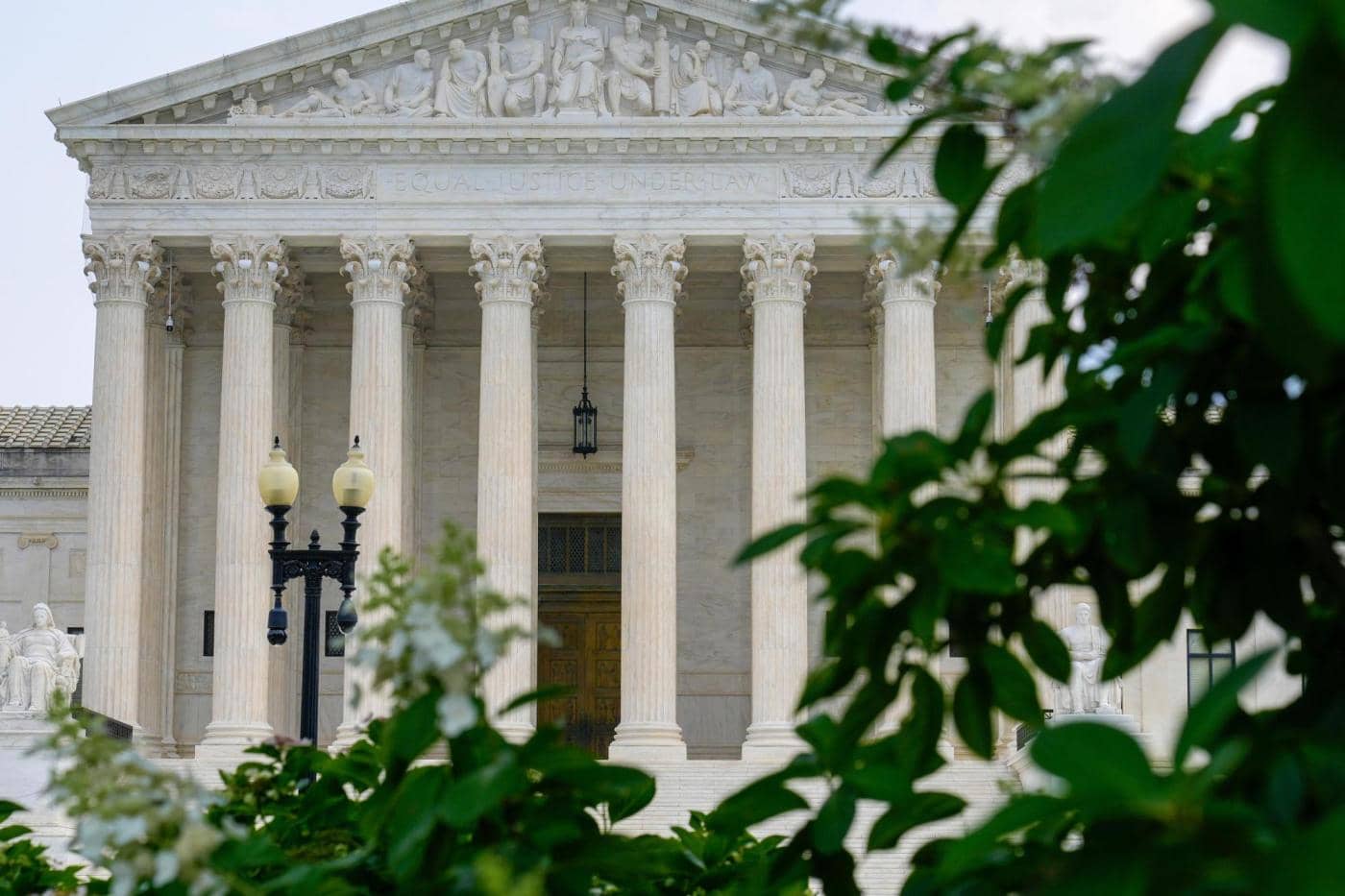

Emergency Request Filed With U.S. Supreme Court
Palestinian authorities have submitted a formal request to the United States Supreme Court asking judges to halt execution of a $656 million judgment immediately.
The filing was characterized by officials as an emergency appeal intended to preserve the status quo while higher courts consider pending arguments. This procedural move occurred after a lower federal court reinstated damages that had previously been vacated or altered following earlier Supreme Court decisions in the same case docket.
According to reports from multiple news outlets covering national politics, including The Associated Press and local publications such as Troy Record and Fort Morgan Times, the specific request was made on Thursday. Legal representatives for Palestinian authorities stated that stopping enforcement is necessary because the final resolution of their legal claims remains undecided at this stage.
The litigation process has been active in federal courts for a period exceeding two decades. During this extended timeline, various rulings have altered the scope and amount of damages awarded to plaintiffs before reaching the current monetary figure under consideration by Washington judges.
Origins Of The Lawsuit And Damages Amount
The underlying legal action originated from incidents involving attacks in Jerusalem that took place during the early 2000s. These specific events resulted in a confirmed death toll of 33 individuals, according to documentation filed within the case records.
Plaintiffs involved in the suit are identified as victims directly affected by those historical incidents. The lawsuit seeks financial redress associated with these deaths and related harms suffered during that timeframe.
The current judgment amount stands at $656 million, a figure reinstated by a lower appellate court after reviewing previous Supreme Court precedents set in similar sovereign immunity or foreign official liability contexts over the last twenty years. This specific dollar value represents the latest calculation of damages approved for enforcement before this most recent intervention.
Palestinian representatives argue that proceeding with payment while their appeal is pending would cause irreparable harm to public funds and diplomatic relations. They contend that a final judgment cannot be enforced until all available judicial avenues, including Supreme Court review, have been exhausted or resolved by the highest court in the nation.
Procedural Context And Judicial History
The case history reflects complex interactions between lower federal courts and the U.S. Supreme Court over an extended period. Earlier decisions from the high court influenced how damages were calculated and whether they could be enforced against state or foreign entities involved in the litigation.
Following those earlier rulings, a subsequent decision by a different level of judiciary restored the $656 million figure to active status for potential enforcement. This restoration prompted the current emergency filing seeking temporary suspension from Washington justices.
The Supreme Court has not yet issued a ruling on this specific request to halt proceedings or modify the pending appeal schedule. Legal analysts note that such requests often require urgent attention when lower court orders are already set for execution, but outcomes depend entirely on how appellate judges weigh procedural fairness against finality of judgment principles.
Opposing parties in similar cases have historically argued that once a Supreme Court decision establishes legal precedent or vacates damages, those decisions stand until explicitly overturned. However, proponents of the current appeal maintain that equitable considerations require courts to pause enforcement when significant factual disputes remain unresolved at higher levels.
Potential Implications For Future Litigation
The outcome of this emergency request could set procedural precedents for other cases involving sovereign immunity claims or foreign official liability in federal court. If the Supreme Court grants a stay, it would temporarily prevent collection efforts while appellate review continues.
Conversely, if the justices deny the motion to halt enforcement, lower courts may proceed with payment mechanisms despite ongoing appeals. Such outcomes could influence how plaintiffs structure future filings seeking damages related to historical events involving foreign governments or their representatives.
The timeline for resolution remains uncertain as both sides prepare arguments regarding whether immediate relief is warranted given the length of prior litigation and the magnitude of financial stakes involved in this particular dispute over Jerusalem-related incidents from more than twenty years ago. Legal experts suggest that procedural rulings on stays often hinge heavily on whether lower court orders are deemed reversible pending higher review or if they represent final determinations requiring enforcement.