

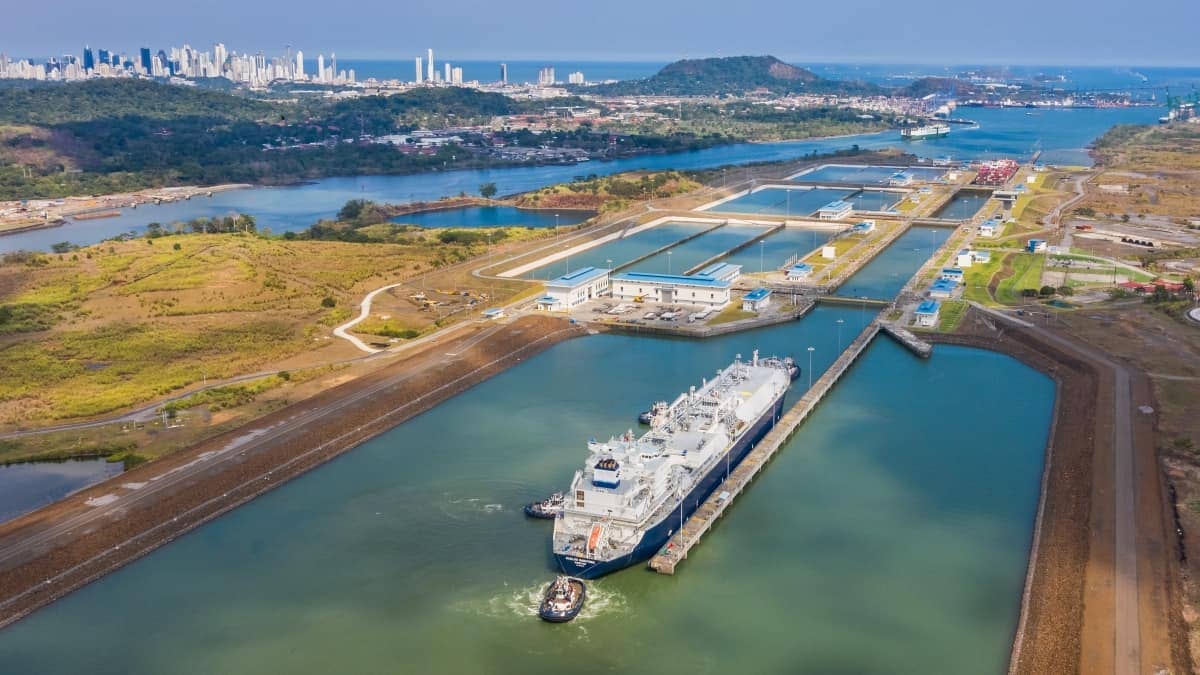

South Korean Shipper Sets New Toll Benchmark
A South Korean gas shipper has established a new record for a single transit through the Panama Canal, paying an auction price of $5.3 million. This figure represents the highest toll ever recorded for a single trip through the crucial waterway, according to reports from FreightWaves. The record payment underscores the extraordinary lengths some companies are willing to go to secure passage through one of the world's most vital maritime arteries.
The transaction occurred as canal officials prepare for upcoming traffic restrictions, which are a direct consequence of ongoing environmental challenges. The record bid highlights the intense competition for passage during a period marked by significantly constrained capacity and heightened global demand for energy supplies, particularly liquefied natural gas (LNG).
Auction Dynamics and Total Costs
While the auction price for this unprecedented transit reached $5.3 million, Canal officials noted that the total cost for the transit will ultimately be higher than this final bid amount. The specific components contributing to the difference between the auction price and the total bill were not detailed in the available reports, but typically, a vessel's total transit expenses include various fees beyond the base toll, such as pilotage, tug services, and other administrative charges.
The auction process itself, which allows shippers to bid for priority slots, underscores the immense strategic value assigned to canal passage by energy importers. South Korean shippers, among others, have increasingly relied on the Panama Canal to transport liquefied natural gas (LNG) from the United States Gulf Coast to burgeoning Asian markets. This route offers a significantly shorter and more efficient alternative, bypassing the much longer and more costly journey around Cape Horn at the southern tip of South America, which can add weeks to transit times and incur substantial fuel expenses.
Operational Constraints Drive Bidding Competition
The record-breaking toll comes amid looming traffic restrictions implemented by the Panama Canal Authority (ACP). These restrictions are a direct and necessary response to ongoing drought conditions that have severely lowered water levels in Gatun Lake. Gatun Lake is not only a critical part of the canal's navigation system, forming a major section of the waterway, but also serves as the primary source of fresh water required for the operation of its lock systems, which lift and lower vessels across the Isthmus of Panama.
To manage the reduced water availability and ensure the canal's long-term operational sustainability, the authority has imposed several measures. These include draft restrictions on vessels, limiting the maximum depth to which ships can be loaded, and significantly reducing the number of daily transits allowed through the canal. These measures have collectively created a severe bottleneck, forcing shippers to compete aggressively, often through high-stakes auctions, for the limited available slots and capacity.
Impact on Global Energy Logistics
The high auction price paid by the South Korean gas shipper directly reflects the broader pressure on global energy supplies and the critical role the Panama Canal plays in their distribution. As demand for natural gas remains robust in international markets, particularly in Asia, the ability to secure timely and reliable transit through the canal has become an increasingly critical logistical factor for energy security and market stability.
FreightWaves reported that the auction price soars as the waterway prepares for further access restrictions, signaling growing concerns among shippers. The situation vividly illustrates how environmental challenges at the canal, such as prolonged drought, can directly and profoundly influence global freight costs, disrupt established supply chain planning, and ultimately impact the cost of energy for major consumers worldwide.
Market Response to Capacity Limits
Shippers facing these unprecedented operational constraints have increasingly turned to the canal's auction system to secure passage during peak demand periods or when facing tight delivery schedules. The willingness of a South Korean gas shipper to pay an extraordinary $5.3 million indicates the substantial premium placed on reliability, speed, and assured delivery in the current volatile market environment. For LNG carriers, delays can mean missed delivery windows, contractual penalties, and significant financial losses.
The record toll is not an isolated incident but rather part of a discernible trend of rising transit costs driven by persistent operational limitations stemming from water scarcity. Canal officials have repeatedly warned that water levels could remain low for an extended period, potentially leading to further adjustments in transit pricing, scheduling, and even the types of vessels that can traverse the canal, necessitating long-term strategic adjustments from global shipping lines.
Broader Implications for Maritime Trade
The $5.3 million record sets a new and unprecedented benchmark for the cost of maritime logistics through one of the world’s most critical trade arteries. The Panama Canal handles approximately 6% of global maritime trade, facilitating the movement of a vast array of goods, from agricultural products and manufactured goods to raw materials and, crucially, energy supplies. Its operational efficiency and accessibility are therefore key indicators for the health and fluidity of international commerce.
Such high transit fees may prompt shippers to seriously reconsider their established routing options or adjust their inventory strategies to mitigate the escalating risk of delays and increased operational costs. For energy importers in Asia, whose economies are heavily reliant on stable and affordable energy supplies, the reliability of the canal remains a vital component of their supply chain resilience and strategic planning, influencing decisions on long-term contracts and infrastructure investments.
Future Outlook for Canal Operations
Canal authorities continue to closely monitor water levels and actively implement various measures to maintain operations within sustainable limits, balancing immediate transit demands with long-term environmental stewardship. The delicate balance between maintaining a robust transit volume, which is crucial for global trade and the canal's revenue, and preserving sufficient fresh water resources for both operations and local communities, remains a central and evolving challenge for the institution.