


Legislative Passage and Final Amendments
A federal budget tax package approved by Labor passed through parliament on Thursday afternoon, concluding a legislative process that included significant modifications at the eleventh hour. The overarching bill, which establishes a worker tax offset, an instant deduction for assets, curbs on negative gearing, and a new method for calculating capital gains taxes, received final approval from lawmakers.
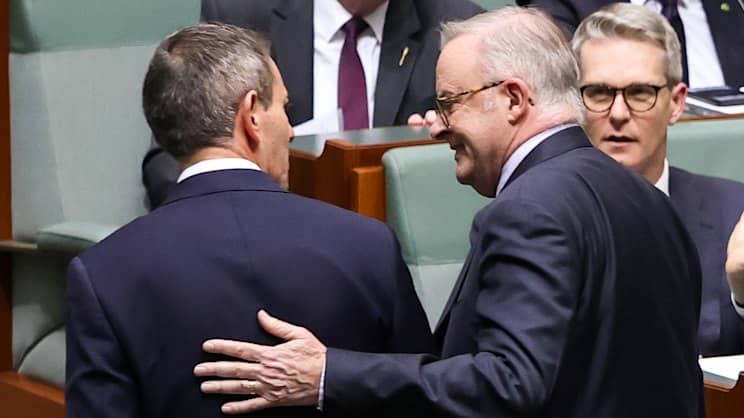
Treasurer Jim Chalmers and Prime Minister Anthony Albanese departed the House of Representatives to applause from Labor MPs following the vote. The passage of the primary legislation was contingent upon a last-minute concession regarding property transfers for widows and divorcees, a provision often referred to in media reports as the "widow tax."
The government agreed to crossbench senator David Pocock’s request to ensure that widows and divorcees retain grandfathered access to capital gains and negative gearing tax concessions when property is transferred. This carve-out prevents these individuals from losing existing tax benefits due to the changes introduced in the budget.
Timeline of Legislative Changes
The inclusion of the widow protection clause marks the fifth substantial change Labor has made to its tax legislation since handing down a contentious budget earlier in the month. The government outlined a series of adjustments made to address concerns raised during the legislative process.
Initially, the government excluded discretionary trusts used for estate planning from the proposed tax changes. This move was described as a response to a Coalition scare campaign regarding a so-called "death tax." Subsequently, the government extended exemptions for small businesses with a turnover of up to $10 million and proposed an "innovative business tax concession" specifically for start-ups.
Earlier in the week, the government tightened a loophole related to how investment properties are treated under the new tax framework. Despite these multiple revisions, the specific carve-out protecting widows and divorcees will not be included in the immediate legislation. That provision is scheduled to be legislated separately later this year.
Components of the Approved Tax Package
The bill that passed parliament contains several core economic measures designed to alter the tax landscape for workers, businesses, and property investors. The legislation introduces a worker tax offset intended to provide relief to employees, alongside an instant deduction mechanism for business assets.
Significant changes were also enacted regarding property investment. The bill imposes curbs on negative gearing, a tax arrangement that allows investors to deduct losses from their rental properties against other income. Additionally, the legislation establishes a new method for calculating capital gains taxes, which will affect how profits from the sale of assets are taxed.
The approval of this package follows a period of intense negotiation between the government and crossbench senators. The final agreement required the government to address specific concerns about the impact of tax reforms on vulnerable groups, particularly those undergoing property transfers due to divorce or bereavement.
Political Context and Opposition
The legislative process was marked by opposition from the Coalition, which had previously campaigned against certain elements of the budget. The government’s decision to exclude discretionary trusts from tax changes was a direct response to this opposition, aiming to mitigate political pressure regarding estate planning taxes.
Crossbench senator David Pocock played a pivotal role in the final stages of the bill’s passage. His push for the widow and divorcee protections resulted in the last-minute amendment that allowed the broader tax package to proceed. The government’s willingness to make this concession highlights the dependency on crossbench support to pass key economic legislation.
The tax package represents a significant shift in fiscal policy, with multiple adjustments made to balance political pressures with economic objectives. The separation of the widow protection clause from the main bill indicates a phased approach to implementing these complex tax reforms.