


Avian Vocalizations Draw Attention
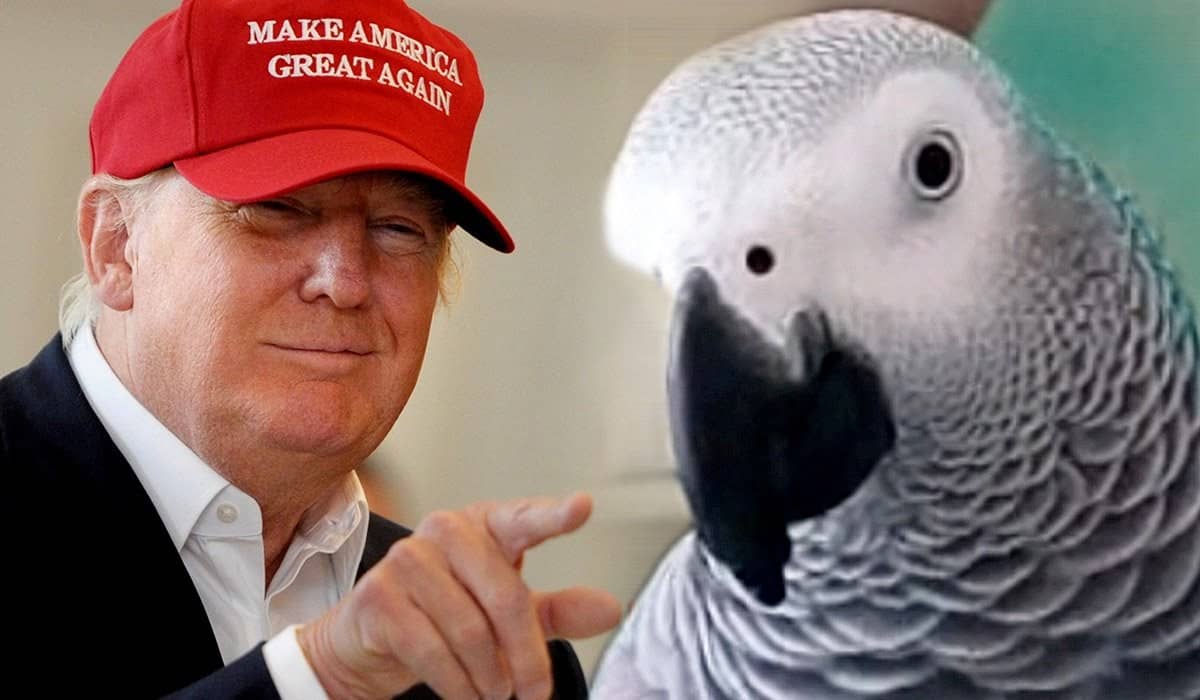
A domestic parrot has become the subject of media reports after reportedly using explicit language directed at former President Donald Trump. The incident involves a pet named Lucky, whose owner, identified as Marie, stated that the bird vocalizes specific political phrases when certain figures appear on television screens.
According to reports from Metro, the parrot called Trump a ‘w**ker’ when his image came on the TV. The publication noted the event under its UK news section, highlighting the unusual nature of the avian behavior. The report did not provide additional details regarding the specific setting in which the television was playing or the context of the broadcast at the time of the vocalization.
The incident has been characterized by the owner as part of a broader pattern of political expression by the bird. Marie described Lucky as being "very vocal about American politics," suggesting that the outburst was not an isolated event but rather consistent with the parrot's general behavior regarding political figures and parties in the United States.
Political Affiliations Displayed by Pet
The reports indicate that Lucky’s political leanings are explicitly demonstrated through its vocal repertoire. In addition to the comments directed at Trump, Marie reported that the parrot has been heard shouting "up the Democrats." This phrase indicates a supportive stance toward the Democratic Party, contrasting with the derogatory language used regarding the former Republican president.
Metro’s coverage of the event focused on the juxtaposition of the animal’s behavior with high-profile American political figures. The article did not include commentary from political analysts or ornithologists regarding the implications of such vocalizations in birds. The report relied solely on the account provided by Marie, who serves as the primary source for the claims regarding Lucky’s vocabulary and political alignment.
The description of Lucky as "very vocal" implies a frequency of these political utterances. However, no specific timeline or date was provided for when the bird first began displaying these behaviors or how often they occur. The report does not specify whether the parrot mimics these phrases in response to human interaction or if they are spontaneous vocalizations triggered by visual stimuli on the screen.
Owner’s Account of Avian Behavior
Marie, the owner of the parrot, is the sole source cited in the available reports for the claims regarding Lucky’s political commentary. Her account establishes the link between the bird’s actions and specific American political entities. The report notes that the parrot’s reactions are tied to visual cues from television broadcasts.
The use of the term ‘w**ker’ by the parrot was reported as a direct response to Trump appearing on the TV. The spelling in the source text uses asterisks to censor the final letters of the word, preserving the original formatting of the Metro article. No explanation was provided for how the parrot acquired this specific vocabulary or whether it was taught by humans or learned through environmental exposure.
The report does not mention any reactions from Donald Trump’s camp, the Democratic Party, or other political organizations regarding the incident. Similarly, no response was sought from animal behavior experts to explain the mechanism behind such politically charged mimicry in parrots. The article remains focused on the factual account provided by the owner and the subsequent media coverage of the event.
Media Coverage and Public Interest
The story was picked up by Metro, a UK-based news outlet, which categorized the event under its News and Politics sections. The publication’s framing of the story highlights the intersection of domestic pet behavior and international political figures. The article did not include interviews with other pet owners or data on the prevalence of politically themed vocabulary in captive birds.
The report serves as a record of the owner’s claims regarding Lucky’s behavior. It does not verify the accuracy of the parrot’s vocalizations beyond the owner’s testimony. The incident underscores the capacity of certain bird species to mimic complex human speech patterns, including those with political or offensive connotations, though the specific triggers and learning processes remain unverified by scientific sources in this report.
Marie’s description of Lucky as very vocal about American politics provides context for the incident but does not offer a comprehensive analysis of the bird’s cognitive abilities or political understanding. The reports focus on the novelty of the event rather than its broader implications for avian intelligence or political discourse. The story concludes with the owner’s account of the parrot’s demonstrated preferences, leaving further interpretation to the reader.