


Obi’s Stance on Exchange Rate Policy
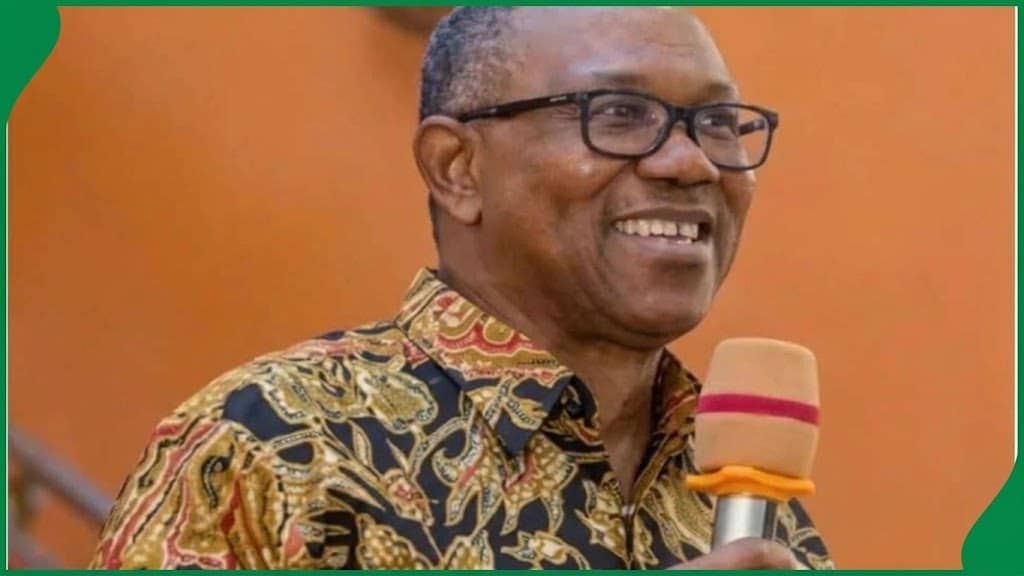
Peter Obi, the presidential candidate for the National Democratic Congress (NDC), has announced that he intends to retain the free-floating exchange rate policy implemented by the Bola Tinubu administration should he be elected president in 2027. The statement was made during a television appearance on Arise TV, where Obi addressed questions regarding his economic platform and potential continuity of current federal policies.
When asked to identify a specific policy from the Tinubu administration that he would maintain if victorious in the 2027 elections, Obi confirmed his decision. He stated, "Yes. One. It’s floated in naira. I’m not going to defend it, but I’m going to put productivity to make it more valuable to the people." This response indicates a strategic focus on enhancing the currency's value through increased economic productivity rather than direct intervention in exchange rates.
Understanding a Free-Floating Currency
A free-floating exchange rate is defined as a system where the currency's value is determined purely by market forces, without central bank intervention aimed at influencing its external value. This means that the supply and demand for the currency in the foreign exchange market dictate its price against other currencies. The Central Bank of Nigeria (CBN) introduced a willing buyer, willing seller model to unify foreign exchange markets on June 14, 2023. This model facilitated the transition to the current free-floating regime under the Tinubu administration, aiming to foster greater transparency and efficiency in the forex market.
Obi’s nuanced position suggests an acceptance of the market-driven mechanism for currency valuation, but a divergence in the approach to strengthening the naira. Instead of direct defense or manipulation of the exchange rate, his emphasis lies on foundational economic growth. This strategy implies a focus on structural reforms and investments that would boost Nigeria's output across various sectors, thereby naturally increasing demand for the naira and enhancing its intrinsic value.
Nigeria's Shift to Market-Determined Exchange Rates
The introduction of the willing buyer, willing seller model by the Central Bank of Nigeria on June 14, 2023, marked a significant pivot in the nation's foreign exchange management. This move was designed to unify the multiple exchange rate windows that had previously characterized Nigeria's forex market. Before this reform, the existence of various official and parallel market rates often led to arbitrage opportunities, distortions in resource allocation, and a lack of transparency, which deterred foreign investment.
The transition to a free-floating system aimed to streamline the forex market, making it more predictable and attractive to investors by allowing market forces to determine the naira's true value. This policy aligns with recommendations from international financial institutions for greater market liberalization. For Obi to commit to retaining this policy signals a potential continuity in this market-oriented approach to currency management, irrespective of a change in administration.
Allegations Regarding Electoral Integrity
In addition to outlining his economic policy preferences, Obi raised significant allegations concerning the conduct of electoral officials during the previous general elections. He expressed skepticism regarding the actions of Independent National Electoral Commission (INEC) Chairman Mahmood Yakubu, specifically alleging that Yakubu worked for his political opposition during the 2023 election cycle.
Obi further stated that Nigerians would not repeat their trust in such arrangements should similar circumstances arise in the 2027 elections. These comments highlight ongoing concerns within the political landscape regarding the impartiality of electoral management bodies, which are crucial for maintaining public confidence in the democratic process. Such allegations, coming from a prominent presidential candidate, underscore the persistent challenges related to electoral transparency and fairness in Nigeria.
Implications for the 2027 Election Cycle
The National Democratic Congress (NDC) remains a significant political force in Nigeria, with Obi positioning himself as a viable alternative to the current ruling party. His comments on Arise TV serve to clarify his policy stance ahead of the 2027 presidential race, while also drawing attention to perceived irregularities in past elections. The allegations against the INEC Chairman are particularly potent, as the integrity of the electoral body is foundational to the legitimacy of any election outcome.
Obi’s statements suggest that electoral reforms and ensuring the independence of INEC will likely be central themes in the lead-up to the next presidential contest. The call for Nigerians to withhold trust in similar arrangements in 2027 indicates a strategic effort to mobilize public sentiment around the need for credible and transparent elections, placing increased scrutiny on INEC's operations and leadership.
Shaping the 2027 Political Discourse
Obi’s early pronouncements on policy continuity and electoral integrity are pivotal in shaping the political discourse for the upcoming 2027 elections. By accepting the free-floating exchange rate but proposing a different method for strengthening the naira, he presents a nuanced economic vision. This approach contrasts with direct currency controls, signaling a commitment to market principles while emphasizing long-term economic fundamentals.
The political landscape leading up to 2027 continues to evolve, with candidates outlining their platforms to address key national issues. Obi’s statements on Arise TV provide clarity on his position regarding one of the most significant economic changes in recent Nigerian history, while simultaneously reigniting discussions about the fairness and transparency of the electoral process. These dual focuses on economic stability through productivity and electoral integrity are likely to be defining features of his campaign.