

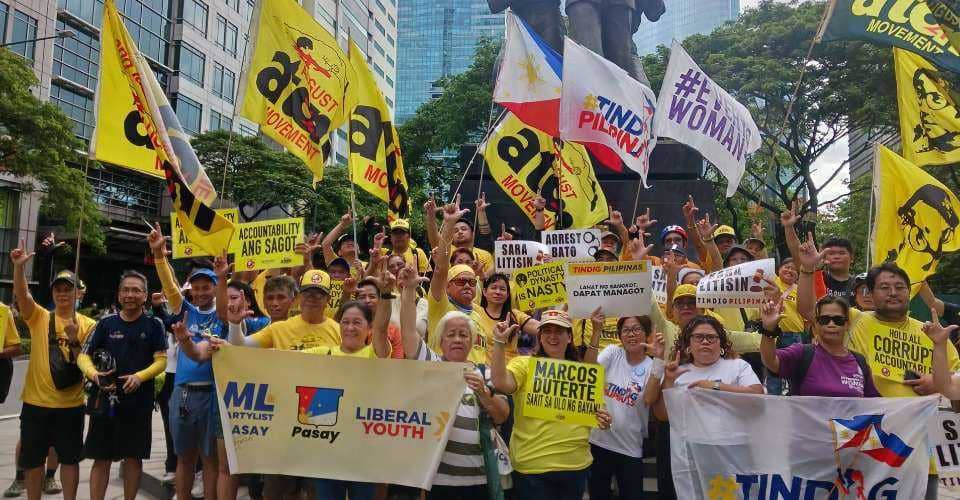

Thousands Gather in Manila for Anti-Graft Rally
Approximately 8,000 people marched through the streets of Manila, the Philippine national capital, on June 28 to protest against what they described as widespread and endemic corruption within the government. The event, identified as the White Ribbon March, brought together various activist groups who expressed a unified rejection of the current administration's leadership.
Participants in the rally directed their criticism at President Ferdinand Marcos Jr. and Vice President Sara Duterte, demanding immediate accountability for alleged graft and abuse of power. Activist groups publicly stated that they reject both the president and the vice president, signaling a broadening scope of political dissent against the country's top officials.
The march served as a focal point for citizens seeking to pressure authorities into addressing systemic issues within the government. Protesters carried banners and chanted slogans condemning the lack of action on corruption cases that have persisted in the Philippines. The demonstration highlighted growing public frustration with the perceived impunity of high-ranking officials.
Demands Include Vice Presidential Impeachment
A central demand of the marchers was the impeachment of Vice President Sara Duterte. Activists argued that her administration had failed to uphold integrity standards and had contributed to the culture of corruption in the country. The call for impeachment was presented as a necessary legal step to remove officials accused of unethical conduct from office.
Protesters also slammed President Marcos for his handling of anti-corruption efforts, alleging that his administration had neglected its duty to root out graft. The marchers called for action against the authorities, urging them to implement stricter measures to prevent future abuses of power. They emphasized that accountability must extend to all levels of government, not just lower-ranking employees.
The August Twenty-One Movement, which documented the event through photography, reported that the crowd remained peaceful throughout the demonstration. Participants included students, professionals, and civil society members who joined forces to voice their concerns about the state of governance in the Philippines. The group noted that the rejection of both Marcos and Duterte was not limited to a single political faction but represented a coalition of diverse groups.
Activist Groups Condemn Administration
Leading activist organizations used the platform of the White Ribbon March to issue formal statements condemning the current leadership. They described the corruption as endemic, meaning it was deeply rooted and pervasive throughout various government institutions. The groups argued that without significant changes in leadership, systemic reform would remain elusive.
The activists pointed to specific instances of alleged misconduct by high-profile officials as evidence of the administration's failure to act. They called for independent investigations into these cases to ensure transparency and justice. The marchers demanded that the government prioritize anti-corruption initiatives over political patronage and personal gain.
Political Implications of the Demonstration
The scale of the White Ribbon March, with nearly 8,000 participants, underscored the depth of public dissatisfaction with the Marcos-Duterte administration. Political analysts noted that such large-scale demonstrations are rare in the Philippines and indicate a significant shift in public opinion. The event marked one of the largest gatherings against the current government in recent years.
Protesters emphasized that their demands were not partisan but rather focused on good governance and the rule of law. They argued that corruption undermines economic development and social welfare, affecting all citizens regardless of their political affiliation. The marchers called for a national dialogue on how to restore trust in public institutions.
The demonstration took place in the heart of Manila, drawing attention from media outlets and international observers. Participants urged the government to listen to the voices of the people and take concrete steps to address the issues raised. They warned that continued inaction could lead to further social unrest and political instability.