

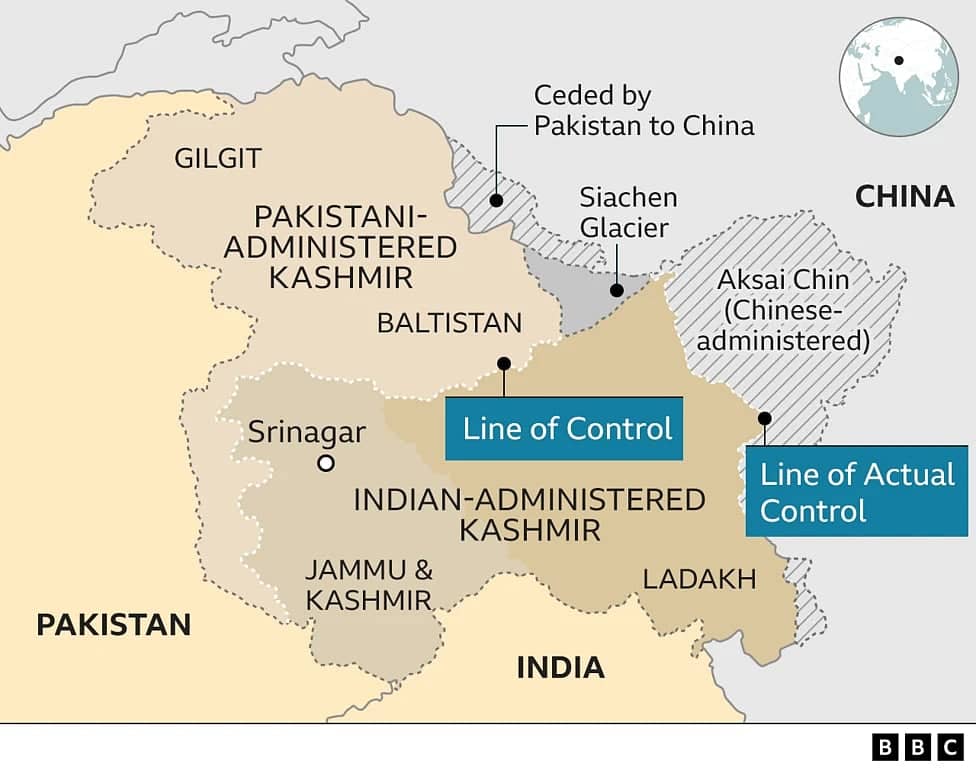

Political Turmoil Engulfs PaJK Elections
MUZAFFARABAD: Pakistan-administered Jammu and Kashmir (PaJK) is grappling with a profound political and constitutional crisis that has cast a long shadow over the upcoming Legislative Assembly elections scheduled for July 27. More than a month of sustained protests, widespread shutter-down strikes, internet suspensions, and heightened security tensions have brought electioneering to a near standstill across the territory.
This extraordinary situation has prompted serious questions about the fundamental prospects for free, fair, and peaceful elections, according to reports from the region. The prolonged unrest has severely disrupted the electoral process, with political parties struggling to reach voters and conduct traditional campaign activities amid curfews, ongoing demonstrations, communication blackouts, and pervasive uncertainty.
Despite the volatile environment, the Election Commission has confirmed that a total of 852 candidates are contesting the elections. Of these, 716 candidates are vying for 33 territorial constituencies within PaJK, while 136 candidates are competing for 12 seats specifically reserved for Jammu and Kashmir refugees currently residing in Pakistan.
However, the electoral process has been profoundly overshadowed by a political confrontation that has gripped the region for over a month. These latest developments have further complicated the election landscape, as security concerns continue to mount alongside persistent civil disobedience movements, raising significant doubts about the state's authority and public trust in the democratic exercise.
Unrest Triggers and Deepening Divisions
Allegations and Demands Fuel Protests
The widespread unrest was initially triggered by a series of specific events, prominently including an alleged assassination attempt and a comprehensive 38-point charter of demands. These demands were issued by the Awami Action Committee, which has emerged as a central stakeholder in the ongoing demonstrations. According to sources citing recent statements from opposition groups, these factors have created significant friction within the administrative framework of Pakistan-administered Jammu and Kashmir.
The Awami Action Committee's charter serves as the focal point for the current wave of protests, outlining a range of grievances regarding governance structures, resource allocation, and civil liberties. Protesters argue that these critical issues remain unaddressed by authorities despite repeated calls for dialogue and resolution, leading to a deepening sense of disenfranchisement among the populace.
Campaigning Stifled by Restrictions
Political parties are facing immense difficulties in organizing traditional campaign activities due to the stringent restrictions imposed on movement and the widespread communication infrastructure shutdowns. The internet suspension, in particular, has severely hampered digital campaigning efforts, which have become an essential tool for voter outreach in modern elections. Concurrently, shutter-down strikes have effectively halted physical gatherings, rallies, and door-to-door canvassing—activities crucial for engaging with voters and disseminating party messages.
Curfews imposed in certain areas have further restricted access for campaign workers, journalists attempting to document the election environment, and even ordinary citizens. The combination of internet blackouts and physical restrictions on assembly has created significant logistical hurdles, preventing standard electoral procedures from functioning as intended under normal circumstances. These impediments raise serious questions about whether all eligible voters can participate freely and fairly without facing undue obstacles related to location-based access controls or communication barriers.
Electoral Integrity Under Scrutiny
Major Party Steps Aside
In a significant development that further complicates the electoral landscape, the Pakistan Tehreek-e-Insaf (PTI) has announced a complete boycott of the elections. The party cited profound concerns over government actions related to political representation and the overall environment. According to their official communications, the PTI leadership stated that participation in polls under the current conditions would not accurately reflect genuine public sentiment or uphold fundamental democratic principles.
This decision by a major political entity comes as other stakeholders and independent observers express serious reservations about the integrity of the electoral process. The sustained civil unrest and the extensive security measures implemented across multiple districts have created an environment where ensuring universal suffrage without coercion or intimidation presents significant challenges, as noted by various election monitoring organizations.
Security Measures and Public Skepticism
The presence of security personnel remains elevated throughout polling stations and sensitive areas, while intelligence agencies are actively monitoring for potential disruptions that could compromise ballot security or voter safety. While intended to maintain order, these heightened security measures, coupled with the ongoing unrest, contribute to an atmosphere of apprehension that could deter voter turnout and participation.
The extended duration of protests and the perceived lack of governmental responsiveness have contributed to a growing skepticism regarding electoral outcomes, according to independent analysts monitoring the situation. Public trust in state institutions appears to be significantly diminished, with citizens questioning whether the upcoming results will accurately represent their preferences given the prevailing conditions, which many perceive as favoring one side over another.
Challenges for Displaced Voters
The 12 seats reserved for Jammu and Kashmir refugees residing in Pakistan present unique challenges, particularly given their status as displaced persons. Campaigning efforts specifically targeting this demographic have been profoundly affected by the communication disruptions and physical restrictions. These impediments severely limit outreach capabilities among refugee communities, which are often scattered across different regions, making it exceptionally difficult to ensure their voices are heard and their electoral rights are fully exercised in the current volatile climate.