

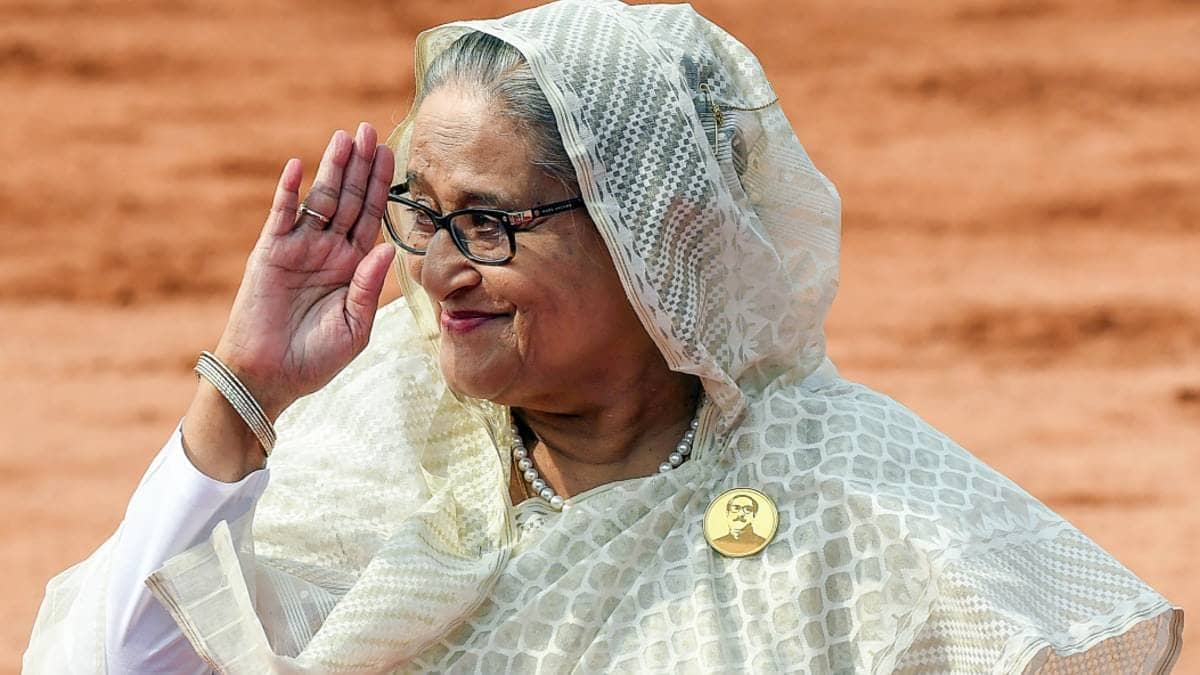

Dhaka’s Shift Toward Multi-Alignment
Bangladesh is moving beyond the political legacy of former Prime Prime Minister Sheikh Hasina, marking a distinct transition in its diplomatic posture. This shift is particularly evident in its foreign policy, which appears to be entering a new phase characterized by multi-alignment. This strategic reorientation is indicated by Dhaka’s active engagement with countries such as Pakistan, China, and Turkey, signaling a deliberate diversification of its international relationships.
The transition into what observers describe as a post-Hasina era has provided the impetus for this re-evaluation of foreign policy. While the specifics of previous administrations are not detailed, the current trajectory suggests a conscious effort to broaden Bangladesh's diplomatic horizons. This new era of multi-alignment for South Asian diplomacy aims to redefine Bangladesh's position in the regional and global geopolitical landscape. By cultivating relationships beyond traditional partners, Dhaka seeks to enhance its strategic autonomy and expand its influence.
The involvement of Pakistan, China, and Turkey in this new phase suggests a deliberate effort to balance external influences and expand economic and strategic ties across different power centers. This approach reflects a pragmatic understanding of contemporary international relations, where no single power can unilaterally dictate global or regional dynamics. For Bangladesh, multi-alignment serves as a mechanism to maximize its national interests by engaging with a diverse array of global actors.
Engagement with Diverse Global Powers
The specific nations identified as central to this diplomatic outreach—Pakistan, China, and Turkey—each represent significant geopolitical actors. Bangladesh is actively seeking closer ties with these countries, tailoring its engagement to leverage their respective strengths and interests. For instance, the engagement with China often involves substantial infrastructure development and economic investment, crucial for Bangladesh's ambitious growth targets. This partnership typically focuses on large-scale projects and trade, cementing China's role as a key economic partner.
Relations with Turkey, on the other hand, may increasingly focus on cultural exchange, defense cooperation, and humanitarian initiatives. Turkey's growing influence in the Islamic world and its strategic location offer Bangladesh opportunities for collaboration in areas distinct from its engagement with China. Meanwhile, engagement with Pakistan, historically complex due to the legacy of regional rivalries and the 1971 Liberation War, indicates a potential softening or recalibration of bilateral dynamics in the post-Hasina period. This outreach suggests a willingness to explore new avenues for cooperation, possibly in trade or regional security, without necessarily erasing past complexities.
This multi-aligned approach allows Dhaka to navigate the complex web of international relations without becoming overly dependent on a single power bloc or ideological alignment. The strategy reflects a broader trend among smaller and middle powers to maximize their agency by cultivating relationships with multiple major powers simultaneously. By maintaining robust connections with Pakistan, China, and Turkey, alongside its existing partnerships, Bangladesh is positioning itself as a pivotal player capable of engaging with diverse geopolitical interests and securing varied benefits.
The Enduring Significance of India
Despite the new directions in diplomatic outreach and the pursuit of multi-alignment, India remains a significant and unavoidable neighbor for Bangladesh. The geographical reality of shared borders, extensive cultural ties, and deep historical connections ensures that bilateral relations with New Delhi will continue to be central to Dhaka’s foreign policy calculations. This enduring importance means that while Bangladesh explores new partnerships, the foundational relationship with India cannot be overlooked or diminished.
The proximity to India necessitates a continuous and careful management of cross-border issues, ranging from water sharing and border security to trade and transit. India's economic and military footprint in South Asia is substantial, making it a critical factor in regional stability and development. Therefore, any shift in Bangladesh’s foreign policy, particularly its engagement with other global powers, must account for New Delhi’s interests and potential responses. The delicate balance required ensures that new alignments do not inadvertently strain existing vital relationships.
Diplomatic engagements with Pakistan, China, and Turkey cannot be viewed in isolation from the broader regional context, which is significantly shaped by Indian influence. Bangladesh's strategic choices are inherently intertwined with its immediate neighborhood. The challenge for Dhaka lies in effectively integrating its evolving international partnerships with the imperative of maintaining stable, productive relations with its largest neighbor. This integration will likely define the practical limits and opportunities of Bangladesh’s diplomatic freedom in the coming years.
Navigating Regional Realities with New Partnerships
The coexistence of multi-alignment strategies with the necessity of engaging India creates a complex and nuanced diplomatic environment for Bangladesh. Dhaka must navigate these dual requirements carefully to ensure that its outreach to other nations does not destabilize its relationship with New Delhi. This involves skillful diplomacy aimed at reassuring India while simultaneously pursuing diversified international engagement.
The future direction of Bangladesh’s foreign policy will thus be shaped by how effectively it can integrate its new international alignments with the enduring realities of its geography and history. The post-Hasina era is therefore characterized by a dual focus: expanding diplomatic horizons through multi-alignment to enhance strategic autonomy and economic opportunities, while acknowledging the inescapable importance of India for regional stability and bilateral cooperation. This approach does not necessarily negate previous policies but rather adds layers to them, reflecting a more nuanced and adaptive understanding of international relations in a multipolar world.
As Bangladesh continues to define its path on the global stage, the interplay between these new alignments and the established regional dynamics will remain the central feature of its foreign policy landscape. The success of this strategy will depend on Dhaka's ability to maintain equilibrium, leveraging its relationships with diverse global powers while preserving the critical ties that anchor its regional position.