

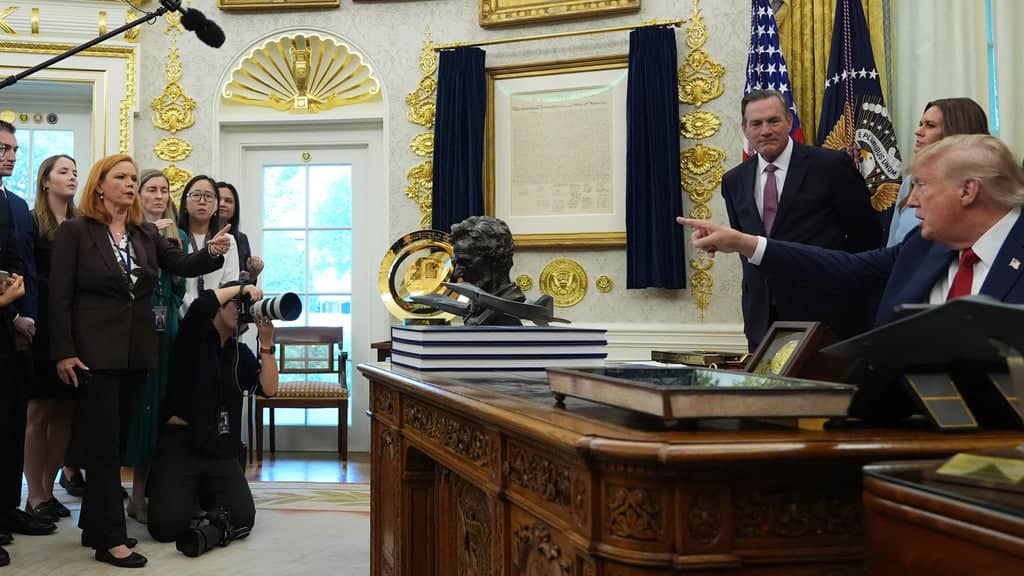

White House Access Revoked for Three News Organizations
President Donald Trump announced on Friday that he is banning CNN, Politico and MS NOW from the White House. The decision marks another instance of the administration restricting access to news organizations based on their coverage.
The announcement was reported by Kathryn Watson, a politics reporter for CBS Minnesota. According to her reporting, the president directed the exclusion of these specific outlets from future press operations within the executive branch campus.
This action represents a continued effort to target media outlets over their reporting practices. The move aligns with previous administrative decisions that have reshaped the relationship between the White House press corps and the Trump administration.
Details of the Restricted Access
The ban applies to CNN, Politico and MS NOW. These organizations will no longer have the standard credentials or permissions required to operate within the White House grounds for reporting purposes.
Trump stated that the decision was made in response to the reporting conducted by these entities. The president did not provide specific examples of articles or broadcasts that triggered the ban in the initial announcement, but cited their general reporting as the basis for the exclusion.
Impact on Press Operations
The revocation of access limits the ability of journalists from these outlets to conduct interviews, attend briefings and report directly from the White House. Correspondents typically rely on this access for real-time updates and exclusive statements from administration officials.
By removing these outlets, the White House reduces the volume of media coverage that can be generated from its premises. This follows a pattern established in previous years where the administration has utilized press pool restrictions and credential revocations to manage media presence.
Broader Context of Media Relations
The ban on CNN, Politico and MS NOW is part of a broader strategy to control media narratives. The Trump administration has frequently criticized major news organizations for perceived bias in their coverage.
Kathryn Watson noted that this latest move targets three distinct outlets with different editorial focuses. CNN is a major cable news network, Politico specializes in political reporting and policy analysis, and MS NOW operates as a digital news platform.
The inclusion of these specific organizations suggests a targeted approach to media management rather than a blanket ban on all press coverage. The administration continues to maintain access for other outlets that align with its preferred narrative or comply with its reporting guidelines.
Precedent for Media Restrictions
This decision follows previous instances where the Trump administration has restricted access to journalists who have criticized the president or published unfavorable stories. The use of White House credentials as a lever of pressure has become a notable feature of modern presidential press relations.
The ban on CNN, Politico and MS NOW reinforces the administration's stance that media coverage must meet certain standards or face consequences. The move is expected to draw further criticism from media advocacy groups and political opponents who view such actions as an attack on press freedom.
Responses and Reactions
As of the time of the announcement, specific responses from the affected news organizations were not detailed in the primary reporting. However, such bans typically prompt immediate statements from the outlets involved regarding their commitment to journalistic integrity.
The decision has been reported by CBS Minnesota as a significant development in the ongoing tension between the Trump administration and the mainstream media. The ban underscores the administration's willingness to take direct action against media entities it perceives as hostile.
Implications for Future Reporting
The exclusion of CNN, Politico and MS NOW from White House access may lead to increased reliance on alternative sources of information for these outlets. Journalists may need to seek statements through other channels, such as press releases or off-camera interviews.
This shift could alter the dynamic of political reporting in Washington, D.C., by creating a divided press corps where some outlets have direct access while others are excluded. The long-term effects on media coverage and public understanding of administration policies remain to be seen.