Full story
Global Strategic Discourse Shifts to Structural Realities
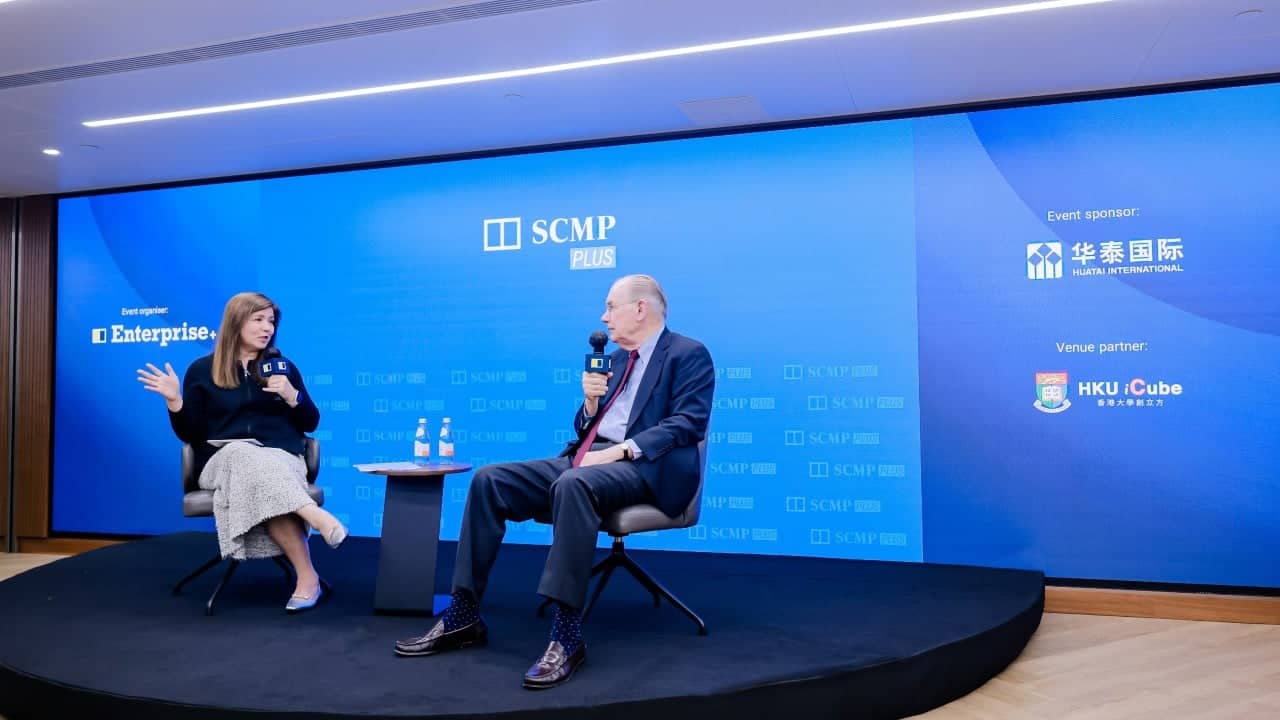
In an era defined by shifting alliances and structural instability, the resurgence of great power politics has returned to the forefront of global strategic discourse. This shift was the central subject of a recent SCMP Plus fireside chat held at the HKU iCube in Hong Kong. The event brought together subscribers and community leaders for a discussion with Professor John Mearsheimer, a political scientist from the University of Chicago.
The gathering served as a platform for examining how international relations are being reshaped by structural forces rather than individual policy choices. According to reports from the South China Morning Post, the event highlighted Hong Kong’s role as a vital nexus for intellectual exchange between global thinkers and regional decision-makers. The session was sponsored by Huatai International.
Professor Mearsheimer provided what was described as a clinical analysis of global power dynamics during the conversation. His remarks focused on the structural realities of great power competition, moving beyond surface-level diplomatic events to examine the underlying mechanics of international conflict and cooperation. The discussion aimed to unpack the theoretical frameworks that explain current geopolitical tensions.
Application of Offensive Realism to Contemporary Geopolitics
Central to the discussion was the application of the theory of offensive realism to contemporary geopolitics. Mearsheimer argued that the international system remains fundamentally a "self"-contained structure, though the specific phrasing in source texts cuts off at this descriptor. The theory posits that states operate in an anarchic system where survival is the primary goal, leading to inevitable competition for power.
This theoretical lens was used to analyze the current state of global relations. By applying offensive realism, Mearsheimer suggested that great powers are driven by structural imperatives rather than mere ideological preferences. This perspective frames international interactions as a continuous struggle for security and dominance, where mistrust is a rational response to the uncertainty of other states' intentions.
The application of this framework allows for a prediction of state behavior based on systemic pressures. Under this view, conflicts are not anomalies but expected outcomes of the anarchic nature of the international system. The discussion emphasized that understanding these structural realities is crucial for policymakers navigating the current geopolitical landscape.
Friction in US-China Relations and Middle Eastern Dynamics
The conversation extended to specific regional and bilateral flashpoints, with particular attention paid to the complexities of the ongoing US-China systemic rivalry. Mearsheimer analyzed the friction inherent in this relationship, suggesting that it is driven by structural factors rather than temporary policy disagreements. The analysis indicated that the rivalry is likely to persist due to the fundamental security dilemmas faced by both nations.
Additionally, the discussion examined global power dynamics and the fallout of Middle Eastern foreign policy. Mearsheimer’s insights into this region highlighted how great power competition influences local conflicts. The commentary suggested that external powers play a significant role in shaping outcomes in the Middle East, often exacerbating existing tensions through their strategic interventions.
The event provided a forum for subscribers and community leaders to engage with these complex topics. Moderated by SCMP Executive Editor Zuraidah Ibrahim, the fireside chat allowed for a detailed exploration of how offensive realism applies to specific contemporary issues. The dialogue covered the implications of these structural forces on regional stability and global order.
Event Logistics and Intellectual Exchange
The SCMP Plus fireside chat took place at the HKU iCube, a venue chosen for its capacity to host high-level intellectual discourse. The event was attended by a distinguished assembly of subscribers and community leaders interested in geopolitical strategy. The format allowed for a direct exchange between the academic perspective offered by Mearsheimer and the practical concerns of regional stakeholders.
The publication date of the coverage was June 26, 2026, with an update on July 15, 2026. The reporting emphasized the significance of such gatherings in fostering understanding among global thinkers and local decision-makers. By bringing together academic theory and regional expertise, the event underscored the importance of intellectual exchange in navigating the complexities of modern international relations.
The sponsorship by Huatai International facilitated the event, reflecting the interest of financial institutions in geopolitical stability. The discussion remained focused on factual analysis of power dynamics, avoiding speculative commentary in favor of structured theoretical application. The outcome was a comprehensive overview of how great power politics continues to define the current global environment.