

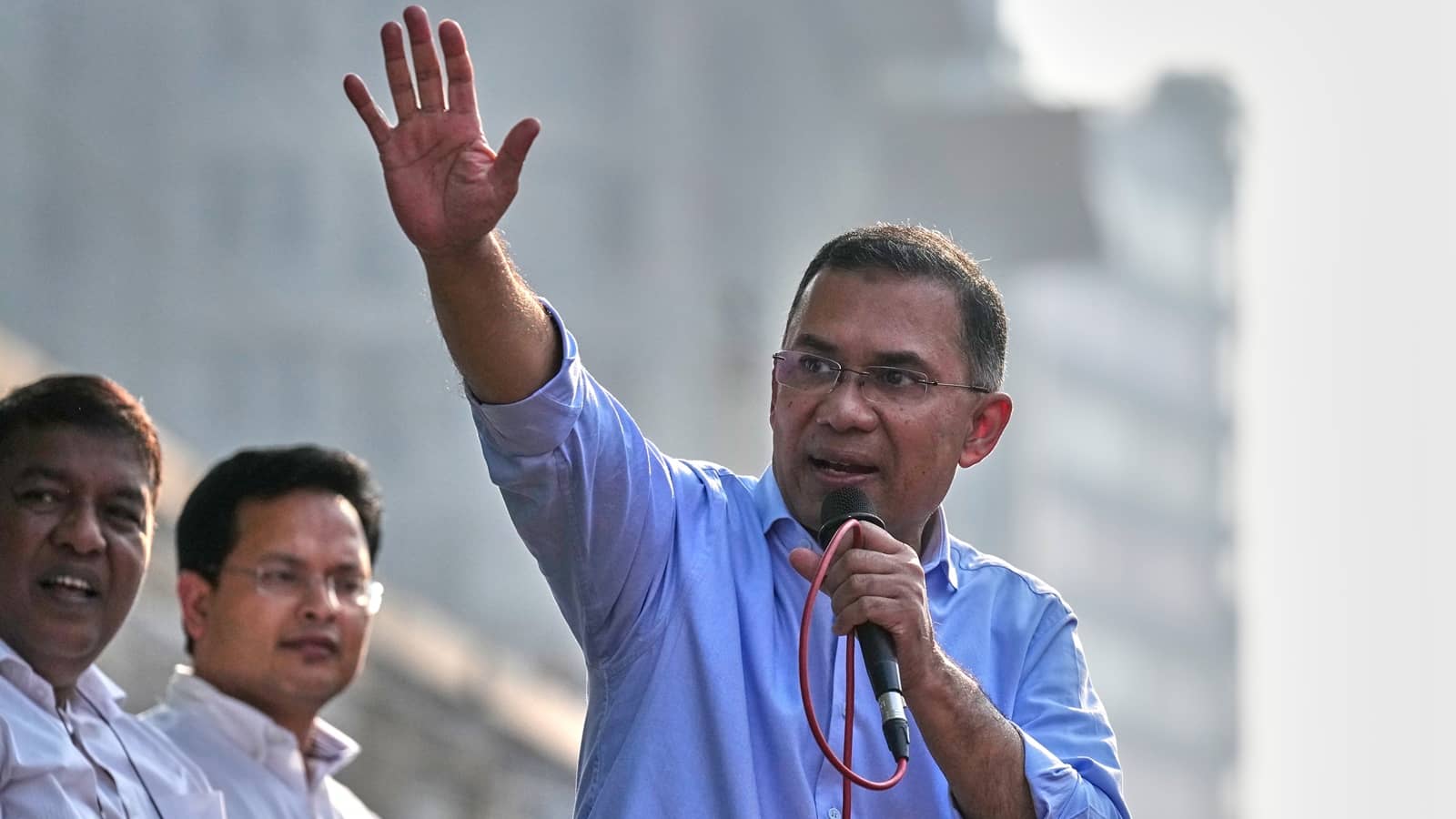

Strategic Prioritization of the Initial Foreign Tour
\nTarique Rahman has structured his initial overseas visit to deliberately bypass India, a move characterized by analysts as part of a calculated strategic diplomatic approach. This decision marks a distinct shift in engagement patterns where traditional neighborly protocols are temporarily set aside for specific geopolitical objectives. The objective of this high-profile tour is explicitly framed within the context of resetting bilateral relations rather than severing ties or escalating conflict between neighboring states.
\nAccording to reports from The Indian Express, the administration views this diplomatic maneuver as a necessary step in recalibrating foreign policy priorities without abandoning long-standing connections. The strategy suggests that immediate engagement with India is not currently on the agenda for this specific tour, potentially indicating that other international partners hold higher priority at this juncture of the government's tenure.
\nThe deliberate choice to skip New Delhi during these opening diplomatic engagements serves multiple functions in the broader foreign policy landscape. It allows Dhaka to explore alternative avenues for economic cooperation and security dialogue without the immediate pressure of resolving entrenched historical disputes with its eastern neighbor. This approach reflects a nuanced understanding that rebuilding trust requires time and specific conditions, which may not be present at the very onset of Rahman's term.
\nObservers note that this diplomatic sequencing does not necessarily imply hostility but rather suggests a methodical pacing to foreign engagement. The government appears to believe that addressing complex bilateral issues with India will require careful preparation before face-to-face summits can yield productive outcomes. By focusing on other regions and nations first, the administration aims to build broader international support structures that could eventually facilitate smoother negotiations with New Delhi.
\n\nEconomic Policy Focus: China-Centric Infrastructure Development
\nA central component of this diplomatic strategy involves a policy focused heavily on infrastructure development through partnerships in China. The research notes identify such a China-focused infrastructure policy as necessary to generate investment while avoiding excessive debt pressure for Bangladesh.
\nAccording to the source context, the administration seeks to leverage Chinese economic engagement to stimulate domestic growth without replicating previous models that resulted in unsustainable fiscal burdens. This distinction is critical; the goal is not merely to attract foreign capital but to do so under terms that ensure long-term financial stability and avoid creating new debt traps for developing infrastructure projects.
\nThe policy framework suggests a careful selection of investment partners where China plays a leading role, yet the conditions are structured differently from earlier agreements. The emphasis on avoiding excessive debt pressure indicates an awareness of previous challenges faced by Bangladesh in managing foreign loans and repayments. This economic caution is likely to influence which countries receive invitations for trade missions or infrastructure collaborations during Rahman's initial tour.
\nBy prioritizing investment that does not strain national finances, the government aims to create a sustainable model for development financing. The approach implies that future contracts with Chinese entities will be vetted rigorously regarding repayment terms and interest rates. This economic prudence is expected to resonate positively with international financial institutions monitoring Bangladesh's sovereign debt levels.
\nThe infrastructure policy also touches upon broader regional connectivity goals, where China's Belt and Road Initiative might intersect with domestic development plans. However, the administration maintains that any such integration must serve Bangladeshi interests primarily while ensuring fiscal responsibility remains paramount in all negotiations.
\n\nRe-engagement Requirements With India
\nThe path toward re-engaging with India requires addressing specific contentious issues before diplomatic momentum can be fully restored. According to the source context, these requirements include water sharing agreements and border concerns, which have historically complicated relations between Dhaka and New Delhi.
\nWater sharing remains a persistent point of contention involving transboundary rivers that flow from Indian territory into Bangladesh. The administration acknowledges that resolving this issue is essential for maintaining stable bilateral relations. Without an equitable framework for managing water resources during both dry and wet seasons, trust between the two nations continues to erode.
\nBorder concerns also feature prominently in discussions regarding future engagement with India. These issues involve demarcation disputes and cross-border movement protocols that have occasionally led to tensions along the shared frontier. The government's approach suggests that these matters must be addressed through technical committees or joint commissions before high-level summits can proceed effectively.
\nPolitical trust between the two nations must be rebuilt without allowing existing disagreements to devolve into hostility, according to stated objectives outlined in research notes on the topic. This delicate balance requires both sides to demonstrate restraint and a willingness to compromise on non-negotiable issues while maintaining firm positions where national security is at stake.
\nThe rebuilding of political trust involves more than mere diplomatic rhetoric; it necessitates concrete actions that signal mutual respect for sovereignty and territorial integrity. Previous incidents involving border skirmishes or water-related disputes have left scars that require time to heal through consistent, cooperative behavior over extended periods.
\n\nBuilding Trust Without Escalation
\nThe administration's strategy emphasizes rebuilding political trust without turning disagreement into hostility. This approach requires careful management of public narratives on both sides of the border to prevent nationalist sentiments from overshadowing pragmatic diplomatic efforts.
\nDiplomatic channels must remain open even when formal summits are delayed due to unresolved issues like water sharing or border demarcation. Continuous low-level dialogue allows for incremental progress that might eventually lead to breakthroughs in more sensitive areas.
\nThe government appears committed to this gradualist approach, recognizing that sudden shifts in policy could destabilize the region rather than improve bilateral relations. By addressing each issue methodically—water first, then borders—the administration hopes to create a foundation for broader cooperation in trade and security sectors later on.
\nOpposing parties or critics might argue that this cautious pace risks losing momentum needed to resolve long-standing disputes quickly. However, the official stance prioritizes stability over speed, believing that sustainable solutions emerge from patient negotiation rather than rushed agreements made under pressure.
"