


Student Outreach Program in Pune Focuses on Women's Issues
Rahul Gandhi arrived in Pune on August 22 for a women-focused edition of the "Chhatron Ki Goonj" program, which serves as part of the Indian National Congress party's broader student outreach campaign. According to reports from News18, the event was designed to engage young women and provide a platform for them to voice their concerns regarding education, equality, and various social issues.
The visit took place against a backdrop of heightened political activity outside the College of Engineering Pune (COEP). Tensions were reported between members of the Akhil Bharatiya Vidyarthi Parishad (ABVP) and the National Students' Union of India (NSUI) in the vicinity of the university. These confrontations added a visible political dimension to Gandhi's presence in the city, highlighting the competitive environment surrounding student politics in Maharashtra.
The "Chhatron Ki Goonj" initiative represents a strategic effort by the Congress party to connect with younger demographics. By centering the Pune event on women's issues, the program aimed to address specific grievances faced by female students. The themes discussed during the outreach included access to education and social equality, aligning with the party's stated goals of empowering young voters.
BJP Announces Largest Organizational Reshuffle in Over a Decade
In Delhi, the Bharatiya Janata Party (BJP) undertook significant structural changes within its leadership. BJP President Nitin Nabin chaired his first meeting with the party's newly appointed national team of 65 members. This assembly marks the largest organizational reshuffle for the BJP in more than ten years.
The new national office-bearers include 51 individuals who are new to these specific roles, signaling a shift in the party's internal composition. During the meeting chaired by Nabin, discussions centered on several key operational priorities. These included strengthening the party's organizational framework, expanding grassroots outreach efforts, and preparing for upcoming Assembly elections across various states.
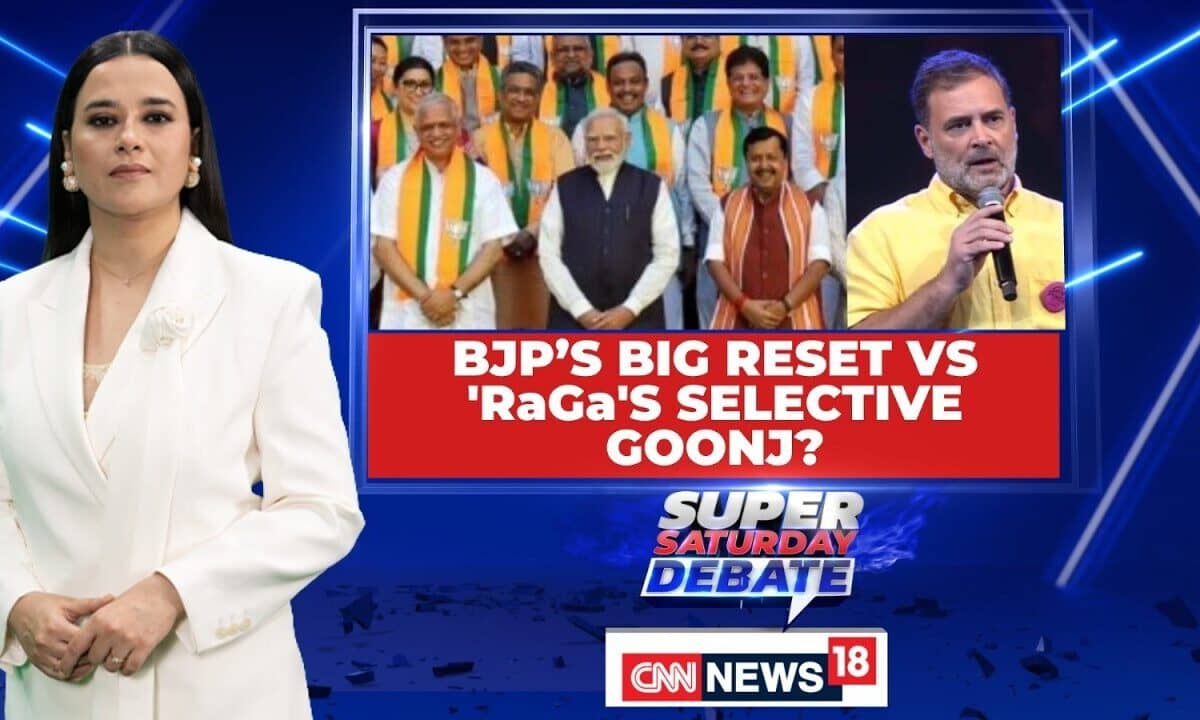
Prime Minister Narendra Modi later met with this newly constituted team at the party headquarters in Delhi. The Prime Minister posed for a group photograph with the newly appointed office-bearers, marking his first interaction with the restructured leadership body. In describing the purpose of these organizational interactions, Modi stated that such meetings provide opportunities for "new ideas and perspectives" that are aimed at strengthening the party's overall structure.
Strategic Shifts Toward Gen Z Demographics
Alongside the structural reshuffle, the BJP is stepping up its outreach efforts toward Generation Z voters. Key figures associated with this initiative include BJP President Nitin Nabin, former Union Minister Smriti Irani, and Vinod Tawde. Their involvement indicates a coordinated effort to integrate younger leadership and messaging strategies within the party's broader electoral framework.
The timing of these developments coincides with a busy political calendar. While Gandhi focused on student engagement in Pune, the BJP concentrated on internal consolidation in Delhi. The juxtaposition of these events has drawn attention from media outlets covering national politics.
Parallel Political Activities Highlight National Focus
The simultaneous activities in Pune and Delhi underscore the divergent strategies employed by major political entities during this period. The Congress party's approach in Pune emphasized direct engagement with specific demographic groups, particularly young women, through its "Chhatron Ki Goonj" platform. Conversely, the BJP's actions in Delhi focused on internal organizational dynamics and leadership alignment.
The presence of tensions between ABVP and NSUI members outside COEP University during Gandhi's visit illustrates the ongoing friction between student wings of opposing political parties. Meanwhile, the BJP's appointment of 51 new faces to its national team suggests a move to refresh its administrative capabilities ahead of critical electoral battles.
Both political developments reflect broader trends in Indian politics regarding youth engagement and organizational adaptation. The Congress party continues to utilize targeted outreach programs to build support among students, while the BJP leverages high-profile leadership meetings to signal unity and strategic direction. These activities are being closely monitored as part of the ongoing political discourse in India.