

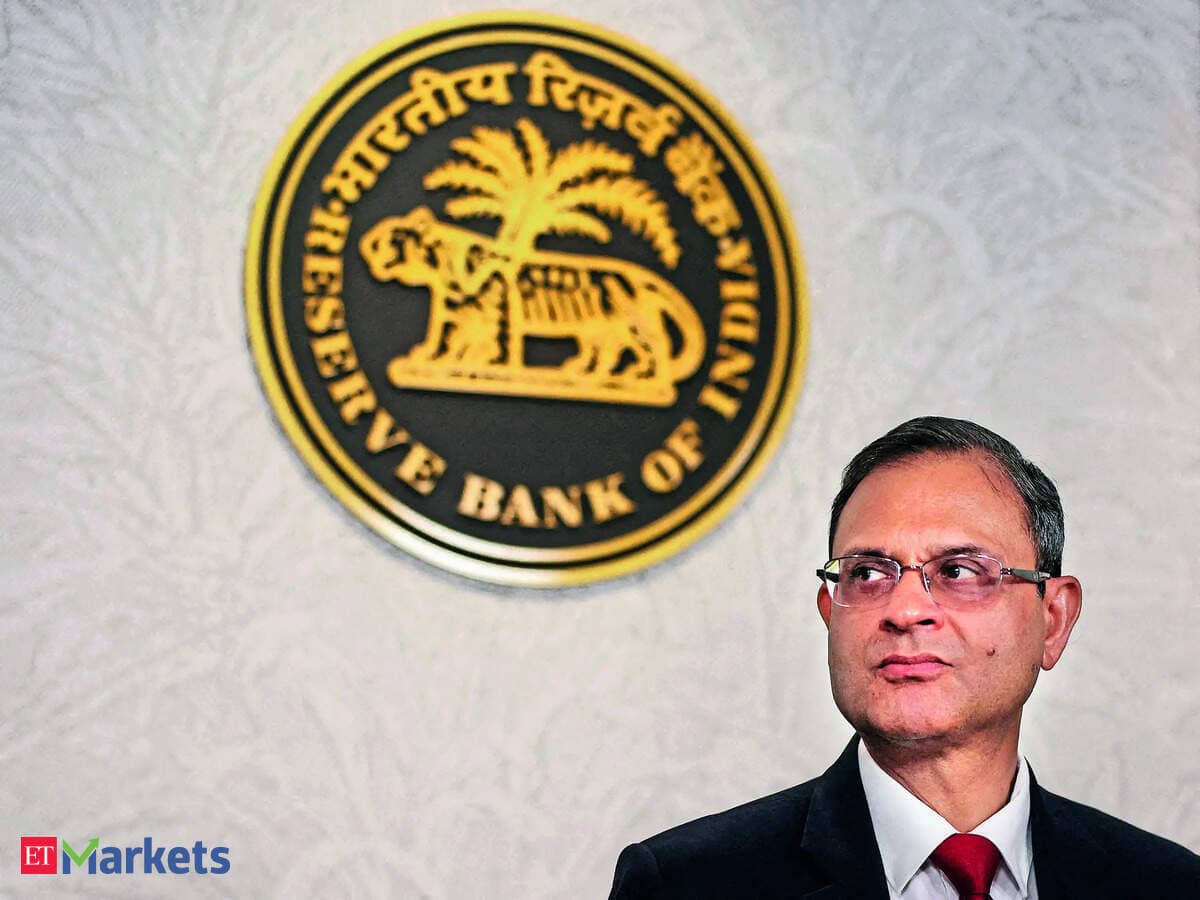

Central bank officials in Mumbai confirmed that Reserve Bank of India Governor Sanjay Malhotra met with the chief executive officers of major banks on a Tuesday. Banking industry sources familiar with the deliberations reported that the meeting focused on several high-priority topics including artificial intelligence, geopolitical complexities, and new expected credit loss guidelines.
Geopolitical Volatility And Energy Market Concerns
A source close to the discussions stated that Governor Malhotra addressed the increasing challenges India and other nations would face due to global geopolitical volatilities. The official noted specifically the potential impact these instabilities could have on energy prices.
The conversation regarding international relations coincided with a sharp rise in oil costs globally. Brent crude futures recently climbed to $83.30 per barrel following recent military escalations involving the United States and Iran. Reports indicate that oil prices surged more than 9% after Washington reimposed a naval blockade on Tehran and launched fresh strikes.
Analysts suggest these developments are increasing the risk of higher energy costs for major oil-importing countries, including India. The Reserve Bank governor acknowledged this specific scenario during his engagement with banking leaders, highlighting how external shocks translate into domestic economic pressures.
Cybersecurity And Digital Currency Promotion
Banking executives confirmed that the meeting also covered critical infrastructure concerns such as cybersecurity threats in a digital-first financial environment. The governor discussed strategies to mitigate cyber risks alongside other technical challenges facing the banking sector.
In addition to security, the Reserve Bank expressed its intent to promote retail foreign exchange and digital currency initiatives. Officials indicated a desire to expand access to these tools among consumers and businesses across the nation.
Bankers participating in the dialogue noted that they did not have significant new points to raise regarding specific regulatory frameworks at this stage of their discussions with central bank leadership.
Customer Service And Operational Efficiency
Customer service was identified as another point on the agenda for Tuesday's talks. Banking leaders and regulator officials discussed ways to improve operational efficiency while maintaining high standards of client interaction during periods of market stress.
The governor also addressed questions regarding foreign currency deposit mobilization through the FCNR (B) scheme. A second source familiar with the meeting explained that most points concerning these flows had already been clarified in frequently asked questions released by regulators previously.
Regarding specific inflows, some banks provided Governor Malhotra with their internal estimates for expected funds coming into the country via the FCNR (B) route and ECB borrowings. However, ET could not ascertain the precise figures shared during these private discussions between bank CEOs and central bank officials.
ECL Guidelines And Financial Outlook
The meeting included a detailed review of new expected credit loss guidelines intended to strengthen financial stability within the banking system. These rules aim to ensure that banks maintain adequate provisions against potential loan defaults in an uncertain economic climate.
Earlier expectations from various banks pointed toward inflows ranging between $30 billion and $50 billion through FCNR (B) and ECB borrowings before a special window closes at the end of September. Despite these projections, volatile global markets have introduced uncertainty into financial planning for Indian institutions.
The finance minister had previously spoken directly to banks regarding efforts to enhance outreach for greater mobilization of foreign currency deposits. Governor Malhotra mentioned during Tuesday's talks that he felt there was little additional guidance needed on the FCNR (B) front since these directives were already in place.
Market Context And Banking Sector Challenges
The banking sector faces a complex environment characterized by rising energy costs and shifting geopolitical dynamics. High prices demanded by foreign banks abroad are complicating efforts to secure international funding for Indian borrowers.
Banking industry executives aware of the talks told ET that the discussions reflected broader concerns about how global instability affects local financial health. The Reserve Bank continues to monitor these factors closely as it formulates policy responses.