

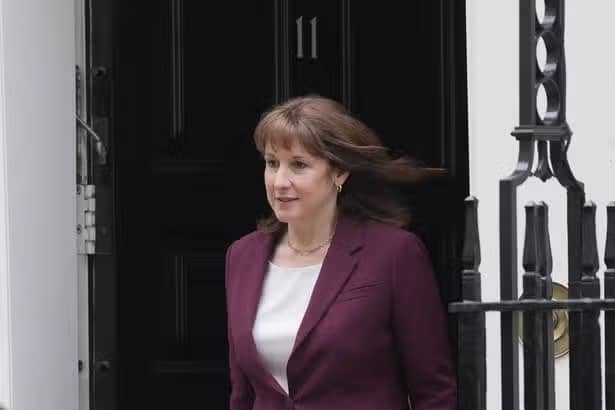

Reeves Endorses Rethinking EU Ties
Former Chancellor Rachel Reeves has publicly backed the idea of the United Kingdom rejoining the European Union, marking a significant statement from a senior political figure regarding the country's post-Brexit trajectory. In her assessment, Reeves argued that the decision to leave the bloc has had detrimental effects on the nation's economic and security standing.
Reeves explicitly criticized the outcome of Brexit, stating that it made the UK "poorer, weaker and less secure." Her comments align with a growing internal debate within British politics about the long-term consequences of the country's departure from the EU. While she did not outline a specific timeline or mechanism for rejoining, her endorsement signals a shift in the tone of political discourse surrounding the issue.
The former Chancellor also expressed support for Greater Manchester Mayor Andy Burnham’s push for a rethink on the UK's relationship with the European Union. By backing Burnham’s efforts, Reeves has lent her weight to calls for a more critical examination of current trade and diplomatic arrangements with European neighbors.
Challenges for Pro-EU Advocates
Despite her clear criticism of Brexit's impact, Reeves cautioned that supporters of rejoining the EU face a difficult political landscape. She noted that advocates for closer ties or full membership need to "win the argument" before any substantial policy changes can be realized.
This acknowledgment highlights the persistent public skepticism regarding European integration in the UK following the 2016 referendum. Reeves’ remarks suggest that while the government may recognize the economic and strategic costs of Brexit, overcoming the political inertia and public opinion against rejoining remains a primary obstacle.
Her comments reflect a pragmatic approach to the issue, recognizing that policy shifts must be accompanied by a successful persuasive campaign aimed at the electorate. The former Chancellor’s position underscores the complexity of reversing or significantly altering the UK's relationship with the EU in the current political climate.