


Report Suggests Chinese Influence on Pakistan's US-Iran Mediation Efforts
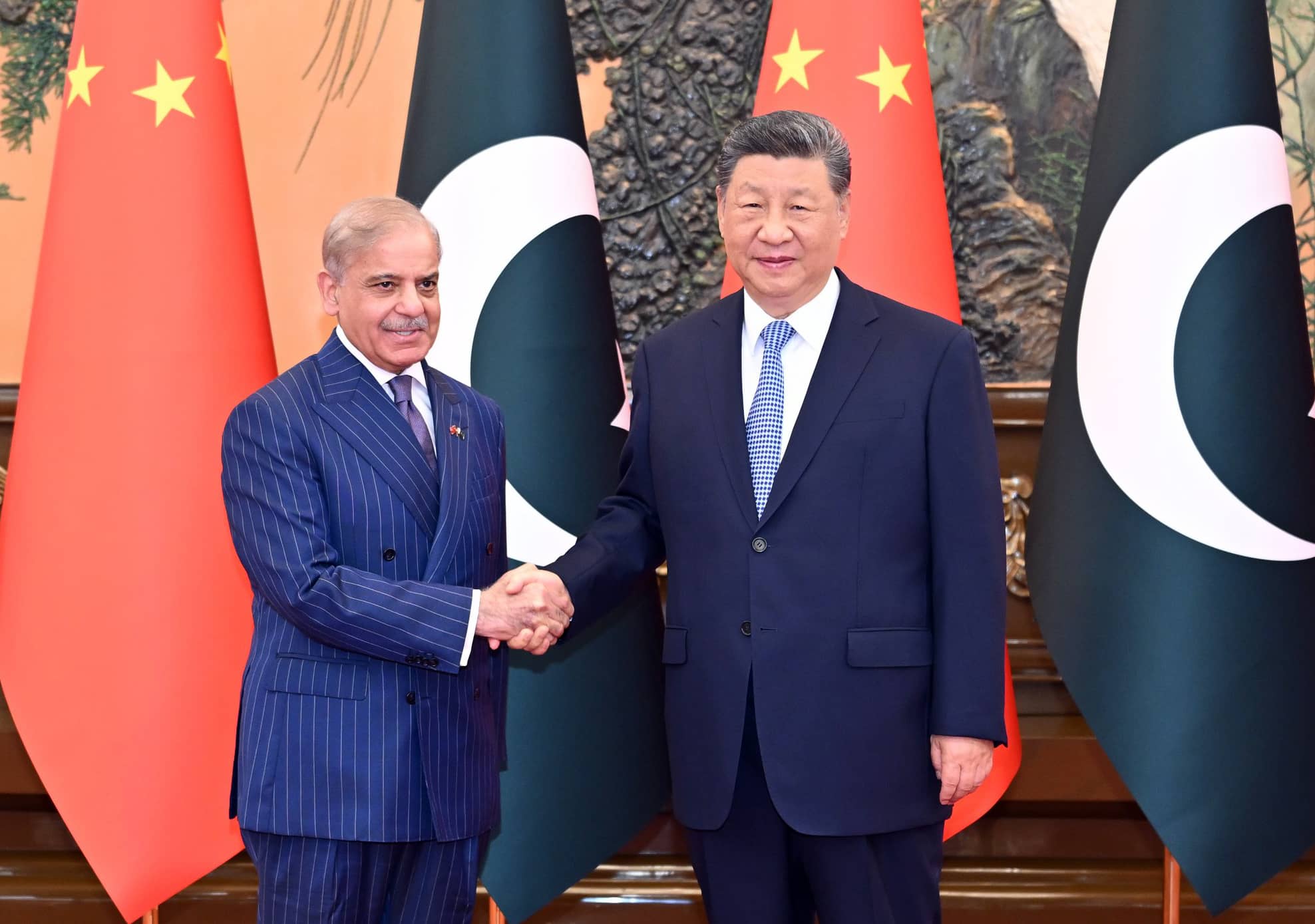
A recent analysis has indicated that Pakistan's role as a potential mediator between the United States and Iran is closely tied to the strategic influence of China. The report suggests that Pakistan is not operating from a neutral stance in these diplomatic endeavors but rather within what is described as China’s strategic orbit.
Sergio Restelli, an Italian political advisor, author, and geopolitical expert, authored the analysis for the ‘Times of Israel’. According to Restelli, while Islamabad may present itself as a mediator between Tehran and Washington amidst the ongoing situation in West Asia, the underlying strategic context of its role is defined by Chinese influence.
Pakistan's Stated Diplomatic Objectives
Restelli’s report highlights that Pakistan currently portrays itself as a broker in the West Asian context, aiming to achieve several diplomatic objectives. These objectives include appearing useful to Washington, credible to Tehran, acceptable to the Gulf states, and responsible to the wider Muslim world. This multi-faceted approach seeks to position Pakistan as a significant diplomatic actor in a complex regional environment.
The report suggests that Pakistan's desire to appear useful to Washington stems from a broader interest in maintaining diplomatic channels and potentially securing support or understanding from the United States. Simultaneously, its aim to be credible to Tehran reflects a need to be seen as a trustworthy interlocutor by Iran, a key regional player. Furthermore, the objective of being acceptable to the Gulf states indicates an effort to navigate the intricate geopolitical dynamics of the region without alienating important partners. Finally, presenting itself as responsible to the wider Muslim world underscores a desire to uphold its standing and influence within the Islamic community, particularly concerning regional stability and conflict resolution.
Historical Context and Strategic Alignment with China
The analysis posits that Pakistan's mediation efforts should be viewed through a historical lens, tracing back to its long-standing relationship with China. Restelli specifically references the Karakoram range, particularly the Shaksgam Valley in Pakistan-occupied Kashmir, which Pakistan ceded to China. This historical event is presented as an example of the deep strategic ties that have characterized the relationship between the two nations over decades, demonstrating a willingness to align strategically with Beijing.
The report emphasizes that the bond between China and Pakistan is often described using terms that signify profound strategic alignment, such as "all-weather friendship" and "iron brotherhood." These phrases, while sounding emotional or poetic, are interpreted by Restelli as indicative of a deeper, more pragmatic strategic bargain. The seventy-fifth anniversary of diplomatic relations between China and Pakistan was noted in the report as a moment where these traditional expressions of camaraderie were reiterated, underscoring the enduring nature of their strategic partnership. This enduring friendship, according to the analysis, suggests a consistent pattern of cooperation and shared strategic interests that extends to contemporary diplomatic engagements.
Strategic Reliance and Non-Neutrality
According to Restelli, Pakistan's engagement in mediation is not primarily driven by a neutral position but by its increasing reliance on China for its strategic survival. The expert detailed that Pakistan's loyalty is fundamentally aligned with China because its long-term strategic viability and security are seen to be progressively dependent on Beijing. This dependency, the report suggests, shapes Islamabad's foreign policy decisions and its approach to international relations, particularly in sensitive geopolitical contexts like the US-Iran dynamic.
The analysis further suggests that this strategic dependence means any mediation efforts undertaken by Pakistan would ultimately reflect the interests of Beijing rather than an independent, neutral stance. Restelli states that while Pakistan aims to project an image of a responsible and credible mediator to various international actors, the underlying reality is that its actions are influenced by its deep strategic ties and reliance on China. This implies that the outcomes of such mediation, from the perspective of the report, would likely serve China's broader geopolitical objectives in the region, rather than solely aiming for a universally beneficial resolution between the United States and Iran.