

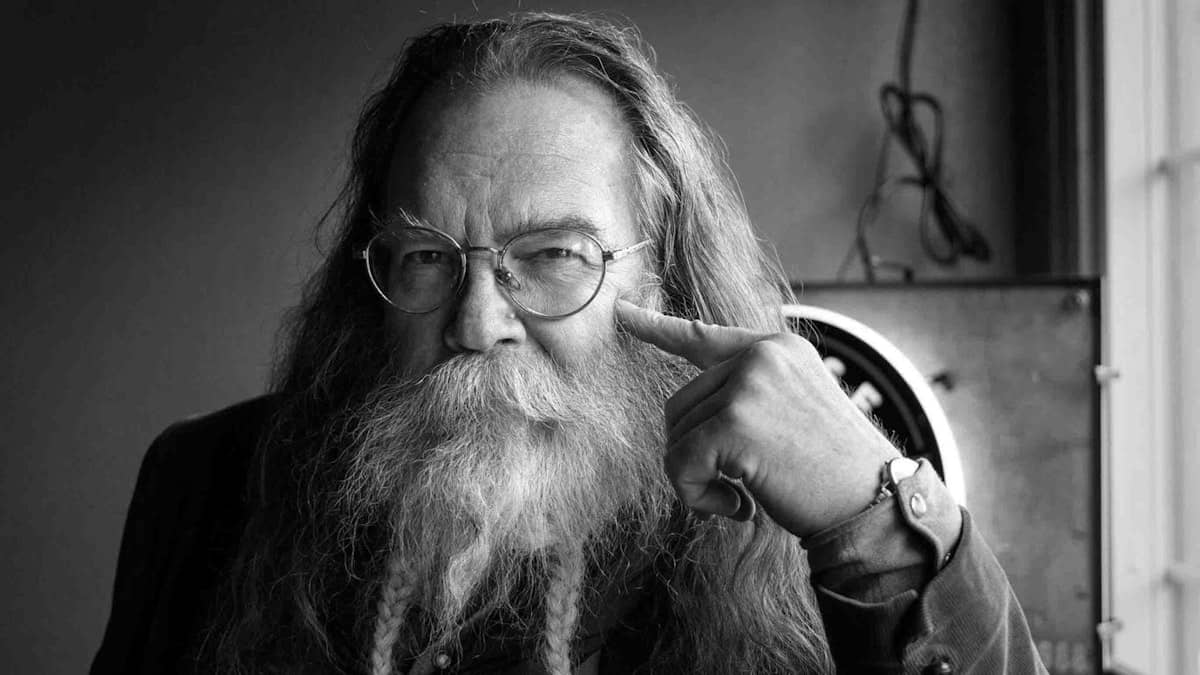

A Comparison of Political Landscapes Across Decades
Columnist Rod Miller has published a piece examining the contemporary crowded and contentious nature of Republican primary contests for the U.S. House. In his analysis, Miller suggests that these current developments bear a resemblance to political events from 1986.
The article notes that while the modern political environment differs substantially from conditions existing in 1986, one specific element remains constant according to the author: voter fatigue.
Miller writes directly about this observation. He states, "Today's crowded and cantankerous GOP primary street-fight for the U.S. House reminds me a lot of 1986." The columnist further clarifies his stance on the similarities and differences between the eras by stating, "Make no mistake, the political landscape is waaaay different than '86. But one thing has not changed — voters' fatigue."
The publication date for this column was July 24, 2026.
Historical Context of the 1986 Gubernatorial Race
To understand the historical parallel Miller draws, it is necessary to examine the specific circumstances surrounding the Wyoming gubernatorial election in 1986. At that time, Democrat Ed Herschler had occupied the governor's office for an unprecedented three terms.
This tenure created a situation described by Miller as a "12 year backlog of Republican lust" regarding Wyoming's highest elected office. The dynamic shifted when Herschler announced his decision not to seek another term in that specific election cycle.
Miller describes the moment this announcement was made, noting that "the logjam burst." This event precipitated a surge of interest from within the Republican party seeking to reclaim control of the governor's chair. The primary ballot for 1986 subsequently featured what Miller characterizes as a field crowded with heavy-hitters.
According to the text, these candidates were all intent on reclaiming the office for their party. The resulting lineup was described by the columnist as resembling "a Who's Who of GOP luminaries" that had been waiting in the wings for more than a decade before assuming power.
The Field of Candidates and Party Figures
Miller details the specific individuals who comprised this formidable line-up. The candidates listed on the primary ballot included Pete Simpson, Bill Budd, Dave Nicholas, Russ Donley, Fred Schroeder, John Johnson, and Jim Bace.
The article emphasizes that this group represented a significant cross-section of Republican leadership at the time. Miller notes that among these individuals were legislators who held office within the state legislature.
Former Speaker of the House also appeared on the ballot during this election cycle according to the source text. The field included John Johnson, described in the article as U.S Senator Al Simpson's brother.
The list further included a former Speaker of the House and Jim Bace, identified specifically as the state GOP chairman at that time. Miller refers to these individuals collectively as "Heavy-hitters" within his column.
Personal Reflections on Historical Memory
In discussing how readers might perceive this historical data, Miller includes a personal reflection regarding age and memory.
The columnist writes, "Anyone like me, with a few years under their belt, will remember these names." This statement suggests that the individuals listed above are part of living political history for those who have been active in Wyoming politics since that era.
Miller concludes this section by stating he remembers both the names and the context surrounding them. The text indicates an expectation or implication regarding how younger readers might view these figures compared to older observers.
The Enduring Nature of Political Fatigue
A central theme in Miller's column is the persistence of voter fatigue across different election cycles despite changing circumstances.
While acknowledging that the political landscape has changed significantly since 1986, Miller insists on one continuity. He identifies this factor as "voters' fatigue." The columnist presents this not merely as a temporary sentiment but as an enduring characteristic of the electorate.
The article does not elaborate further on specific instances or metrics defining what constitutes voter fatigue in either era beyond the author's direct assertion.
Miller positions his observation that "one thing has not changed" against the backdrop of the crowded primary field for both the 1986 gubernatorial race and current U.S. House contests. The comparison relies on the density of candidates and the intensity of competition as shared elements between the two periods.