


Riyadh and Ansar Allah Enter New Phase of Escalation
Saudi Arabia and the Houthi movement, also known as Ansar Allah, are continuing to escalate their attacks against each other, according to an analysis published on November 10, 2026. The intensification of hostilities has drawn comparisons to previous phases of the conflict in Yemen.
Writing for The National Interest, Alexander Langlois stated that this recent escalation is likely to lead to the same impasse experienced during the earlier stages of Saudi Arabia’s intervention in the country’s civil war. The publication noted that both parties are engaged in a cycle of aggression that mirrors past military engagements.
Langlois argued that both Saudi Arabia and the Houthis will eventually come to recognize that they cannot achieve their military and political objectives through continued combat. The analysis suggests that the current trajectory of violence may not yield strategic gains for either side, echoing the outcomes of previous interventions in the region.
Operational Capacity Displayed in Turkey
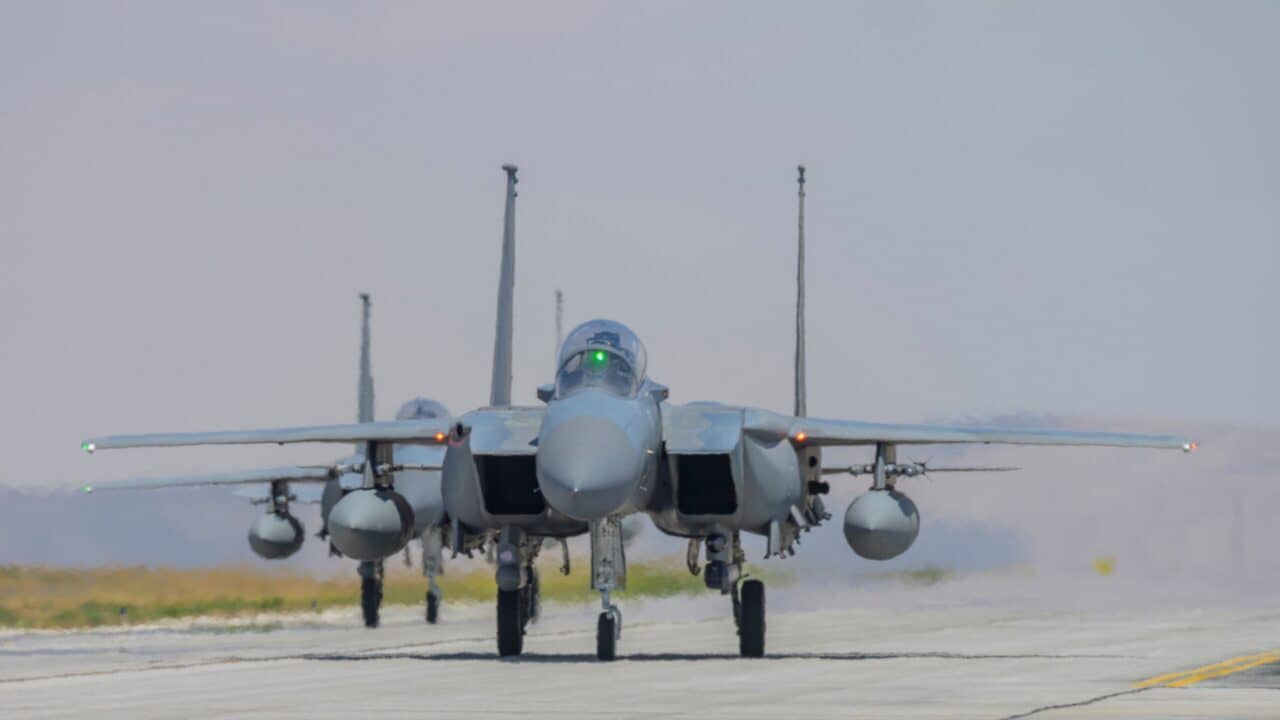
Images associated with reports on regional military activity have shown Saudi Arabian Air Force fighter jets gathering for the Anatolian Eagle military exercise. The exercise took place on July 2, 2025, in Konya, Turkey.
The presence of these aircraft at the international drill was documented by Shutterstock contributor Bogac Erkan. The footage highlights the operational capacity of the Saudi air force, which has been a central component of its foreign policy and defense strategy in the Middle East.
Patterns of Strategic Stalemate
The reference to "earlier stages" of intervention points to a prolonged period of conflict in Yemen. During those earlier phases, Saudi military efforts faced significant challenges in achieving decisive political outcomes despite substantial resource deployment.
Langlois’s assessment implies that the current escalation follows a pattern where initial military momentum fails to translate into long-term strategic success. The analyst posits that the limitations observed in previous rounds of fighting are likely to reemerge as the conflict continues.