


Senate Confirmation Ends Leadership Vacancy
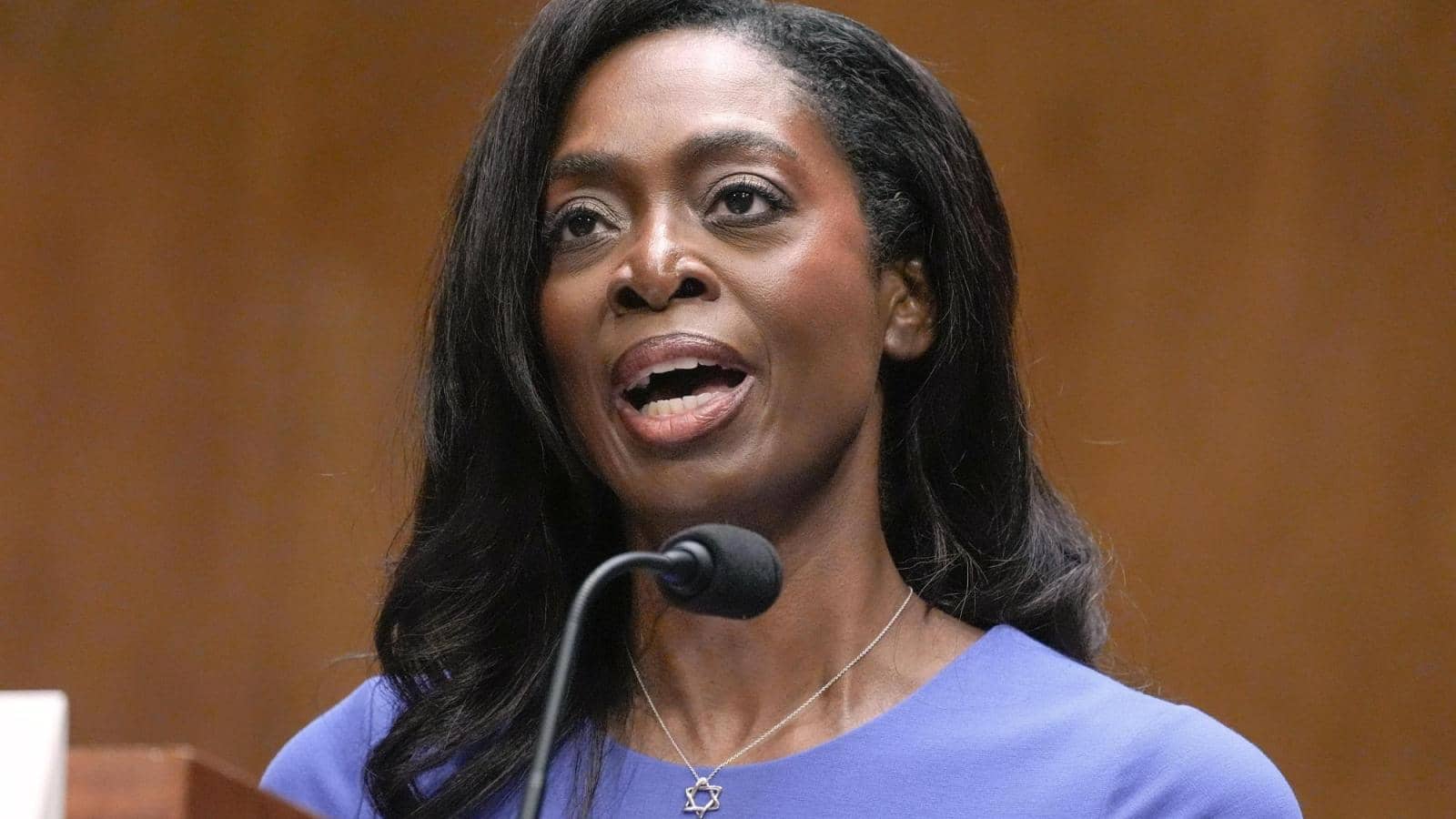
The United States Senate confirmed Dr. Erica Schwartz as the director of the Centers for Disease Control and Prevention (CDC), establishing new leadership for the federal public health agency. The confirmation resolves a period of uncertainty regarding the top position at the CDC, which has faced significant operational challenges in recent months.
Dr. Schwartz’s appointment was finalized following a review process by the Senate Health, Education, Labor, and Pensions (HELP) committee. During the confirmation hearing held on Capitol Hill, Dr. Schwartz testified before senators regarding her qualifications and vision for the agency. The hearing took place on Wednesday, July 15, 2026, in Washington, D.C., where she addressed questions from committee members about the CDC’s current priorities and structural needs.
The Senate’s decision to confirm Dr. Schwartz brings a confirmed name to the helm of the CDC, an institution that has been navigating complex political and administrative landscapes. The agency’s recent history has been marked by shifts in direction and internal instability, particularly following changes in the executive branch.
Agency Turmoil Since Political Transition
The confirmation of Dr. Schwartz arrives at a critical juncture for the CDC, which has reportedly been in turmoil since former President Donald Trump returned to office last year. The period of instability has affected the agency’s operations and its relationship with federal leadership.
According to reporting from The News Herald, the CDC has experienced significant disruption under the current administration. The agency, which serves as the nation's premier public health institute, has faced pressure to align its scientific guidance with the policy priorities of the White House. This alignment process has led to friction within the organization and raised questions among public health experts about the independence of scientific decision-making.
The turmoil described by sources indicates a break from previous operational norms. Under prior administrations, the CDC had maintained a degree of separation between political directives and scientific recommendations. The current environment, however, has seen increased oversight and intervention from political appointees in Washington.
Shifts in Agency Direction
The period of turmoil since President Trump’s return to office has coincided with broader changes in federal health policy. Critics of the administration have alleged that the CDC’s scientific integrity has been compromised by political interference. These allegations suggest that data interpretation and public health messaging have been altered to fit a specific political narrative.
Supporters of the new leadership, including those who backed Dr. Schwartz’s nomination, argue that her confirmation is necessary to restore order to the agency. They contend that a clear chain of command and alignment with the president’s agenda are essential for effective public health management. The administration has stated that it intends to streamline CDC operations and reduce bureaucratic delays.
Implications for Public Health Policy
Dr. Schwartz’s role as the new director places her at the center of ongoing debates about the future of federal public health infrastructure. As the head of the CDC, she will be responsible for overseeing disease prevention, health promotion, and emergency response efforts across the United States.
The agency’s current challenges include maintaining public trust during health crises and managing resources efficiently under a new political regime. The confirmation process highlighted the Senate’s interest in ensuring that the CDC remains capable of fulfilling its mission despite external pressures.
Public health organizations have watched the confirmation closely, noting the importance of stable leadership for long-term health initiatives. Many experts emphasize that the CDC’s effectiveness depends on its ability to provide unbiased, evidence-based recommendations to policymakers and the public.
The News Herald reported that the agency has been struggling with these dual pressures since the previous year. The turmoil has affected staff morale and operational continuity, leading to calls for reform from within the scientific community.
Next Steps for the CDC
With Dr. Schwartz now confirmed, the CDC will begin a transition period under her leadership. The agency will need to address immediate operational gaps while also navigating the broader political context established by the current administration.
Senators who voted in favor of the confirmation expressed confidence that Dr. Schwartz would bring stability to the organization. Those who opposed the nomination cited concerns about the politicization of science and the potential erosion of public health safeguards.
The confirmation marks a definitive end to the leadership vacuum at the CDC, but the agency’s path forward remains uncertain. The coming months will test whether Dr. Schwartz can balance political expectations with scientific rigor, a challenge that has defined the agency’s recent history.